





📝 Summary
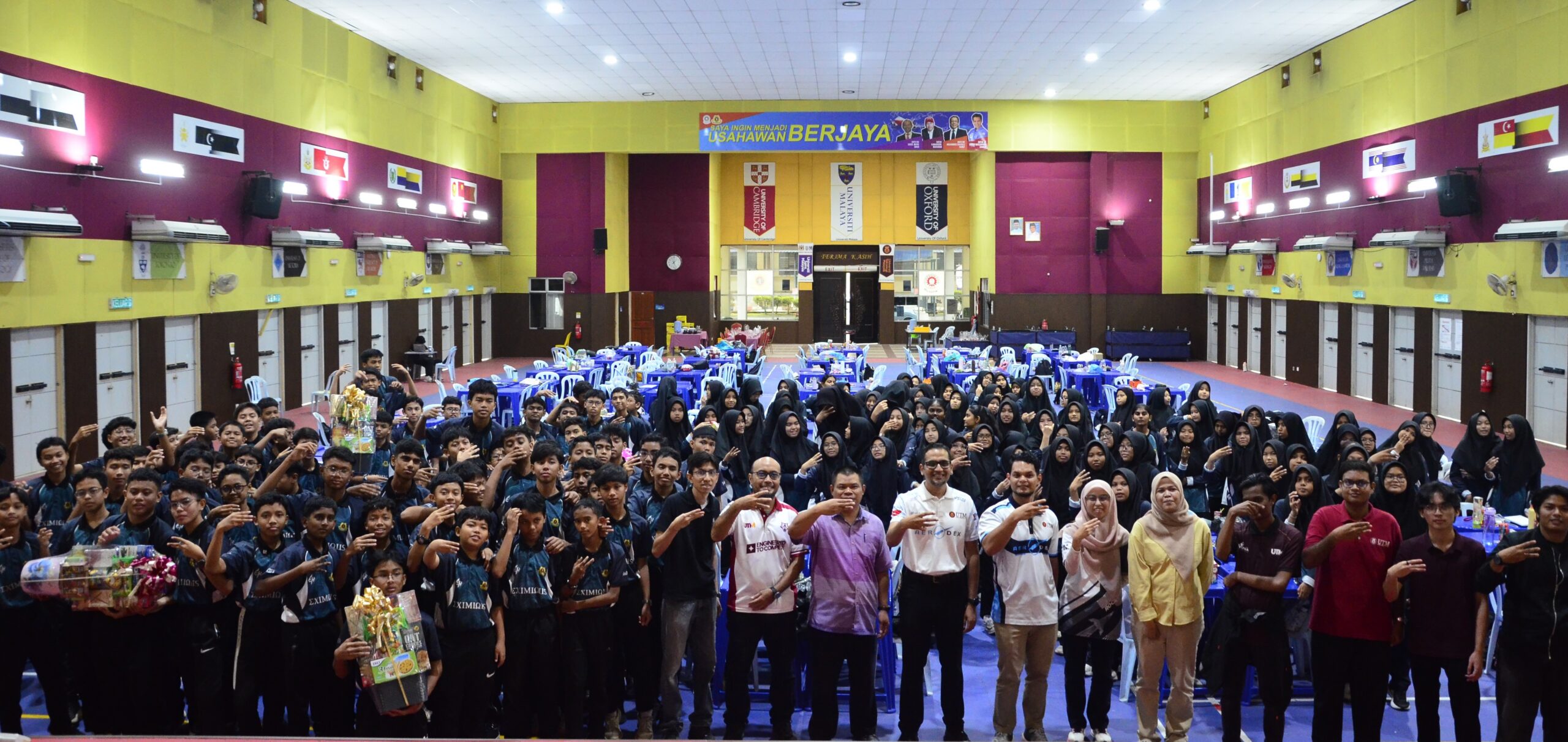
Universiti Teknologi Malaysia (UTM) and Maktab Rendah Sains MARA (MRSM) Johor Bahru successfully concluded their STEM initiative, “Project Artemis: SMART AERO-LANDER,” with a final drop test. The program integrated university-level aerospace concepts into school-level Project-Based Learning, providing students with a hands-on approach to complex scientific principles. The initiative engaged approximately 170 students and showcased a dynamic knowledge transfer between multiple levels of education.
JOHOR BAHRU, Nov 15 – Culminating in a highly anticipated final drop test on Sunday, 15 November 2026, Universiti Teknologi Malaysia (UTM) and Maktab Rendah Sains MARA (MRSM) Johor Bahru successfully concluded their weeks-long immersive Science, Technology, Engineering and Mathematics (STEM) initiative, “Project Artemis: SMART AERO-LANDER.”
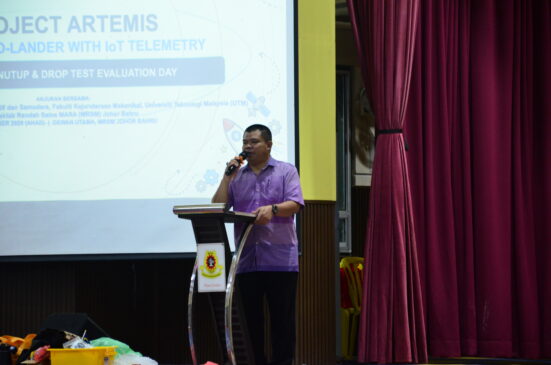
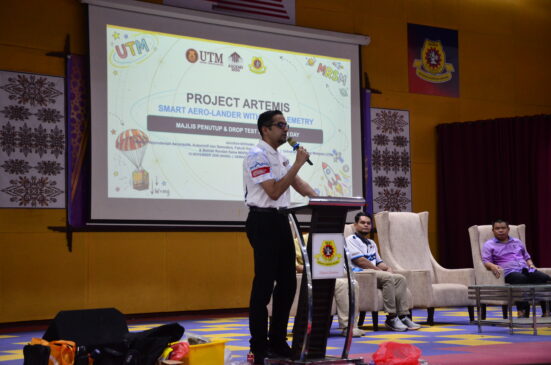
The program, which commenced in late October, was officially closed by the Head of the Aeronautical, Automotive and Ocean Engineering Department, UTM, Assoc. Prof. Dr. Haris Ahmad Israr Ahmad, with special attendance and remarks from the Deputy Principal of Academic Excellence of MRSM Johor Bahru, Asnor Senon, who delivered the event’s Welcoming Speech.
Serving as a major highlight of MRSM Johor Bahru’s Physics Week, the initiative seamlessly integrated university-level aerospace concepts into school-level Project-Based Learning (PBL), providing students with a hands-on approach to complex scientific principles.
Engaging approximately 170 second-year students currently undertaking the International General Certificate of Secondary Education (IGCSE) syllabus, the project challenged participants to transform theoretical physics into applied engineering over the course of three weeks. Students explored how principles like Motion, Forces, Energy, aerodynamics, and stability directly impact the safety and comfort of an aero-lander.
During the finale’s drop test, an Internet of Things (IoT) system was utilised to transmit real-time telemetry data—including lander attitude, estimated altitude loss, speed, and G-force. This technological integration allowed students to visually and quantitatively connect their structural design choices with real-world landing performance.
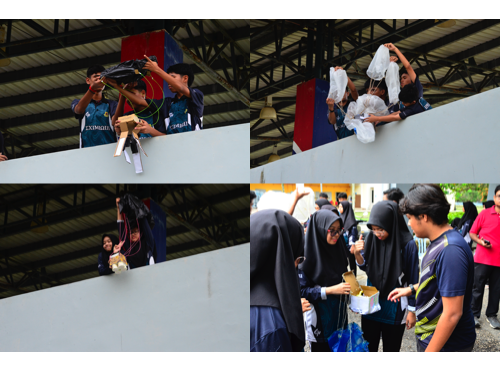
This dynamic knowledge transfer was a testament to the synergistic collaboration across multiple levels of education. The initiative was spearheaded by the UTM team, led by Program Manager Dr. Mohd Badrul Salleh and Coordinator Dr. Mastura Ab Wahid, and was crucially supported by a dedicated group of eight UTM student mentors comprising the Aeronautical Engineering undergraduates.
This university contingent worked closely alongside the committed MRSM educator team, featuring Coordinator Fauziati Ab Wahab (Physics Excellent Teacher) and committee members Normazida Ab Lah and Gwen Myra Darmawan.
Together, this multi-tiered facilitation crafted a holistic learning environment, allowing the young university mentors to inspire the school students while bridging the gap between classroom theories and real-world applications.
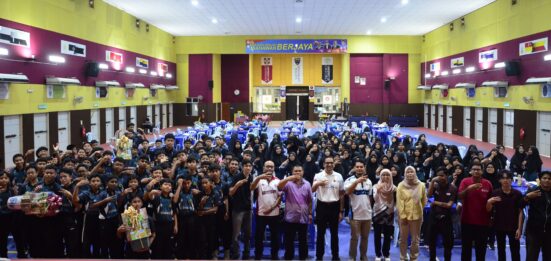
“Project Artemis” strongly resonates with the Humanity & Well-being Pillar of the UTM ASCEND 2030 strategic plan, showcasing the university’s unwavering commitment to empowering society through the strategic transfer of knowledge, technology, and expertise to the wider community. Moving forward, UTM hopes that this highly impactful collaboration with MRSM JB will continue to thrive, fostering a new generation of holistic, future-ready students who are fully equipped to drive innovation in STEM fields.
