


📝 Summary
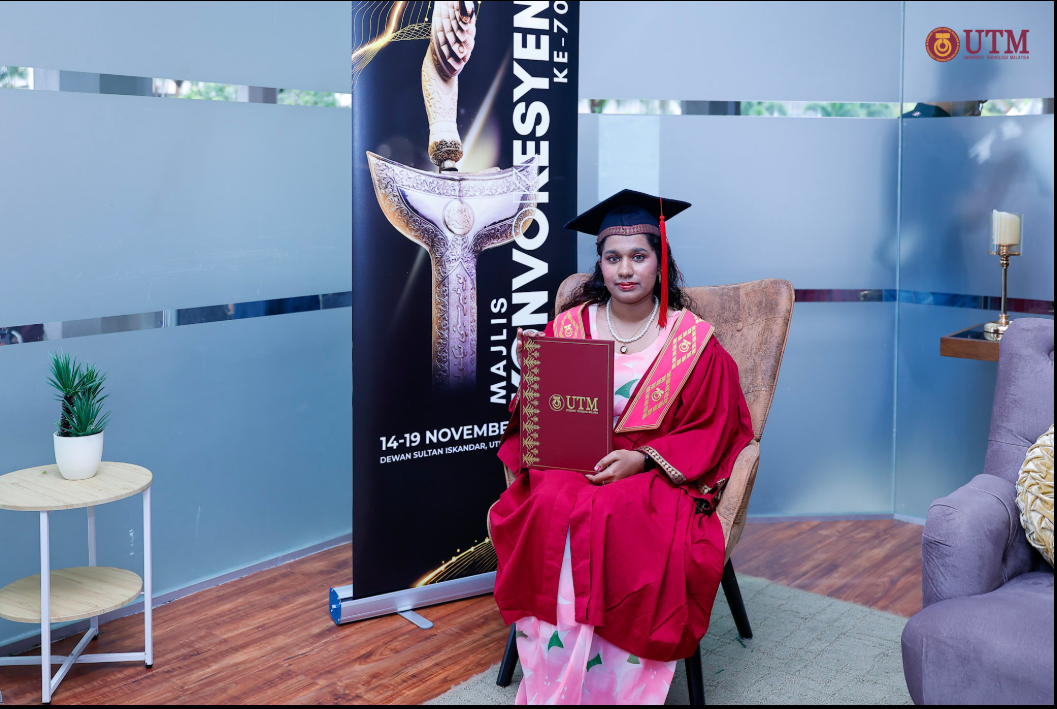
Roshini, a Master’s graduate in Computer Science from Universiti Teknologi Malaysia, has used AI to advance Alzheimer’s research through her thesis on disease classification using machine learning algorithms. Her work aims to strengthen healthcare responsiveness in Malaysia and support international scientific collaboration. Roshini’s dedication to neurodegenerative research is driven by personal experience and her commitment to applying computational methods to improve healthcare outcomes.
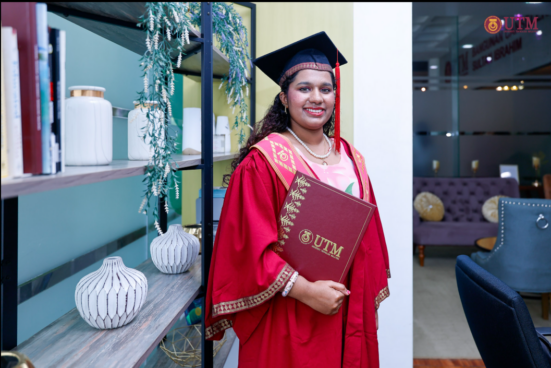
JOHOR BAHRU, Nov 19 – Academic excellence finds its highest purpose when scientific discovery is translated into meaningful societal impact. For Roshini, a Master of Science in Computer Science (Bioinformatics) graduate from the Faculty of Computing at Universiti Teknologi Malaysia (UTM), her postgraduate journey reflects an inspiring convergence of machine learning research, public policy engagement, and unwavering perseverance.
The centrepiece of Roshini’s academic work is her Master’s thesis, “Alzheimer’s Disease Classification Using an Enhanced Feature Routing Ensemble Architecture.” Alongside earlier machine learning investigations into cervical cancer, her thesis explores an ensemble framework that integrates two distinct algorithms to classify Alzheimer’s disease patterns more effectively: Support Vector Machine (SVM) and Artificial Neural Network (ANN).
To ensure clinical transparency, Roshini incorporated SHAP (SHapley Additive exPlanations) to evaluate how specific biological and data features influence the model’s predictions. She emphasises that explainability is vital in medical artificial intelligence (AI) because researchers and clinicians must understand the reasoning behind every automated output, rather than relying on opaque predictions.
Her dedication to neurodegenerative research stems from personal experience. Watching her grandmother live with Alzheimer’s disease and witnessing its emotional toll on both the patient and family members motivated Roshini to apply computational methods toward understanding the condition. While noting that data-driven models cannot replace clinical diagnosis, she believes ethical, accessible, and privacy-conscious bioinformatics research can strengthen healthcare responsiveness in Malaysia and support international scientific collaboration.
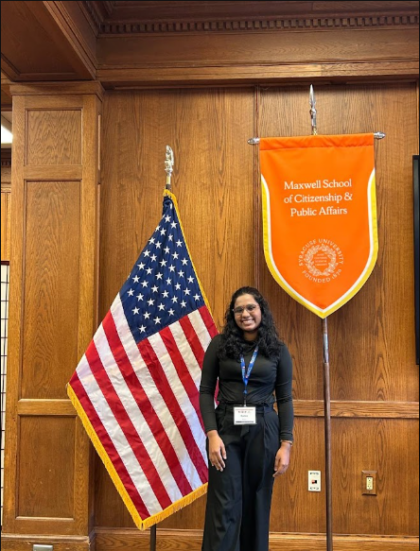
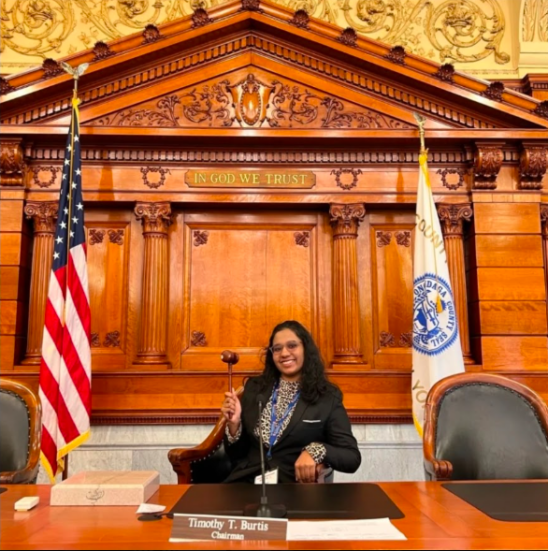
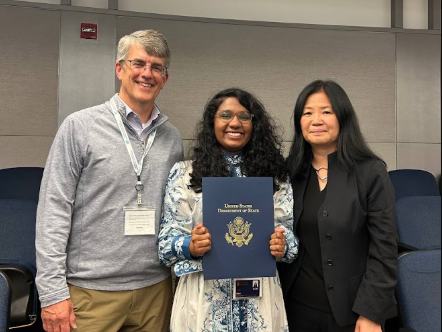
Beyond the laboratory, Roshini achieved international distinction as a 2025 Young Southeast Asian Leaders Initiative (YSEALI) Academic Fellow, a prestigious programme sponsored by the U.S. Department of State. Out of roughly 3,000 applicants across Malaysia, only 16 were chosen, with Roshini selected as one of just two Malaysians placed at Syracuse University, New York, under the Society and Governance theme.
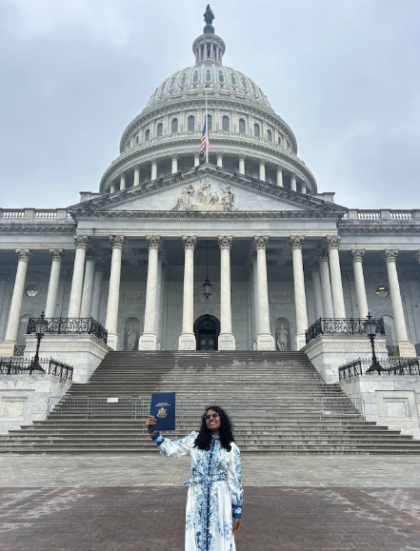
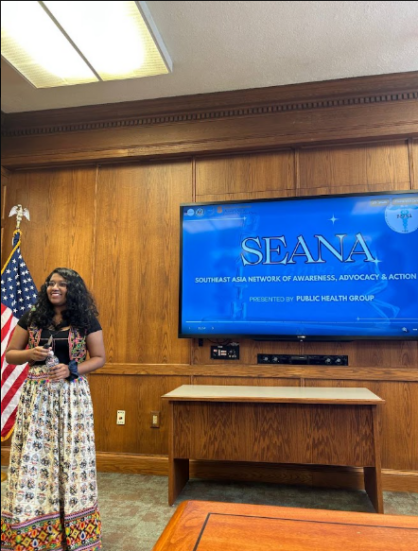
The milestone carried special significance; Roshini had applied repeatedly for YSEALI since age 18, persisting through years of rejections before finally succeeding at 25. During her five-week fellowship in the United States, she attended academic seminars, visited government institutions to examine public administration systems, and immersed herself in cultural landmarks, including Manhattan, the Statue of Liberty, and Broadway.
Roshini views community service and academic rigour as complementary pillars rather than competing obligations. Her leadership portfolio spans the Perdana Fellows Programme at the Ministry of Domestic Trade and Cost of Living (KPDN), Dewan Muda Johor, and NomNomNetworks, an initiative she co-founded to address food security, sustainable consumption, and community welfare. These grassroots experiences shaped how she frames complex challenges across technology, economics and public policy, while her analytical training equipped her to design evidence-based solutions.
Managing demanding research milestones alongside civic commitments required structured prioritization. Roshini broke complex thesis goals into smaller targets while safeguarding time for rest and family, recognizing that life balance comes from knowing what deserves priority at each stage rather than striving for perfection everywhere.
She credits her achievements to a strong support ecosystem, expressing deep gratitude to her family, her research supervisors and lecturers at UTM’s Faculty of Computing, her mentors and peers, and her scholarship sponsors, Yayasan Tunku Abdul Rahman and the Indian Trust Fund, whose trust enabled her studies. Looking ahead, Roshini hopes to continue bridging bioinformatics, youth mentorship, and policy advocacy while living by a guiding conviction: “Love yourself, believe in yourself, and live life on your own terms.” You only live once, so make it count.”
