


📝 Summary
Ihsan Hanifah Syukri, a Malaysian engineering student, completed a 12-week research internship at the University of Tsukuba in Japan, where he worked on a project bridging electronic hardware design and biological science. He developed an automated monitoring system to track microalgae growth using a custom camera system integrated with the Internet of Things (IoT). The experience exposed him to new microbiology techniques and laboratory routines, and he plans to apply his skills and insights to his upcoming Final Year Project at MJIIT, UTM.
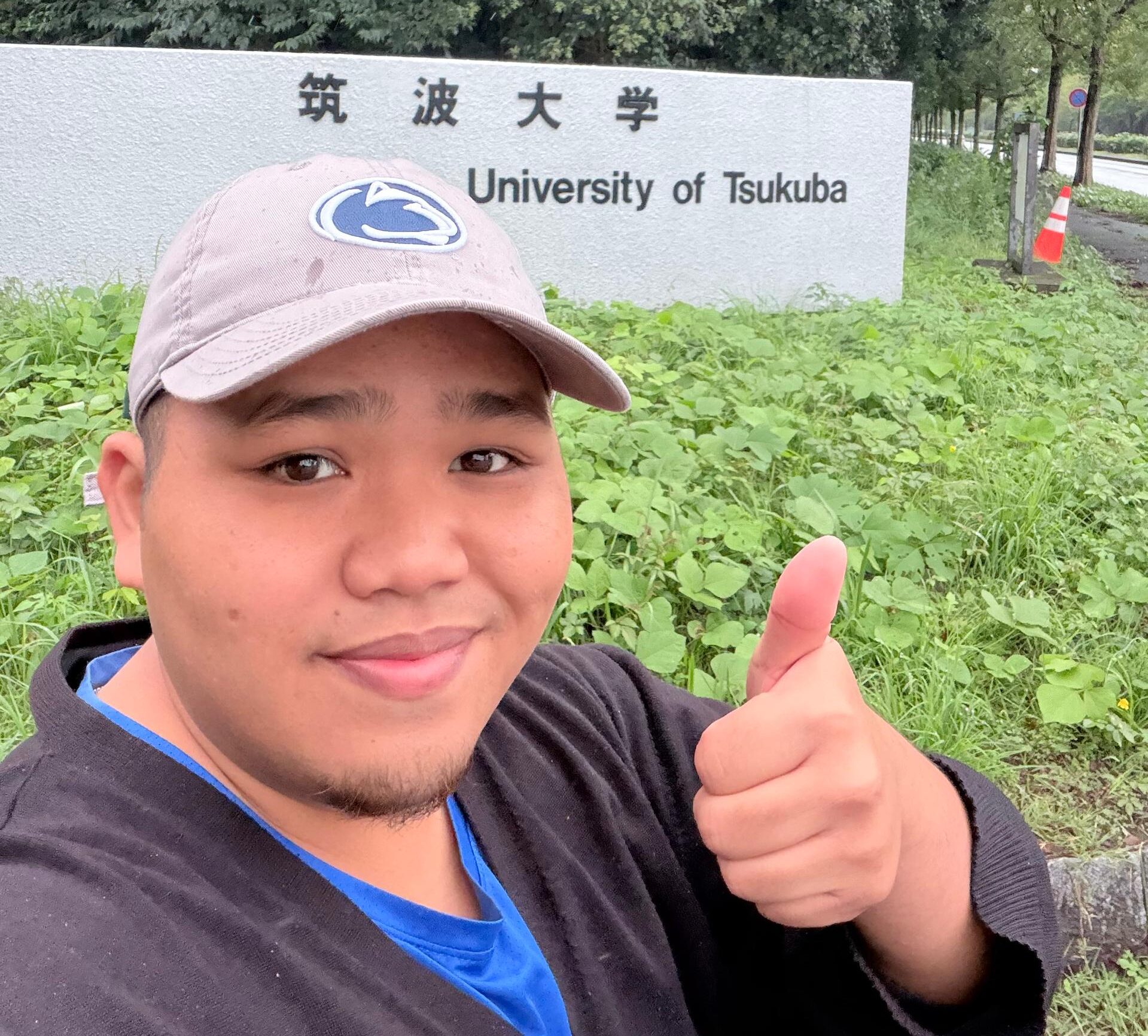
For an electronic systems engineering student, stepping into a biological laboratory is a new frontier. This was the experience of Ihsan Hanifah Syukri, a third-year undergraduate student from the Malaysia-Japan International Institute of Technology (MJIIT), Universiti Teknologi Malaysia (UTM), who completed a 12-week NEXUS Y-TEC Research Internship at the University of Tsukuba, Japan. The internship offered an opportunity to explore cross-disciplinary research beyond conventional engineering education.
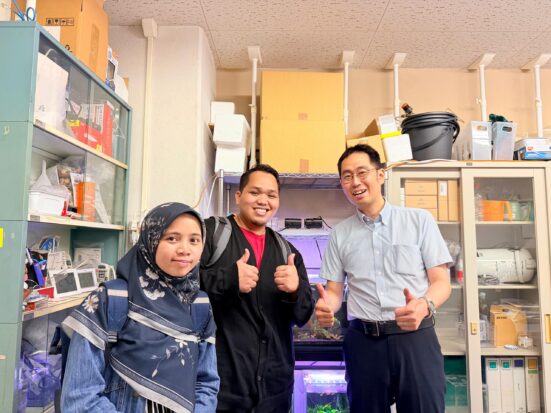
The experience was supported by his academic supervisor, Dr. Siti Rahmah Aid from MJIIT, UTM. Hosted at the Laboratory of Regulation of Photosynthetic Metabolism, Ihsan worked under the guidance of Assoc. Prof. Yoshiaki Maeda from the Institute of Life and Environmental Sciences at the University of Tsukuba, alongside joint academic supervisor Prof. Ir. Dr. Muhamad Ali Muhammad Yuzir from MJIIT, UTM. His research focused on bridging electronic hardware design and biological science.
Engineering Meets Microbiology
The primary research objective was to develop an automated monitoring system to track microalgae growth non-invasively using a custom camera system integrated with the Internet of Things (IoT). Before building the technology, however, Ihsan needed to understand the biology of the Chromophyton sp. microalgae he was tasked with monitoring. Coming from an engineering background involving circuits, microcontrollers and software development, he learned new microbiology techniques.
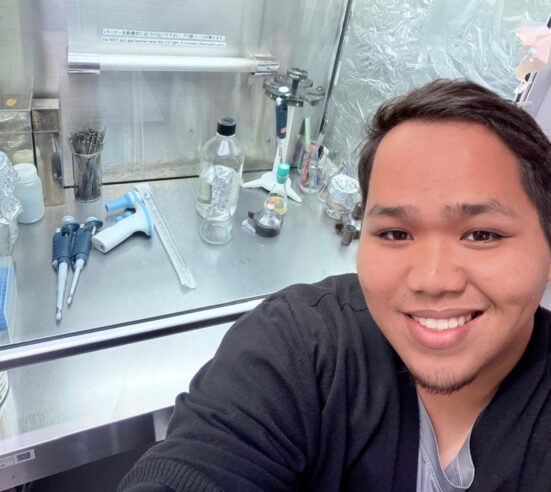
The transition required patience and meticulous attention to detail. Unlike computer code, which can be debugged and recompiled quickly, cultivating living organisms follows biological timelines and requires careful handling. Ihsan learned to handle biological specimens inside a sterile clean bench to reduce the risk of fungal or bacterial contamination. He was also trained to quantify microscopic samples manually using a hemocytometer, a process requiring steady hands and close observation under an optical microscope.
Comparing data from the automated IoT camera system with manual hemocytometer counts became a core part of his routine. The manual counts served as a reference for validating the software algorithms. This approach brought together his electronics background and established biological methods, demonstrating how engineering tools could help improve biological research workflows.
Learning in a Japanese Laboratory
Beyond the technical work, the internship exposed Ihsan to the routines and shared responsibilities of a Japanese laboratory. Maintaining a clean experimental environment was a collective task, with lab members organising shared equipment and preparing, sterilising and restocking clean benches for the next researcher. This was a deeply respected collective responsibility shared by everyone.
These routines supported teamwork and helped researchers carry out experiments efficiently. The shared approach meant that visiting interns and senior doctoral researchers worked in an environment prepared for the next stage of experimentation. It also reinforced that laboratory work depends not only on individual technical ability, but on consistent practices that protect samples, equipment and the reliability of results. Working alongside colleagues from different backgrounds also gave Ihsan experience in navigating language barriers through shared scientific goals and everyday communication. The experience highlighted the importance of adaptability and communication in international research settings.
Cultural Immersion and Mottainai
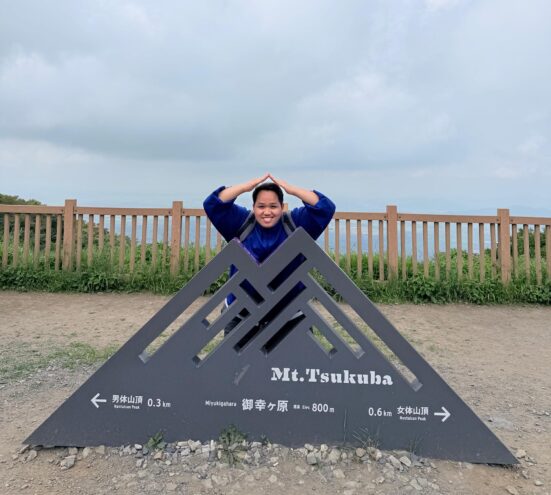
Outside the laboratory, Ihsan used weekends to visit friends in Tokyo and Akabane and explore places such as Shinjuku, Shimokitazawa and Akihabara. As an electronics enthusiast, he was particularly interested in Akihabara’s vintage technology shops, retro gaming hardware and electronic component stores. He also visited Mount Tsukuba, where the natural landscape offered a contrast to Japan’s busy urban centres.
These experiences contributed to his interest in environmental sustainability. The contrast between Japan’s highly developed cities and its natural landscapes encouraged him to think about the relationship between technological progress and environmental responsibility. Together with his research, these observations helped connect his personal interests with wider questions about resource use and waste reduction. During the internship, he authored an academic paper exploring Mottainai, a Japanese philosophy associated with respect for resources and regret over waste, alongside modern systems engineering principles. The paper considered how these ideas could inform more sustainable approaches to global waste management.
Bringing Knowledge Back to MJIIT
After completing his final research presentation before the joint supervisory panel, Ihsan concluded his 12-week internship with broader experience in interdisciplinary research. Moving from computer programming into the cultivation and monitoring of living cells gave him a different perspective on how engineering can contribute to biological research.
He hopes to apply the technical skills, laboratory experience and insights gained in Japan to his upcoming Final Year Project (FYP) at MJIIT, UTM. The experience provides a foundation for further work at the intersection of technology, biological research and environmental sustainability.
