


📝 Summary
Desmond Goh, a Malaysian student, spent 12 weeks at the University of Tokyo as an intern, where he conducted research on electric vehicle battery recycling and gained valuable cultural experiences. He participated in various cultural events, including fireworks festivals and traditional dance festivals, and developed his independence and confidence by navigating Japan’s public transportation system and communicating with people from different backgrounds. The internship experience had a profound impact on Desmond’s academic, cultural, and personal growth.
For Desmond Goh Cheng Twan, a Year 3 student pursuing Electronic Systems Engineering at the Malaysia-Japan International Institute of Technology (MJIIT), an overseas internship in Japan became more than an opportunity to conduct research. It became a journey of academic growth, cultural discovery and personal independence.
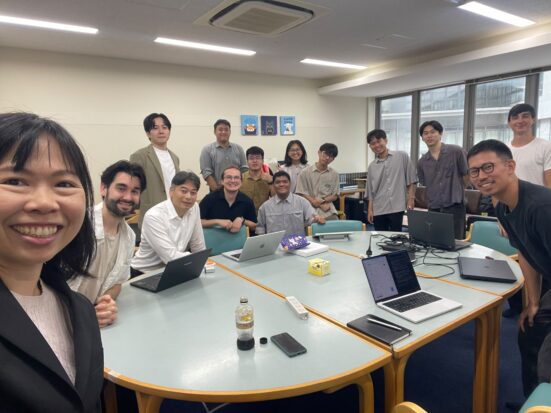
From July to October 2026, Desmond spent 12 weeks at the University of Tokyo as an intern with the Tanaka Laboratory. The experience allowed him to step into a different academic environment, work alongside researchers from diverse backgrounds and experience life in Japan beyond what he had previously known. During his internship, Desmond focused on research related to electric vehicle (EV) battery recycling and material recovery value in Malaysia. His work involved reviewing academic literature, collecting data on EV adoption and battery configurations and assessing the potential value of materials that could be recovered from EV batteries.
However, some of the most memorable lessons came from experiences outside the laboratory.
As someone from Malaysia, Desmond had never experienced earthquakes and typhoons. During his stay in Japan, he experienced both a few times during the 3 month. The typhoon demonstrated how severe weather could affect transportation and daily activities, while experiencing an earthquake gave him a greater appreciation of Japan’s preparedness for natural disasters. Rather than simply being unusual experiences, these moments provided Desmond with an opportunity to observe how people in Japan responded to situations that were unfamiliar to him. The calmness and preparedness he observed became another valuable part of his overseas experience.
Japan’s culture became another important part of Desmond’s journey. During his stay, he had the opportunity to attend several seasonal and cultural events, including Hanabi Taikai (fireworks festivals), Yosakoi dance festivals and Bon Odori.
Among these experiences, the Hanabi festival left a strong impression on him. Having never experienced a Japanese fireworks festival before, Desmond was amazed by the scale and atmosphere of the event. As the evening progressed, the gathering of people, food stalls, traditional festival clothing and lively surroundings created an atmosphere that was very different from an ordinary night in Tokyo. When the fireworks finally lit up the sky, the combination of the colourful displays and the surrounding crowd made the experience especially memorable. Hanabi Taikai was not simply about watching fireworks. It was an opportunity to experience a part of Japanese summer culture that he had previously only seen through social media and photographs. Being there in person allowed him to appreciate the excitement and sense of community surrounding the festival, making it one of the highlights of his time in Japan.
He also experienced Yosakoi, a traditional Japanese dance festival known for its energetic performances and coordinated movements. Watching the performers dance together to the rhythm of the music gave Desmond an appreciation for the enthusiasm and effort involved in these community celebrations. The vibrant performances and strong sense of teamwork made Yosakoi another memorable cultural experience during his stay.
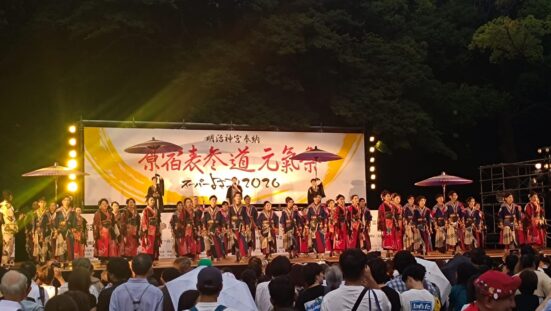
Another cultural experience was Bon Odori, where participants gathered to perform traditional dances together. Desmond found the atmosphere particularly welcoming as people of different ages participated in the celebration. Being able to witness and take part in the event gave him a closer look at how traditional culture continues to be enjoyed by communities in modern Japan.
These experiences allowed Desmond to experience Japanese culture beyond the well-known tourist attractions. Rather than simply observing traditions from a distance, he was able to participate in local celebrations and create memories through direct interaction with the culture.
Outside his internship schedule, he explored various parts of Japan, including Shibuya, Akihabara, Yokohama and Kawagoe. Each destination offered a different experience, from the busy streets of central Tokyo to the historical and traditional atmosphere of other areas. Travelling independently also became part of his learning experience. Navigating Japan’s extensive public transportation system, adapting to a different environment and communicating with people from different backgrounds gradually strengthened his independence and confidence. Another meaningful aspect of the internship was the opportunity to meet fellow Malaysians living and studying in Japan through the Malaysia-Japan Academic Association (MJAA). Participating in activities with the Malaysian community allowed Desmond to maintain a connection with home while building new friendships abroad. The activities participated include a visit to the Shibuya Incineration Plant and a visit to the Embassy of Malaysia in Japan.
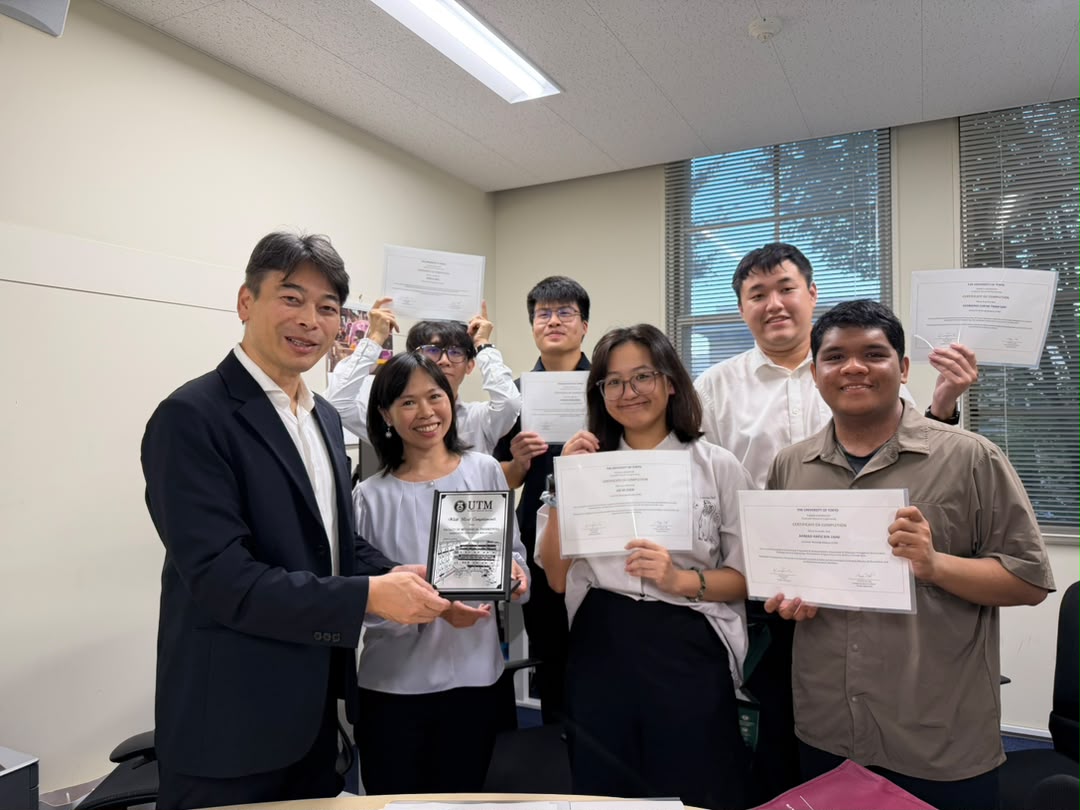
As the internship approached its conclusion, Desmond presented his final research progress to Professor Tanaka and received his internship certificate. The final presentation marked the completion of an experience that had taken him far beyond the laboratory.
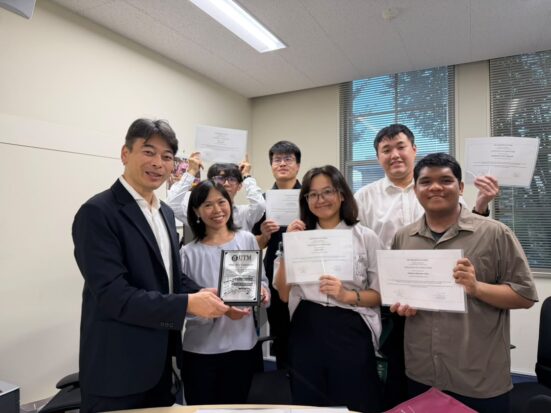
Looking back, Desmond’s 12-week internship at the University of Tokyo brought together three important aspects of an overseas learning experience: academic development, cultural exposure and personal growth. The journey ultimately left him with not only new knowledge and research experience, but also lasting memories of his time in Japan and a broader perspective that he can carry forward throughout his engineering studies and future career.
