


📝 Summary
UTM and HSE University in Saint Petersburg, Russia, have launched a Russian-language book on social entrepreneurship, “From Horizon to Horizon: A Study of Social Entrepreneurship in Malaysia and Russia”, which offers comparative perspectives on social entrepreneurship practices in Malaysia and Russia. The book is the result of a joint team of authors from UTM and HSE University, and its launch reflects the deepening academic relationship between Malaysia and Russia. The collaboration aims to contribute to social development, innovation, and sustainability, and is aligned with UTM’s ASCEND 2030 Strategic Plan.
SAINT PETERSBURG, May 22 – Universiti Teknologi Malaysia (UTM) has further expanded its global academic footprint with the launch of a Russian-language book, From Horizon to Horizon: A Study of Social Entrepreneurship in Malaysia and Russia (Russian: От горизонта к горизонту: исследование социального предпринимательства в Малайзии и России), co-published with HSE University in Saint Petersburg, Russia.
The book is the work of a joint team of authors led by Prof. Magdalena Gaete, Head of the Project-Based Learning Laboratory for Reputation Management in Education (RepLab) at HSE St. Petersburg, and Assoc. Prof Dr. Khaliyana Khalid, Vice Dean for Research, Innovation, and Development at UTM’s Azman Hashim International Business School (AHIBS).
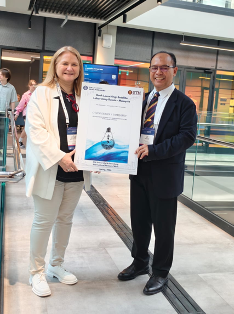
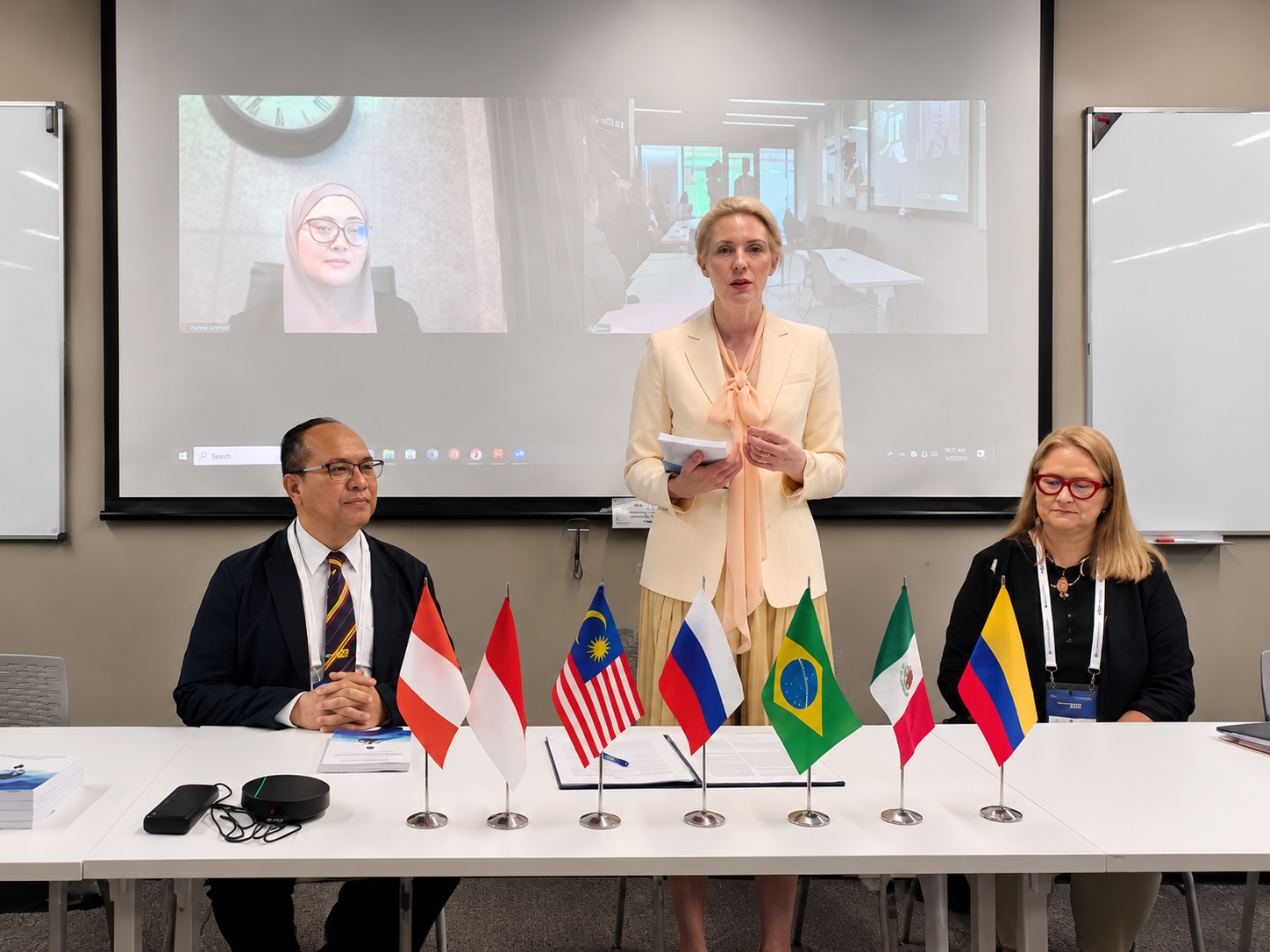
The launch reflects the deepening academic relationship between Malaysia and Russia and demonstrates how university partnerships can evolve into international platforms that contribute to social development, innovation, and sustainability. UTM was represented at the launch by Deputy Vice-Chancellor (Student Affairs and Alumni), Prof. Ts. Dr. Ali Selamat, who attended on behalf of the Vice-Chancellor of UTM in conjunction with the Satellite Lab Consortium on Social Entrepreneurship and Sustainability programme.
The UTM-HSE collaboration, which began in 2003, has since grown into an international consortium spanning Asia, Europe, and Latin America. Current consortium members include HSE University Saint Petersburg, Russia; UTM, Malaysia; Institut Teknologi Sepuluh Nopember (ITS), Indonesia; Universidad Panamericana (UP) and Universidad Popular Autónoma del Estado de Puebla (UPAEP) in Mexico; Universidad La Sabana (Unisabana) and Universidad del Valle (Univalle) in Colombia; and Universidade Estadual Paulista (UNESP) and Universidade Estadual de Campinas (UNICAMP) in Brazil. The breadth of this network reflects the strength of long-term academic cooperation in advancing cross-border research and knowledge-sharing initiatives that benefit global communities.
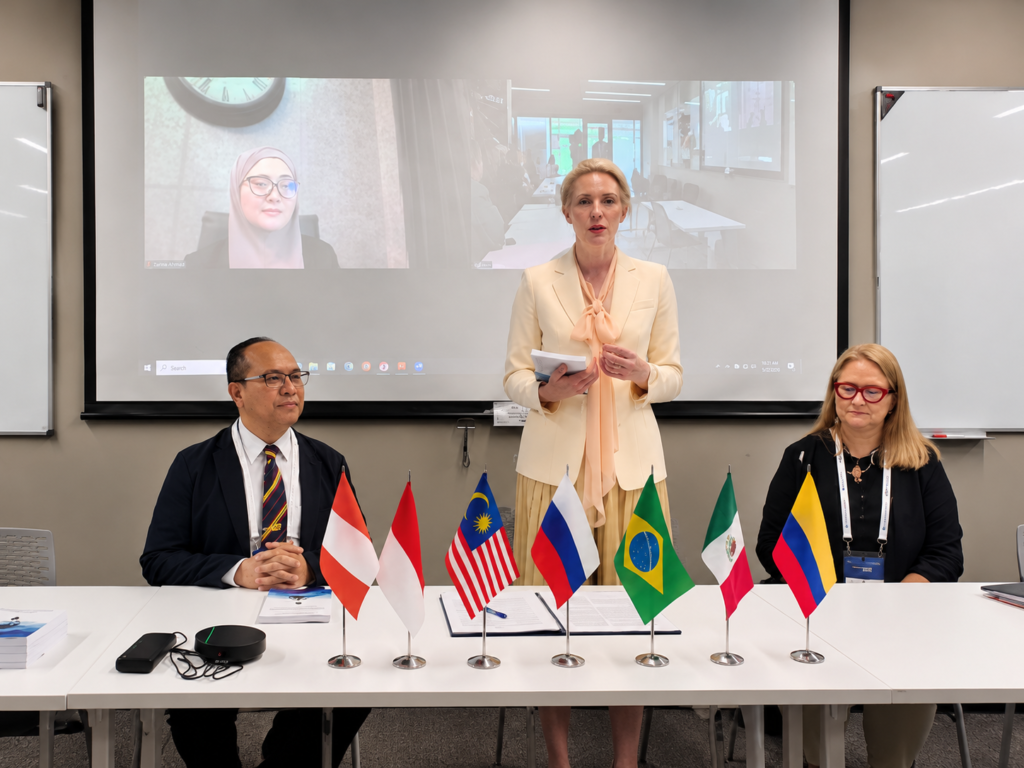
According to Prof. Ts. Dr. Ali Selamat, universities today must play a broader role, not only as centers of knowledge creation, but also as catalysts for social transformation and community development.
“The launch of this book symbolizes how academic collaboration can serve as a bridge of knowledge between nations, cultures, and societies. When universities, researchers, and communities work together, research outcomes not only enrich knowledge, but also create meaningful and lasting social impact,” he said.
The publication offers comparative perspectives on social entrepreneurship practices in Malaysia and Russia, while emphasizing the role of universities in empowering communities, supporting inclusive development, and driving community-based innovation. Beyond the publication itself, the collaboration opens further opportunities for joint research, academic mobility, social innovation development, and the strengthening of educational diplomacy between both countries.
The initiative is aligned with the aspirations of the UTM ASCEND 2030 Strategic Plan in advancing high-impact research, internationalization, sustainability, and university-industry-community collaboration towards global well-being.
The book launch is expected to serve as a catalyst for strengthening Malaysia-Russia strategic academic collaboration, while further expanding UTM’s global impact in social entrepreneurship, community innovation, and sustainable development.
Reference: https://spb.hse.ru/news/1161543467.html
