


📝 Summary
The UTM Policy Studies Research Group facilitated a stakeholder validation session for the proposed National Science, Technology and Innovation (STI) Enculturation Roadmap Framework, bringing together 40 participants from various government agencies and ministries. The session focused on a proposed framework to guide STI enculturation at the national level, aiming to nurture a society that values scientific knowledge and critical thinking. The validation process considered four interconnected policy foundations: talent development, societal enculturation, ecosystem reorientation, and inclusive development.
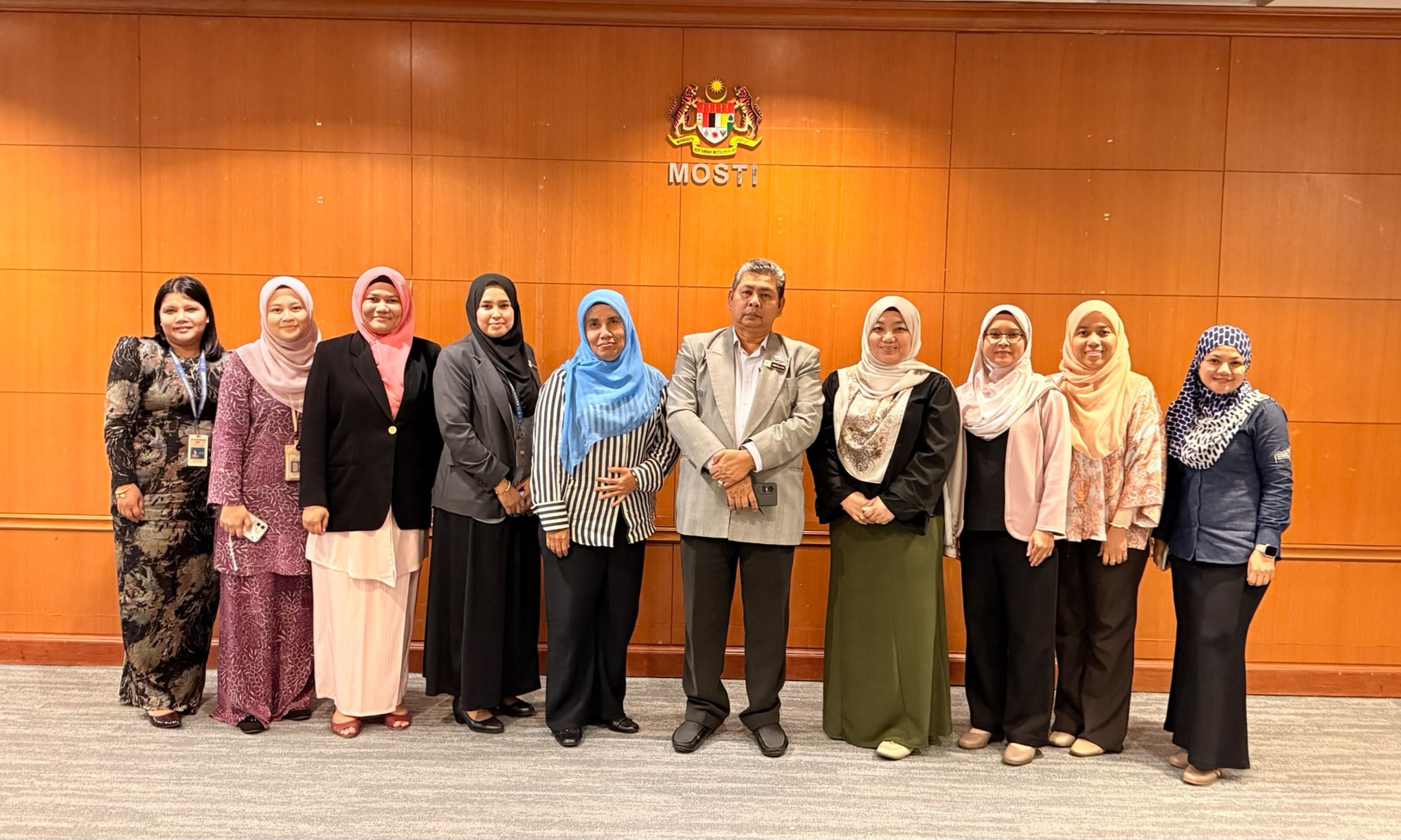
KUALA LUMPUR, Nov 4 – The UTM Policy Studies Research Group (PSRG), based at the Faculty of Artificial Intelligence (FAI), Universiti Teknologi Malaysia (UTM), was invited by the Ministry of Science, Technology and Innovation (MOSTI) to facilitate a stakeholder validation session for the proposed National Science, Technology and Innovation (STI) Enculturation Roadmap Framework on 4 November 2026.
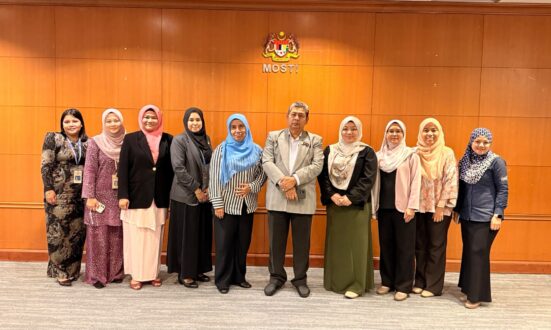
Organised by MOSTI’s STI Enculturation and Services Division (PSTI), the session brought together 40 participants from MOSTI and its agencies, including the Department of Chemistry Malaysia, Malaysian Space Agency (MySA) and Department of Atomic Energy, as well as representatives from other ministries, including the Ministry of Education (MOE), Ministry of Higher Education (MOHE) and Ministry of Economy.
The participation of these agencies and ministries provided a cross-sector perspective to the validation process, which focused on a proposed framework intended to guide STI enculturation at the national level. The session also reflected the role of policy expertise in bringing different stakeholder perspectives into discussions on the framework’s direction and intended outcomes.
This was PSRG’s second engagement with MOSTI on the initiative. The first, held in August 2025, focused on providing guidance on policy development methodology and the importance of baseline studies in establishing an evidence-informed policy direction. Following that engagement, MOSTI developed the proposed framework internally before convening stakeholders to examine and validate its direction.
STI enculturation aims to nurture a society that values scientific knowledge, thinks critically and applies evidence in everyday decision-making. It is promoted through STI-related programmes, including science education, community engagement and science communication, which help make scientific knowledge accessible and relevant to the public.
As Malaysia advances its high-technology ambitions, cultivating a scientifically minded society is essential to ensuring that technological progress brings meaningful benefits to people and communities. This requires more than the delivery of individual programmes; it also involves connecting initiatives to broader societal aspirations and considering how their longer-term contributions can be assessed.
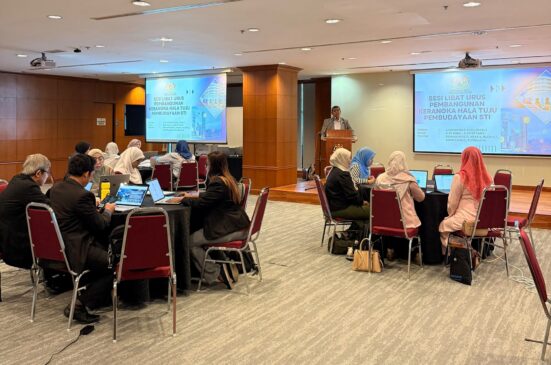
During the session, PSRG facilitated discussions to examine the proposed framework’s conceptual clarity, strategic direction and intended national outcomes. A key emphasis was the importance of clearly defining what constitutes a scientifically minded society and how progress towards this aspiration can be assessed. This helps connect STI-related programmes with measurable, longer-term societal changes, rather than focusing solely on programme implementation.
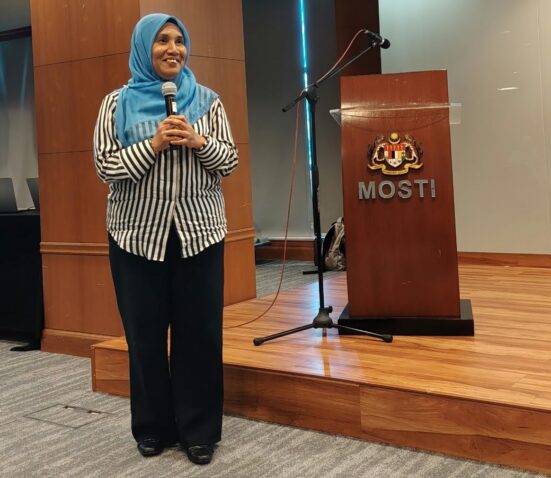
The validation process considered four interconnected policy foundations: talent development, societal enculturation, ecosystem reorientation and inclusive development. These foundations formed the basis for discussions on how the proposed framework could address the development of people, society and the wider STI ecosystem while keeping inclusivity in view.
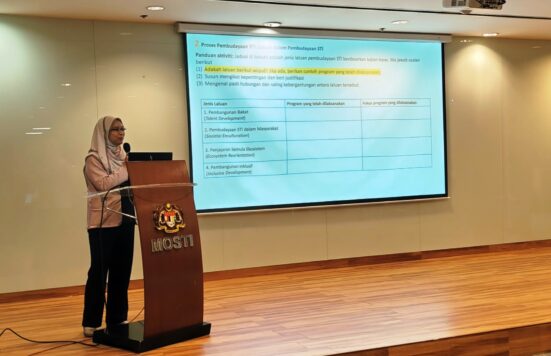
Through this engagement, PSRG demonstrated the practical contribution of policy development expertise in strengthening the strategic foundations of national initiatives through structured validation and evidence-informed policy analysis. The session also continued the group’s engagement with MOSTI in supporting the development of a policy direction for a more scientifically minded society.
