


📝 Summary
A study by Universiti Teknologi Malaysia aims to identify the root causes of underperformance among bioenergy installations in Malaysia, which is crucial for the country’s energy transition. The study will examine technical, operational, and resource-related challenges at landfill gas, palm oil mill effluent-based biogas, and biomass power installations to provide evidence-based recommendations for improvement. The findings are expected to support Malaysia’s efforts to strengthen performance monitoring and refine mitigation approaches for its renewable energy targets.
Malaysia is accelerating its energy transition through the National Energy Transition Roadmap (NETR), which targets a 70% renewable energy (RE) share of installed electricity capacity by 2050. The Malaysia Renewable Energy Roadmap (MyRER) also sets out strategies to increase renewable energy capacity to 40% by 2035, with bioenergy playing an important role in diversifying the country’s renewable energy mix. With the current RE share stated at approximately 21%, improving the performance of existing renewable energy installations remains important.
Recognising this challenge, Universiti Teknologi Malaysia (UTM), through a consultancy team led by Prof. Ir. Dr. Haslenda Hashim, with co-consultants Dr. Nor Alafiza Yunus and Dr. Muhammad Afiq Zubir, is undertaking a study for SEDA Malaysia to investigate the root causes of Declared Annual Availability (DAA) underperformance among Feed-in Approval Holders (FiAHs). The study examines technical, operational and resource-related challenges at landfill gas, palm oil mill effluent (POME)-based biogas and biomass power installations to identify practical measures that could improve plant reliability and renewable electricity generation.
DAA compliance and reliable renewable electricity generation
Under Malaysia’s Feed-in Tariff (FiT) mechanism, FiAHs are required to meet an annual minimum performance threshold of not less than 35% of DAA, subject to the applicable Feed-in Approval conditions. DAA represents the projected annual renewable energy output that an installation is expected to generate and deliver to the connection point.
Failure to meet the required performance level throughout the Power Purchase Agreement (PPA) period may result in regulatory action, including potential revocation of the Feed-in Approval (FiA), subject to the applicable terms and regulatory requirements. Investigating the causes of underperformance is therefore essential to ensure that approved installations deliver their intended contribution.
Factors such as limited biogas availability, gas extraction constraints, equipment downtime, maintenance requirements and feedstock-related challenges can affect electricity generation. Addressing these issues could strengthen DAA compliance and maximise the use of existing renewable energy assets.
Site visits to identify operational bottlenecks
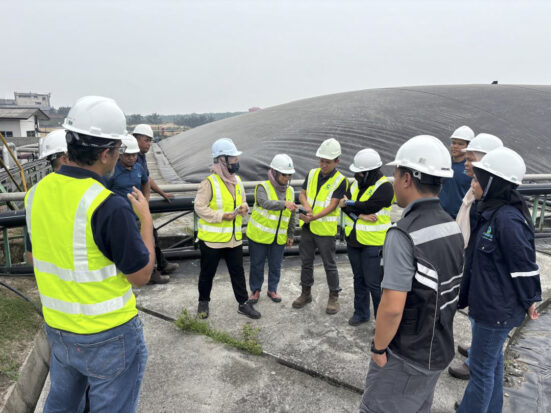
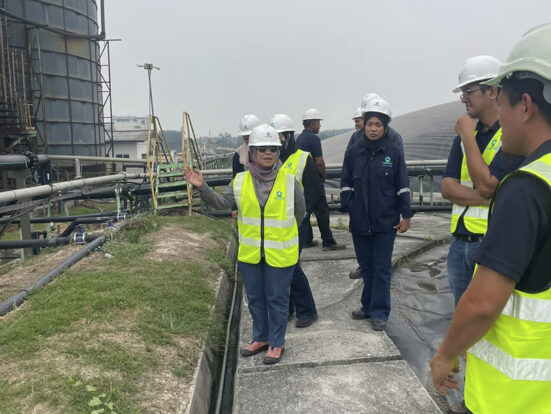
The site visits provide an opportunity to assess factors affecting bioenergy plant performance, including feedstock availability, methane recovery, gas collection efficiency, engine reliability, maintenance requirements, infrastructure limitations and operating practices.
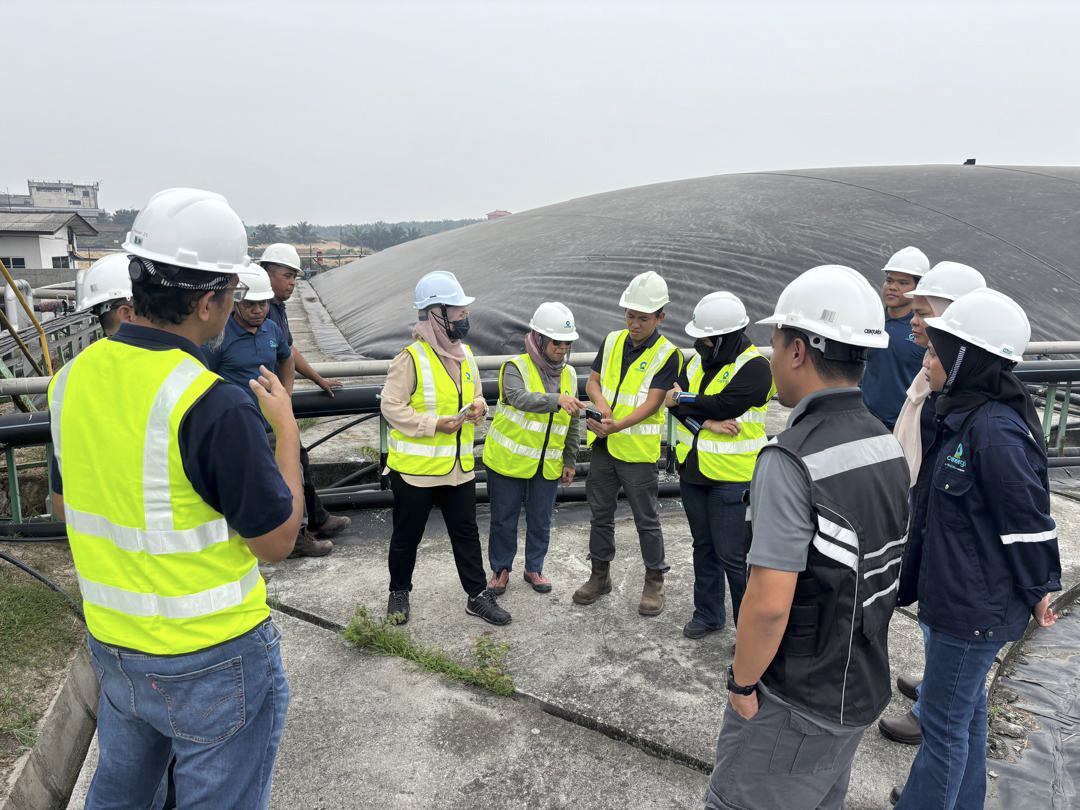
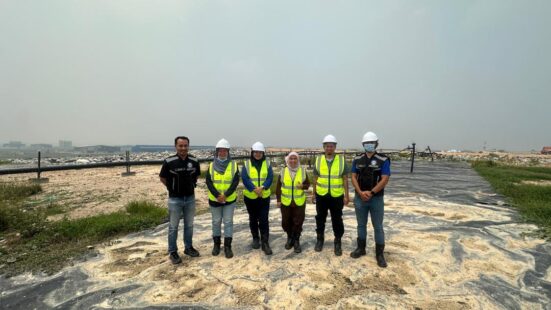
At Jana Landfill Sdn. Bhd.’s Jeram Sanitary Landfill in Kapar, Selangor, the site visit highlighted challenges associated with limited access to gas extraction areas because waste disposal operations are ongoing. Ground settlement and movement also constrain the development of additional gas extraction infrastructure in certain areas. These limitations may restrict methane recovery and affect the availability of biogas supplied to generating engines.
The assessment also considered engine performance and maintenance requirements, highlighting the need to examine gas supply constraints alongside equipment reliability when determining the causes of DAA underperformance.
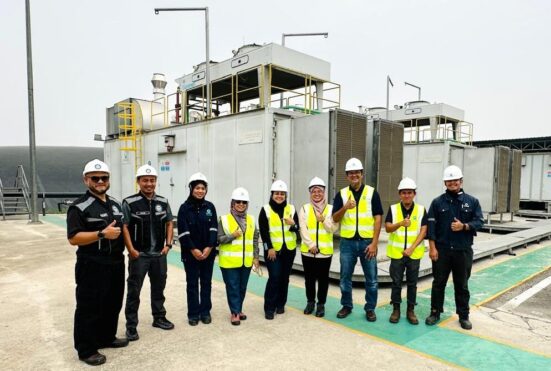
Visits to Comintel and Cenergi Classic provide further opportunities to understand operating conditions across different bioenergy installations, including biomass combustion and POME-based biogas generation. Comparing findings across facilities can help distinguish site-specific constraints from recurring operational challenges and identify measures that may be applicable across the sector.
From root-cause investigation to practical mitigation
The UTM-led study aims to translate its findings into evidence-based recommendations for SEDA Malaysia and the relevant FiAHs. For landfill-based facilities, potential measures include progressively installing gas extraction systems in technically suitable areas, expanding into completed or post-closure sections, and improving the monitoring of methane concentration and gas flow.
For POME-based biogas and biomass power installations, possible measures include improved feedstock and resource management, preventive maintenance, operational monitoring and better coordination between resource availability and power generation. The suitability of each measure will depend on the technology, site conditions and specific causes of underperformance.
The study will help determine whether DAA underperformance arises primarily from resource limitations, equipment-related issues, operational practices, or a combination of factors. This will support the development of targeted mitigation plans, monitoring of corrective actions and assessment of their effectiveness.
Supporting Malaysia’s Energy Transition
Improving existing bioenergy installations can complement investment in new renewable energy capacity. Better DAA compliance, greater energy recovery from waste, improved equipment reliability and reduced avoidable downtime could help Malaysia make better use of its existing renewable energy assets.
The findings are expected to support SEDA Malaysia’s efforts to strengthen performance monitoring, refine mitigation approaches and inform policy strategies for addressing DAA underperformance among FiAHs. This is relevant as Malaysia works towards its MyRER and NETR targets, which require both additional renewable energy capacity and effective utilisation of existing installations.
Ultimately, improving the reliability and performance of bioenergy power plants can help maximise Malaysia’s renewable energy resources, strengthen the effectiveness of the FiT framework and support the country’s ambition of achieving a 70% renewable energy share of installed electricity capacity by 2050 under the NETR.
