


📝 Summary
Universiti Teknologi Malaysia (UTM) reaffirmed its commitment to international academic collaboration and community empowerment at the World University Association of Community Development (WUACD) Executive Board Meeting 2026. UTM’s Deputy Vice-Chancellor emphasized the importance of extending university partnerships beyond formal agreements to deliver measurable benefits for society. The meeting highlighted potential collaboration areas and the need for partnerships to be assessed through practical outcomes.
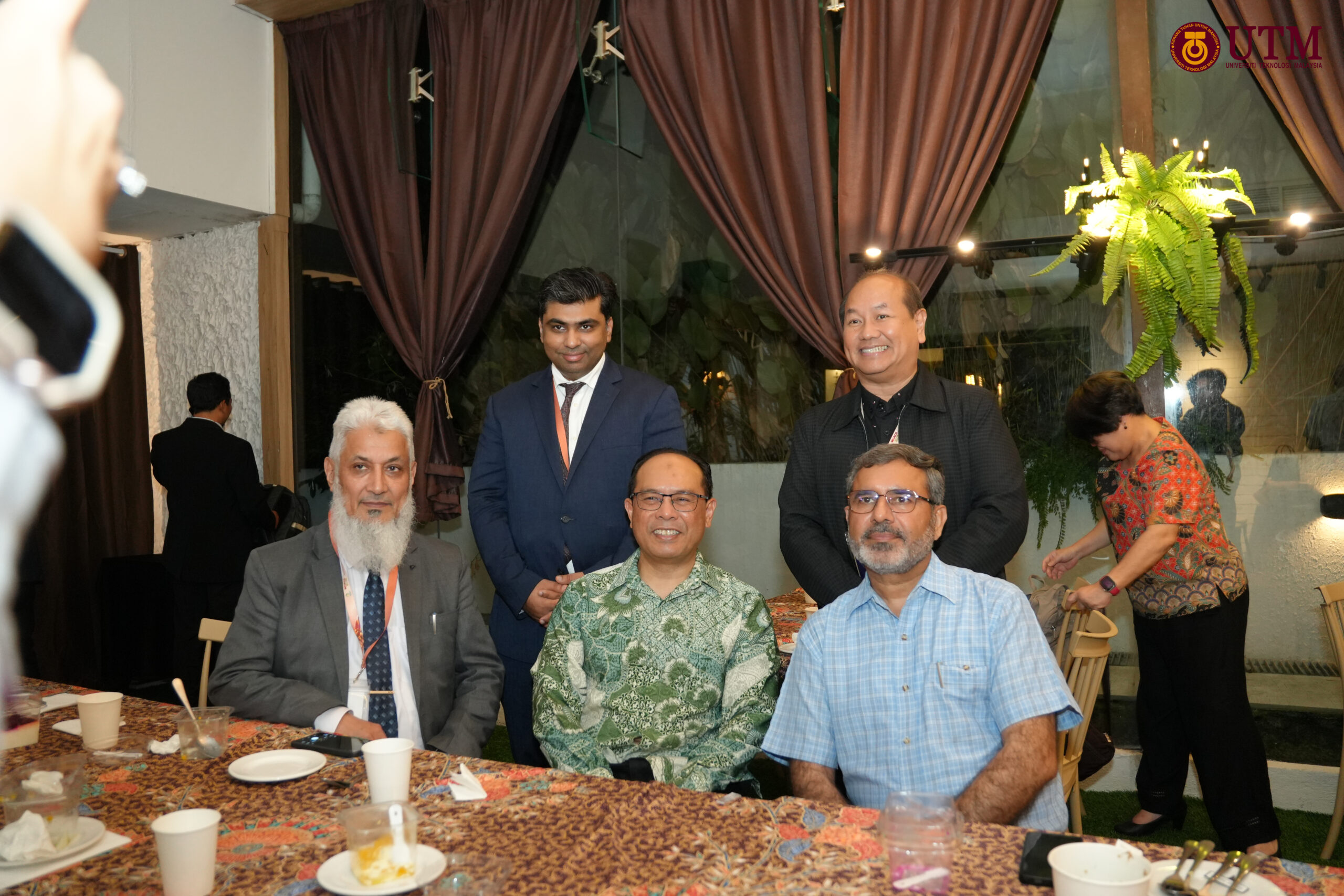
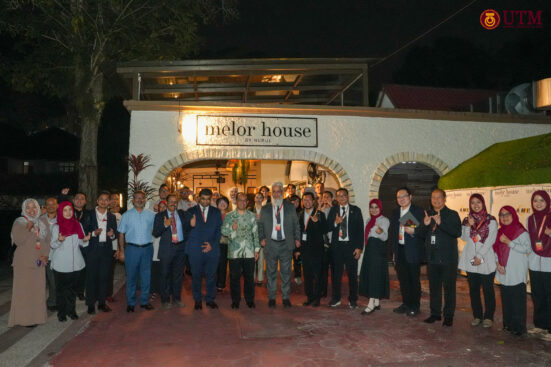
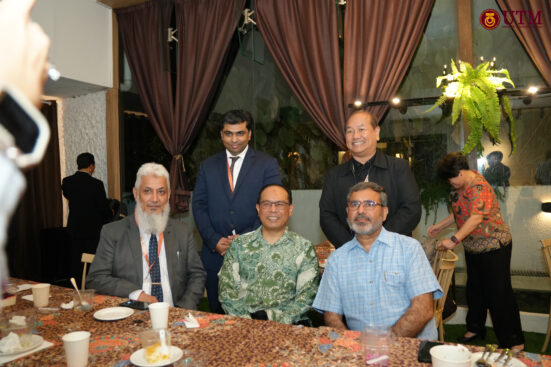
JOHOR BAHRU, Oct 14 – Universiti Teknologi Malaysia (UTM) reaffirmed its commitment to international academic collaboration, research and community empowerment at the welcoming dinner held in conjunction with the World University Association of Community Development (WUACD) Executive Board Meeting 2026, themed “Empowering Humanity Through Global Sustainable Partnerships”.
Representing UTM Vice-Chancellor Prof. Ts. Dr. Mohd Shafry Mohd Rahim, Deputy Vice-Chancellor (Research and Innovation) Prof. Ts. Dr. Ali Selamat delivered the welcoming address and conveyed the Vice-Chancellor’s greetings to delegates. He emphasised that international university partnerships must extend beyond formal agreements to deliver measurable benefits for society.
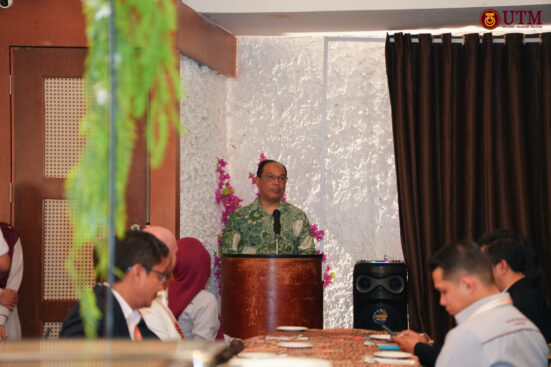
“The true measure of a university lies in the difference it makes to people’s lives. It lies in our ability to transform knowledge into solutions, develop responsible future leaders, strengthen communities and contribute to a more sustainable and equitable world,” he said.
Prof. Ali highlighted the importance of international academic networks in addressing global challenges, including climate change, technological disruption and social inequality. He said WUACD provides a platform for universities to exchange knowledge and collaborate on research and community development.
“The future demands partnership rather than isolation, collaboration rather than competition alone, and shared progress rather than institutional success in isolation.”
He encouraged partnerships linking researchers, students, industry, government and communities to generate sustainable impact.
The meeting also highlighted UTM ASCEND 2030, which aims to strengthen academic excellence, research impact, innovation and international recognition. Prof. Ali said UTM aims to translate scientific knowledge and technological innovation into solutions for global challenges.
“A university becomes stronger when knowledge is shared. Innovation becomes more valuable when it serves humanity. And excellence becomes more meaningful when it enables others to progress with us.”
Potential collaboration areas among WUACD members include research on climate resilience, sustainable cities, renewable energy, digital transformation, public health and community development; postgraduate supervision and academic mobility; innovation and technology transfer; and community empowerment through capacity building and digital inclusion.
Prof. Ali stressed that partnerships should be assessed through practical outcomes rather than the number of agreements signed.
“Our success should not be measured by the number of meetings we organise or agreements we sign, but by the opportunities we create, the people we empower, the problems we solve and the lasting impact we deliver together.”
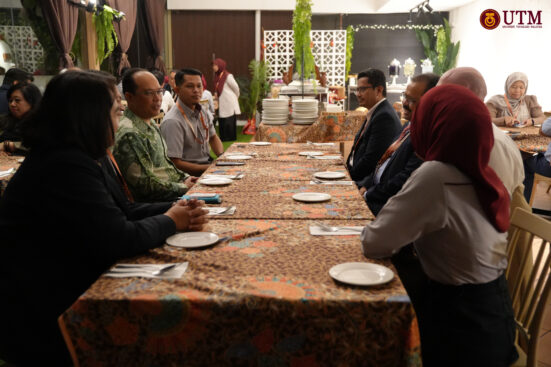
He highlighted the need to ensure artificial intelligence and emerging technologies remain ethical, inclusive and human-centred, noting their potential across education, healthcare, industry, agriculture and environmental management.
“Technology itself is not the destination. Its true value lies in how responsibly and intelligently we apply it to solve human problems, strengthen economies, protect our environment and improve people’s quality of life.”
Prof. Ali also highlighted Johor’s role in economic development, advanced manufacturing, digital industries and international connectivity. UTM’s location offers opportunities to connect research with industry, government and community needs.
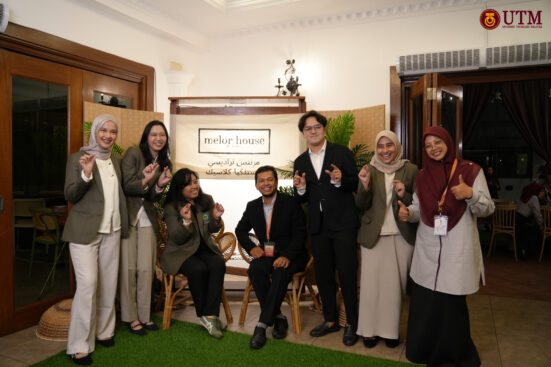
In concluding his address, Prof. Ali conveyed the Vice-Chancellor’s appreciation and best wishes to WUACD and participating institutions. He expressed hope that the meeting would lead to stronger institutional relationships, collaborative research, academic exchanges and sustainable community development.
