


📝 Summary
Universiti Teknologi Malaysia (UTM) and The University of Tokyo (UTokyo) have established a collaborative framework to focus on sustainable engineering, the circular economy, and electric vehicle battery sustainability. The collaboration aims to strengthen research and support UTM’s strategic goals, particularly in sustainability and international research partnerships. The partnership will involve joint supervision of research students working on topics related to the circular economy.
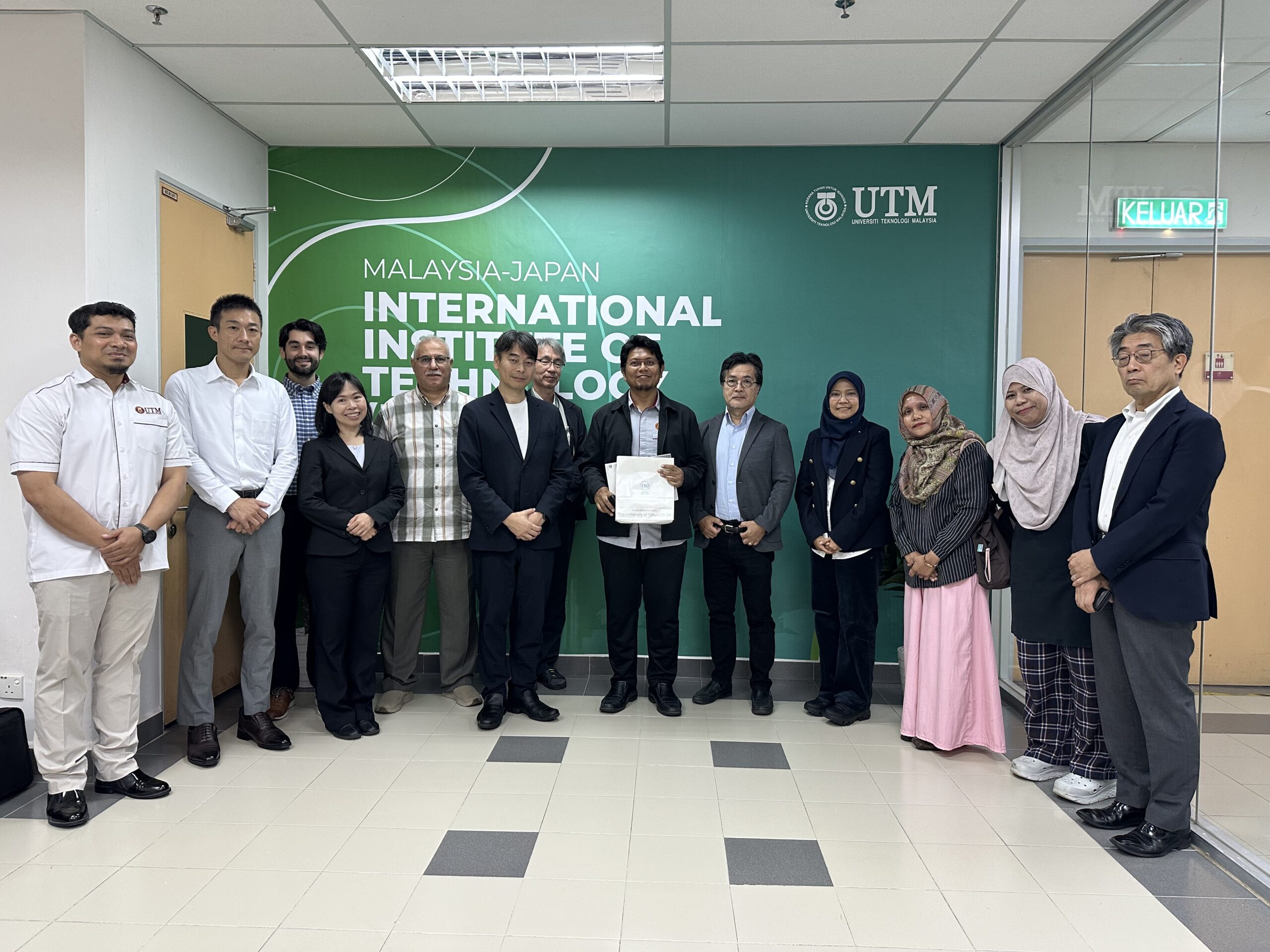
KUALA LUMPUR, Oct 5 – Universiti Teknologi Malaysia (UTM), through its Malaysia-Japan International Institute of Technology (MJIIT), has established a collaborative framework with The University of Tokyo (UTokyo), focusing on sustainable engineering, the circular economy and electric vehicle (EV) battery sustainability.
The collaboration involves UTokyo’s Tanaka Lab under its Graduate School of Engineering and MJIIT’s i-Kohza Shin-ka (Sustainability, Innovation, Technology & Knowledge Advancement). It aims to strengthen research collaboration and support UTM’s strategic goals under ASCEND 2030, particularly in sustainability and international research partnerships.
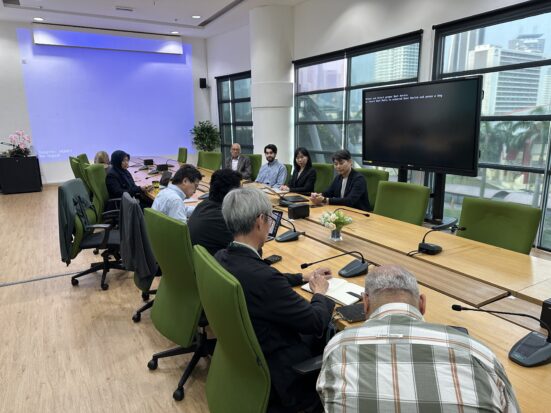
Ts. Dr. Zulhasni Abdul Rahim, coordinator of the collaboration and Head of i-Kohza Shin-ka, is leading the engagement with researchers including Dr. Syuhaida Ismail. i-Kohza’s research expertise includes waste management, port and maritime governance, which complements the engineering focus of the Tanaka Lab.
A key component of the collaboration is the proposed joint supervision of three research students working on topics related to the circular economy. The first research area involves developing a techno-financial model for the rare earth elements (REE) industry, examining the economic viability, financial risks and processing costs associated with sustainable extraction and recycling.
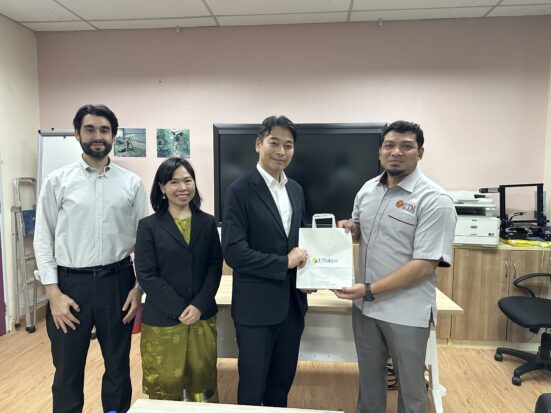
The second research area focuses on a circular economy model for EV batteries. It will examine lifecycle management options, including the reuse of batteries for energy storage and recycling processes to recover valuable materials such as lithium, cobalt and nickel.
The third research area will study the international adoption of circular economy products, including consumer attitudes and the social and economic barriers that may affect the uptake of recycled, upcycled and product-as-a-service models. The findings could help inform strategies to encourage more sustainable consumption in markets such as Malaysia and Japan.
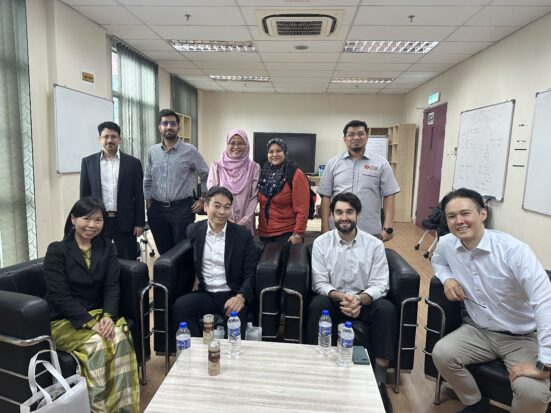
UTM and UTokyo are also exploring potential national and international research funding opportunities to support the collaboration. These include Malaysia Research University Network (MRUN) grants, Japan Society for the Promotion of Science (JSPS) programmes, the Science and Technology Research Partnership for Sustainable Development (SATREPS) and Japan International Cooperation Agency (JICA) grants. These avenues remain funding opportunities under consideration and should not be interpreted as confirmed awards.
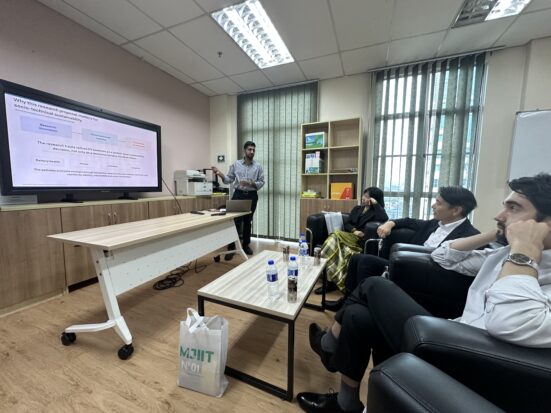
The collaboration aligns with UTM ASCEND 2030 through its focus on international research engagement and sustainability-related innovation. The proposed research could contribute to knowledge development and practical approaches in rare earth element supply chains, EV battery lifecycle management and wider adoption of circular economy products.
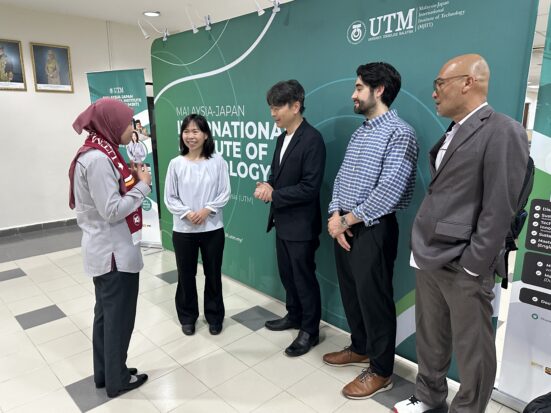
Further details on the implementation of the joint supervision and the status of the research funding initiatives would help clarify the next steps and expected outcomes of the partnership.
