


📝 Summary
Malaysian student Yap Teik Yeong spent three months at the University of Tsukuba in Japan, conducting research on phytoremediation and immersing himself in Japanese culture. The experience allowed him to connect theoretical knowledge with real-world environmental challenges and develop his presentation and communication skills.
When Yap Teik Yeong boarded his flight to Japan for a three-month research mobility programme, he knew he was stepping into a world-class academic environment. Supported by the Japan Science and Technology Agency (JST) under the Nexus Y-TEC programme, he travelled to the University of Tsukuba to join Yamaji Lab. What he did not fully realise was that his time in Japan would become a dual marathon: one involving scientific research in the laboratory, and another involving personal growth and cultural immersion.
The research internship concluded on October 7, wrapping up a 12-week tenure that began on July 13. During this period, Yap experienced how learning beyond the classroom could connect chemical engineering knowledge with environmental research, while also requiring him to adapt to a different academic and cultural setting.
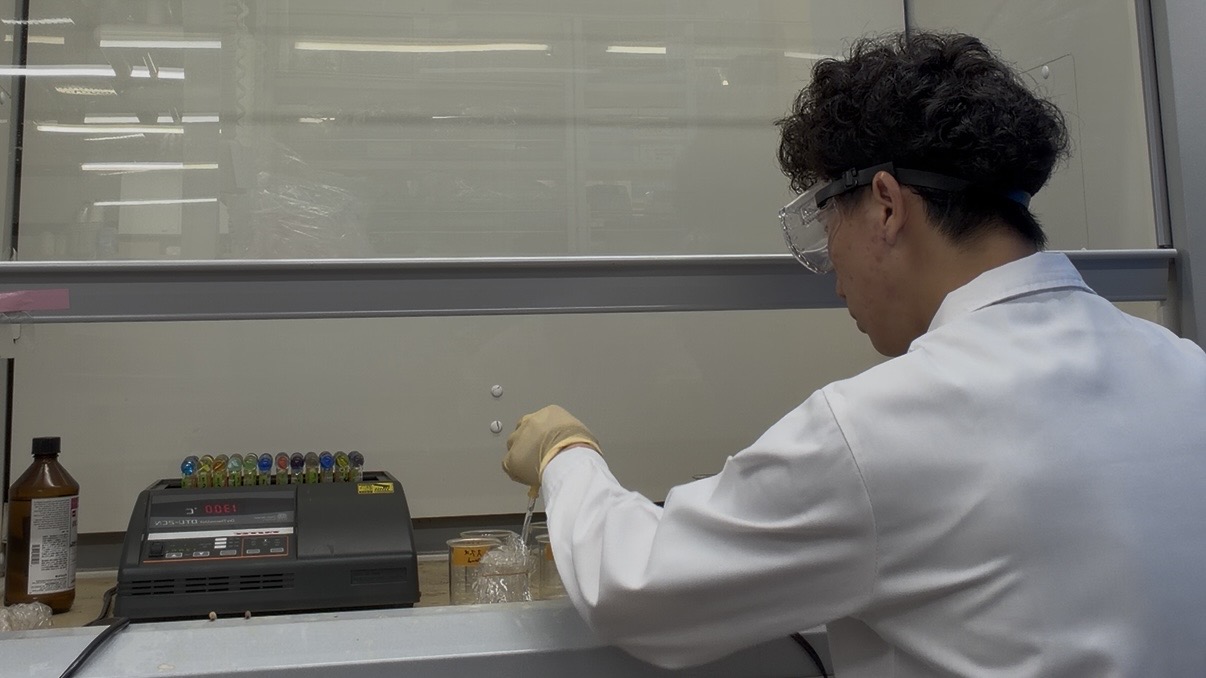
Life in the Lab: Bridging the Gap Between Theory and Fieldwork
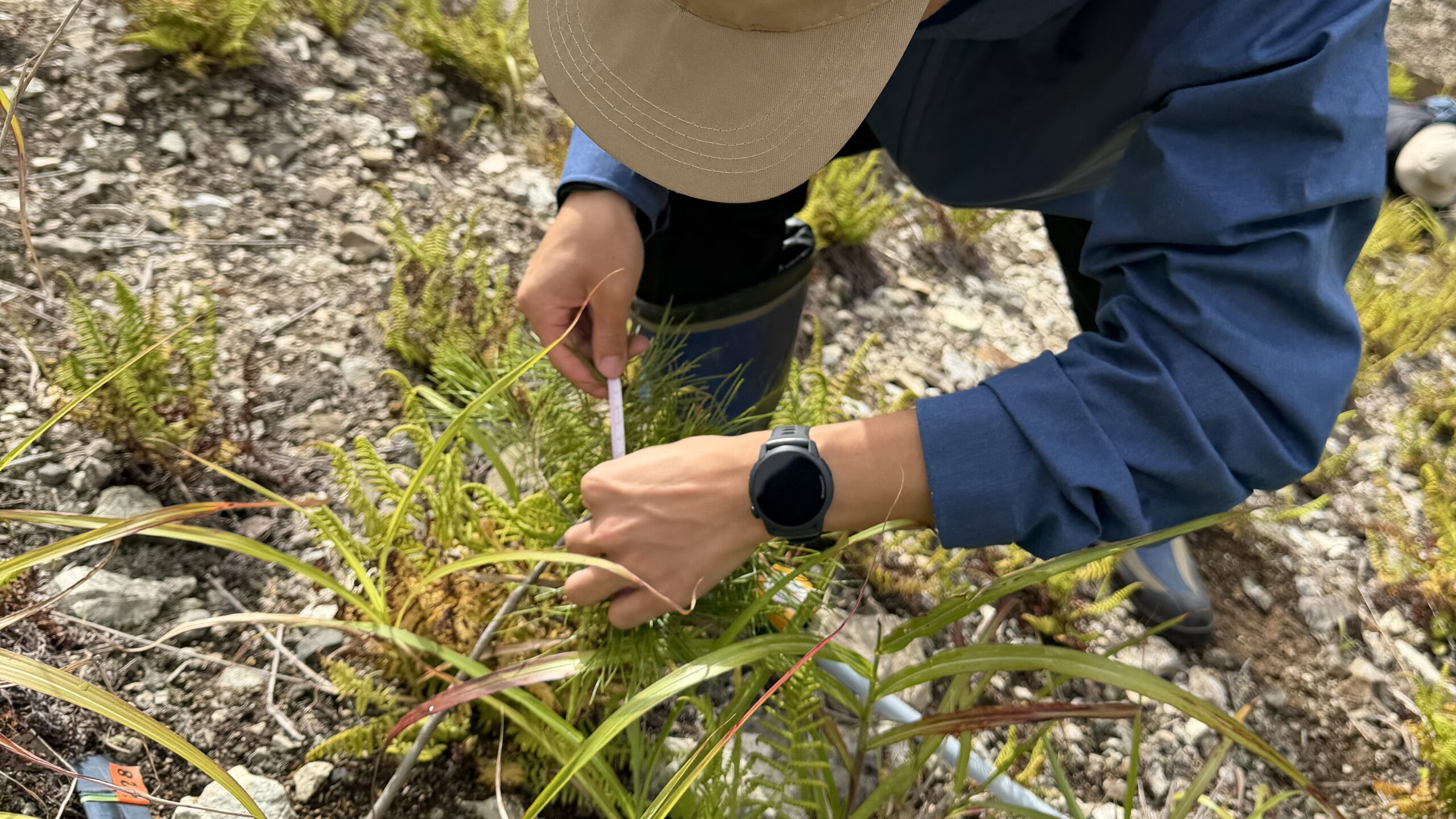
At Universiti Teknologi Malaysia (UTM), students learn the core principles of chemical engineering, but applying them to real-world environmental challenges offers a different kind of learning experience. At Yamaji Lab, Yap’s research focused on phytoremediation, a process that uses plants to help clean up contaminated environments, particularly mine sites in Japan.
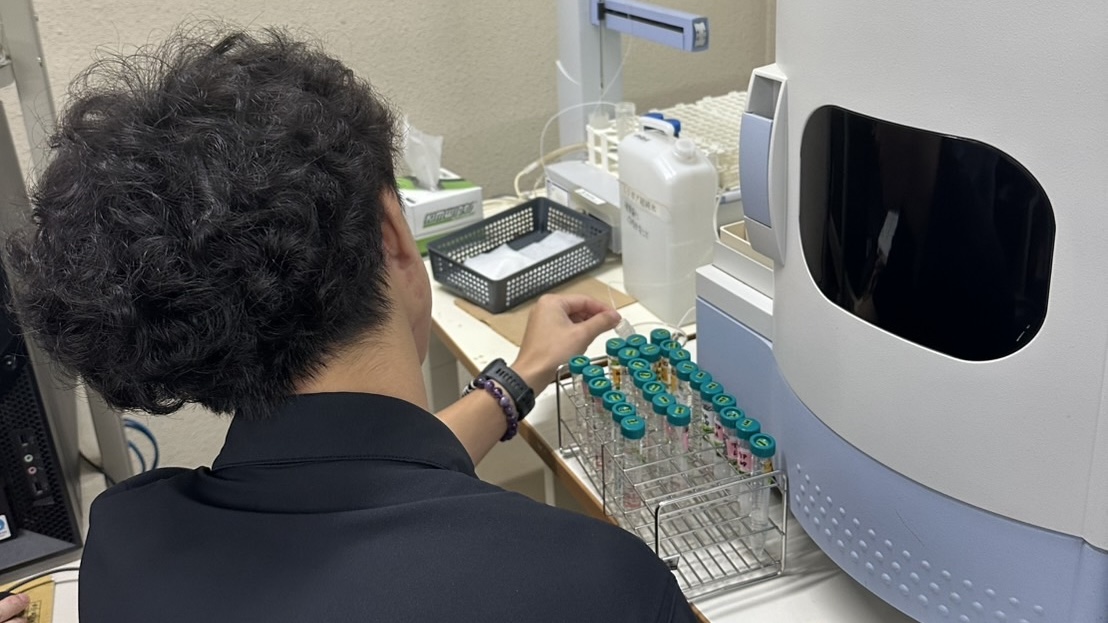
His daily routine combined laboratory work with field activities. He conducted field sampling at mine sites, worked on equipment maintenance planning, and operated advanced analytical instruments, including ICP-OES for elemental analysis and HPLC-DAD and LC-MS for metabolic profiling. These tasks gave him practical exposure to research methods and instruments used to study environmental samples.
The experience also required him to communicate his findings. Yap presented his metabolic profiling data to a joint supervisory panel of Japanese and Malaysian professors. This gave him an opportunity to develop his academic presentation skills, respond to feedback and understand different approaches to research and supervision. Working across cultures also helped him appreciate the importance of clear communication, preparation and flexibility in an international research environment.
A Scientific Pilgrimage
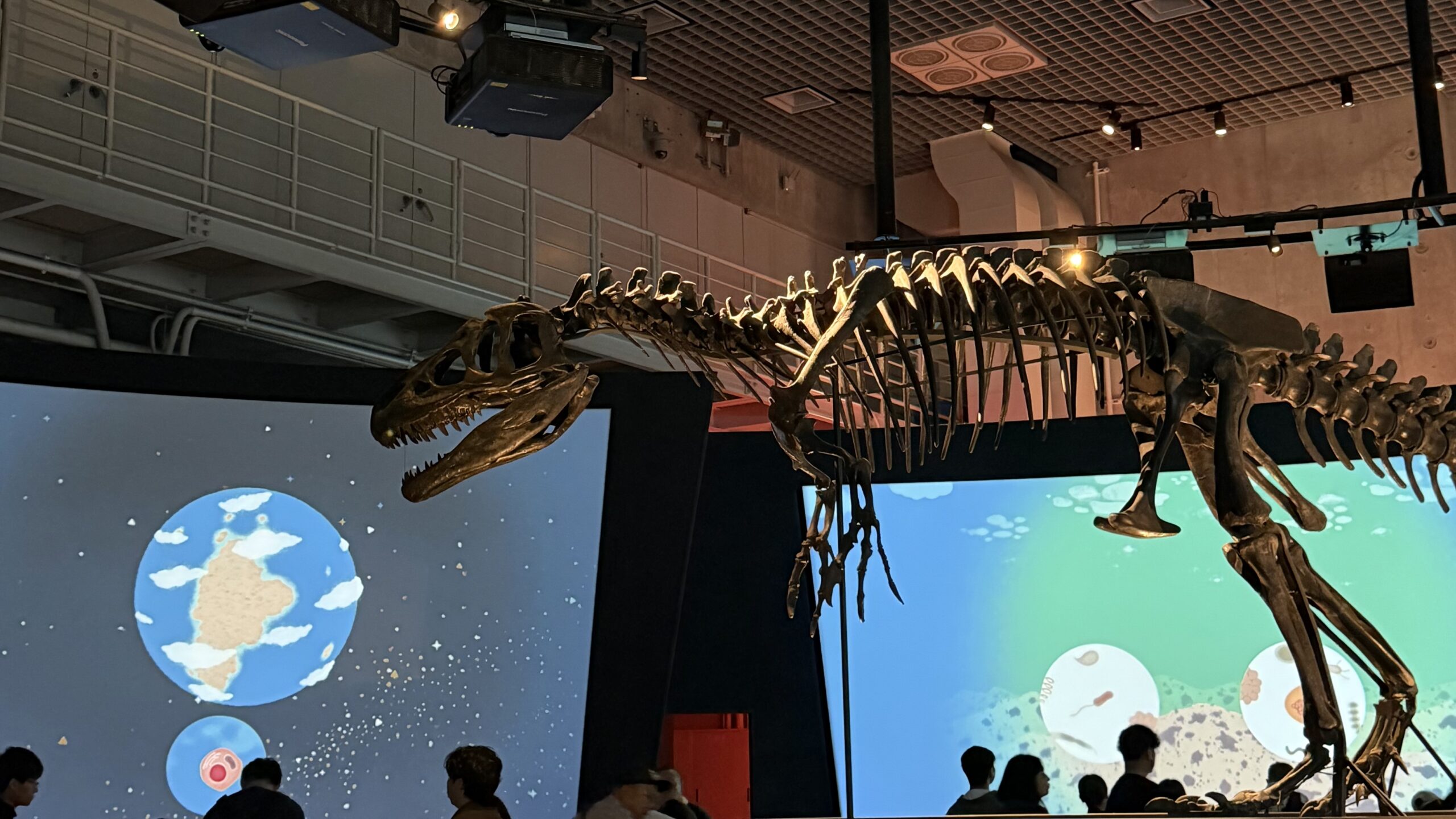
As a chemical engineering student, Yap’s curiosity extended beyond his immediate research project. One of the highlights of his mobility experience was visiting the Super Kamiokande Science Museum. Exploring the exhibits and learning about the science behind Japan’s well-known neutrino observatory offered another perspective on scientific discovery. The visit was a reminder that research can span many fields, and that learning about work beyond one’s own specialisation can broaden an engineering student’s perspective.
He also visited the National Museum of Nature and Science in Tokyo, where he explored exhibits related to Japan’s natural history and technological development. These visits complemented his laboratory experience by giving him opportunities to engage with science in a wider context and reflect on the role of research and innovation in society.

Beyond the Bench: Embracing Japanese Culture
Adapting to life in Japan meant stepping outside Yap’s comfort zone. Alongside his research commitments, he made an effort to experience local culture and everyday life rather than limiting his stay to the laboratory.
His experiences included visiting an outdoor hot spring in 15°C weather and sleeping on futons in a traditional tatami room. He joined the local community at the Utsunomiya Fireworks Festival and independently navigated Japan’s railway network for a three-day, two-night trip to Kamakura and Enoshima. Everyday activities, such as taking the bus and trying Japanese dishes including tempura, sushi and yakiniku, also became opportunities to learn.
These experiences called for planning, patience and confidence in unfamiliar situations. From managing daily transport to adapting to different living arrangements, Yap learned that living abroad involves more than adjusting to a new workplace. It also means being willing to learn from ordinary situations and finding ways to manage challenges independently.
The Dual Marathon
Balancing research with cultural exploration required discipline. Yap’s time abroad also marked a personal milestone: celebrating his birthday for the first time away from home. He used his phone to document daily commutes, video footage and everyday moments, capturing different parts of his experience beyond the laboratory.
Looking Forward
Yap’s three months in Japan strengthened his independence and gave him new perspectives on his academic and professional development. He expressed his gratitude to JST for funding the opportunity, his host supervisor, Prof. Keiko Yamaji, for her guidance, and his academic supervisor at the Malaysia-Japan International Institute of Technology (MJIIT), Prof. Ir. Dr. Muhamad Ali Muhammad Yuzir, and the University of Tsukuba coordinator, Assoc. Prof. Yoshiaki Maeda, for helping make the mobility programme possible.
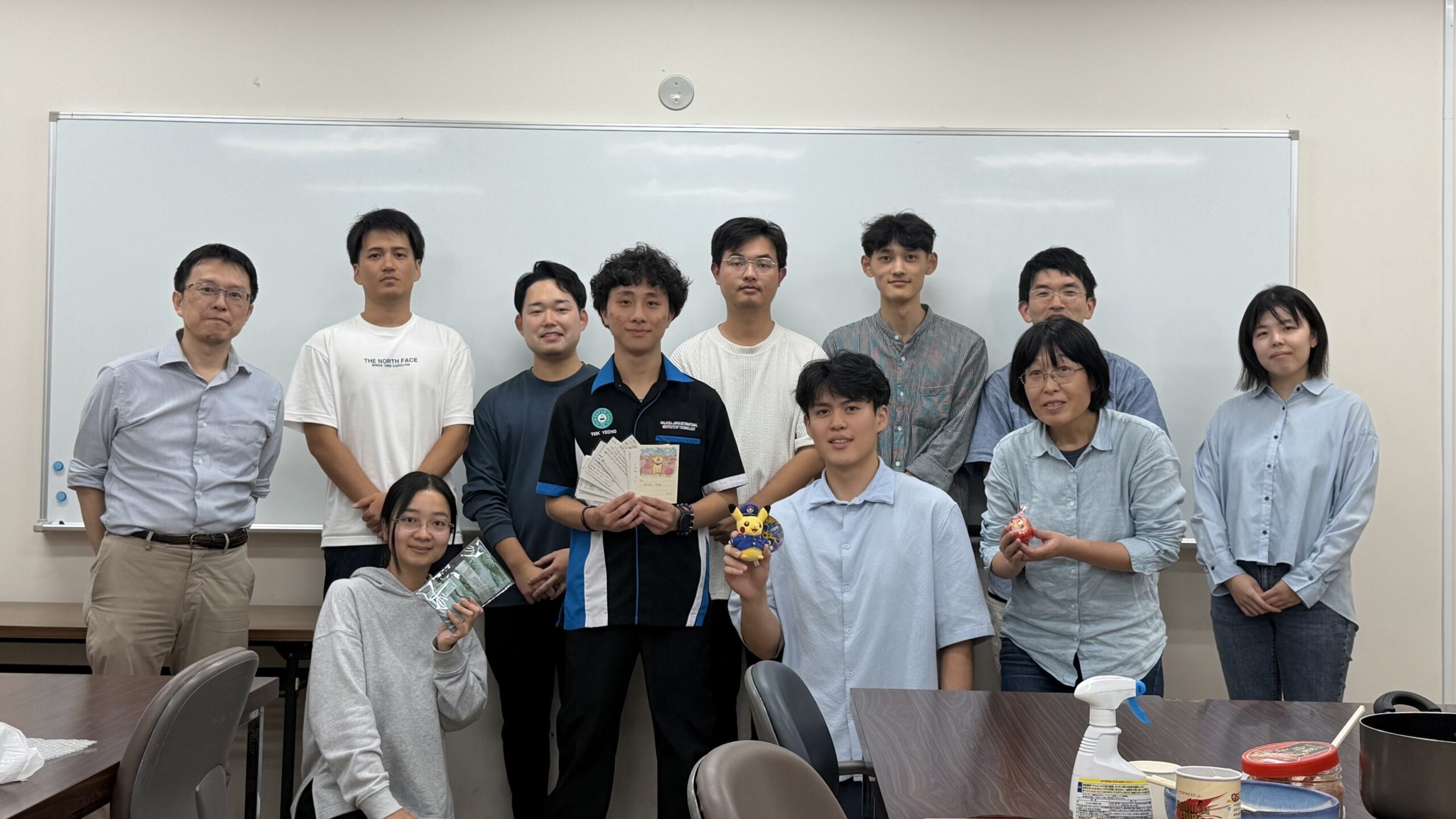
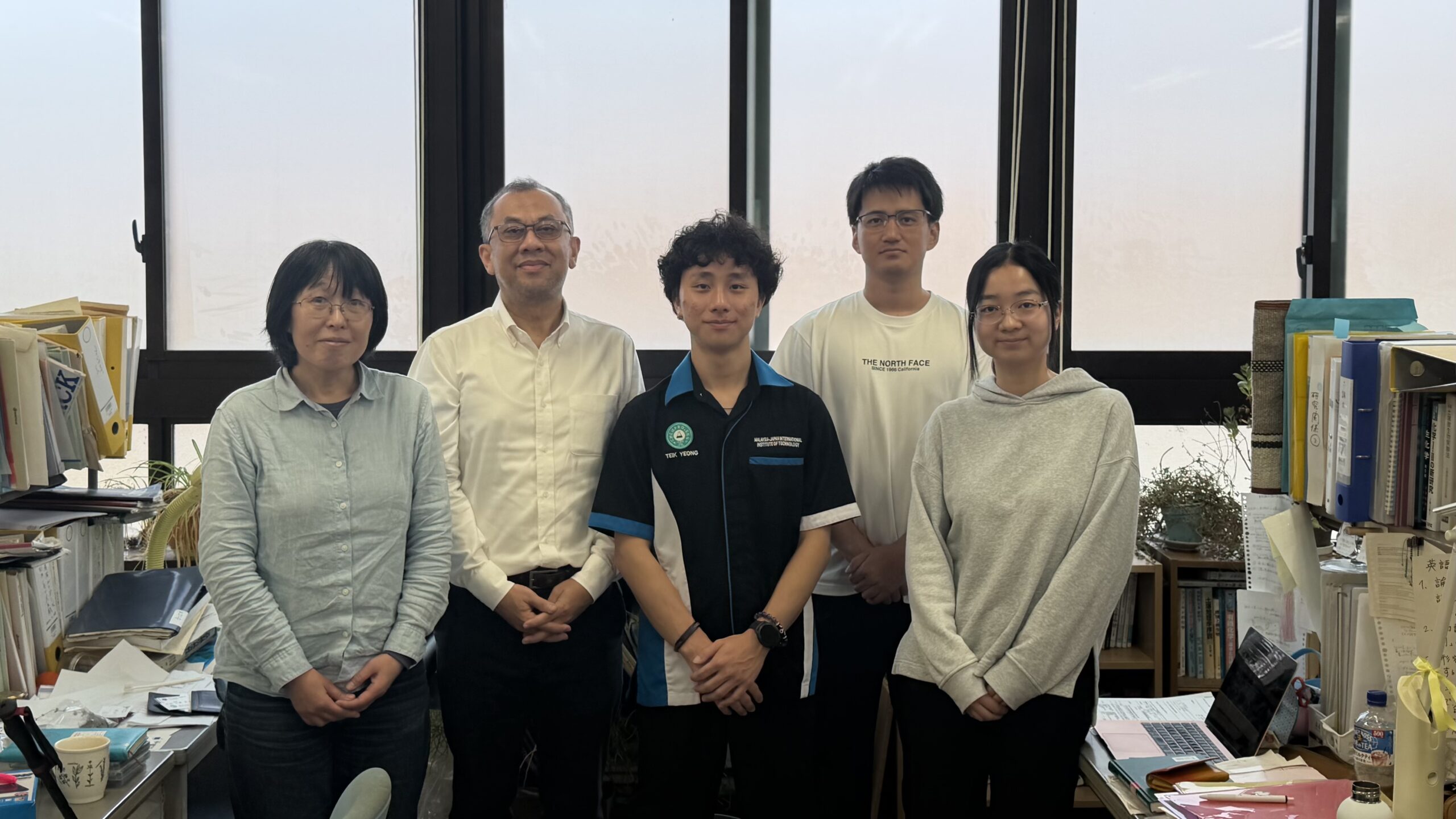
Yap’s experience highlights how an international mobility programme can bring together research training, academic exchange and personal development. For students considering a similar opportunity, his advice is simple: if the chance to take part in a mobility programme comes along, take it. Navigating a new laboratory, a foreign language and a different culture may be challenging, but these experiences can encourage students to grow in ways they may not expect.
By Yap Teik Yeong, third-year Chemical Process Engineering Student, Malaysia-Japan International Institute of Technology (MJIIT), UTM
