


📝 Summary
Eunice Tan Yue Xuan, a student at the Malaysia-Japan International Institute of Technology, completed an industrial training at Academia Sinica in Taiwan, where she gained hands-on experience in electrochemical energy storage and supercapacitor technology. The internship allowed her to develop technical competencies, analytical thinking, and problem-solving skills, while also broadening her understanding of international research culture and collaboration. The experience will serve as a strong foundation for her future academic and professional pursuits.
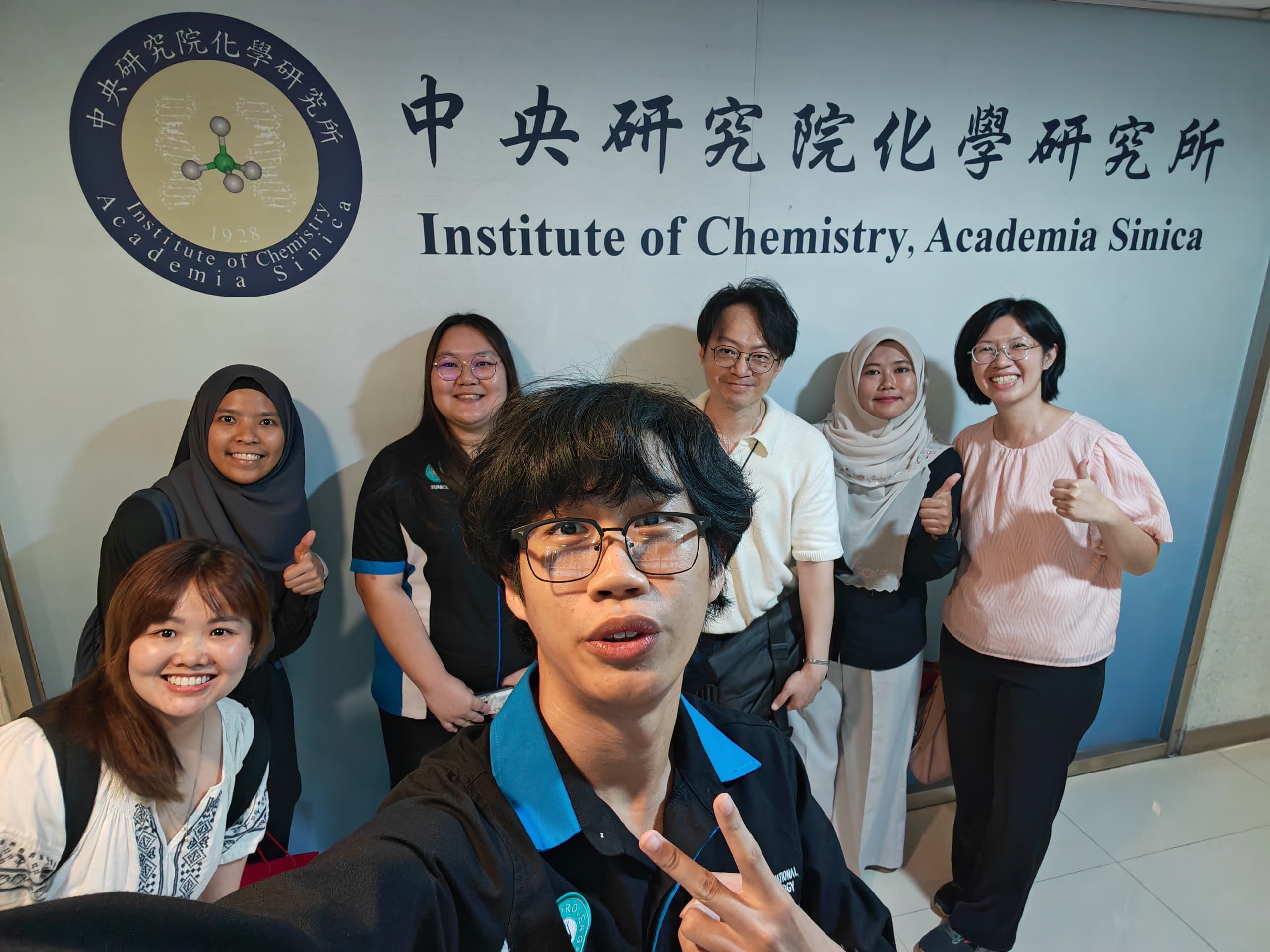
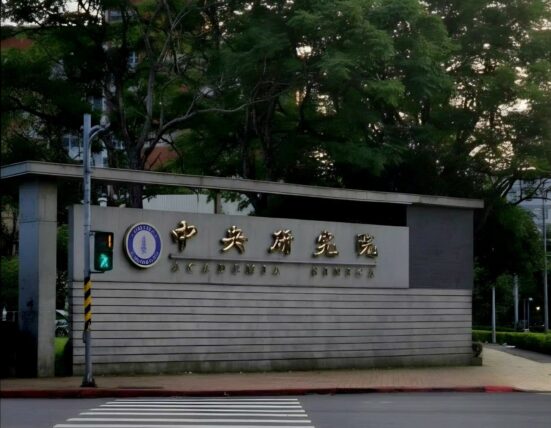
As part of the Bachelor of Chemical Process Engineering with Honours programme at the Malaysia-Japan International Institute of Technology (MJIIT), Universiti Teknologi Malaysia (UTM), Eunice Tan Yue Xuan recently completed her industrial training at the Institute of Chemistry, Academia Sinica, Taiwan, from 13 July to 2 October 2026.
Academia Sinica is Taiwan’s premier research institution and one of the leading research organisations in Asia. During her internship, Eunice joined the research group led by Principal Investigator and Research Fellow at the Institute of Chemistry, Academia Sinica, Dr. Hung-Ju Yen. The opportunity provided valuable exposure to cutting-edge research in electrochemical energy storage and supercapacitor technology, allowing her to experience a professional research environment beyond the classroom.
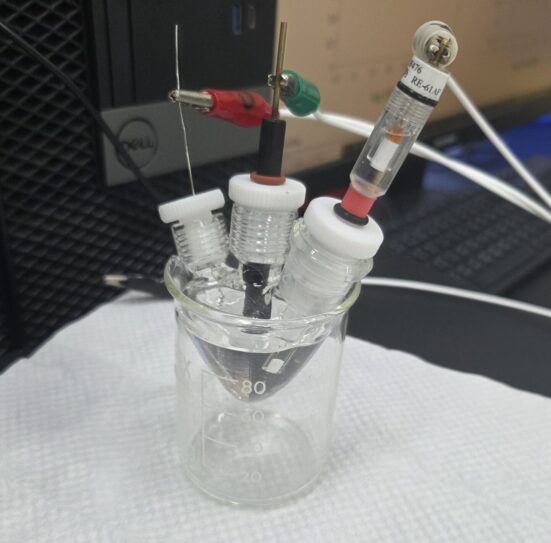
Throughout the internship, Eunice was involved in a research project focusing on the fabrication and electrochemical characterisation of electrode materials for supercapacitor applications. Her responsibilities included preparing electrode materials, fabricating working electrodes, conducting electrochemical experiments, and analysing research data. The project enabled her to gain practical experience in advanced electrochemical techniques, including Cyclic Voltammetry (CV), Galvanostatic Charge-Discharge (GCD), and Electrochemical Impedance Spectroscopy (EIS).
In addition to laboratory experimentation, Eunice learned how scientific research is conducted in a world-class research institution. Unlike university laboratory classes that often have predetermined outcomes, research projects require continuous investigation, troubleshooting, and optimisation. Experimental results frequently required further analysis and repeated testing before meaningful conclusions could be drawn. Through this process, she developed stronger analytical thinking, problem-solving abilities, and resilience when dealing with unexpected challenges.
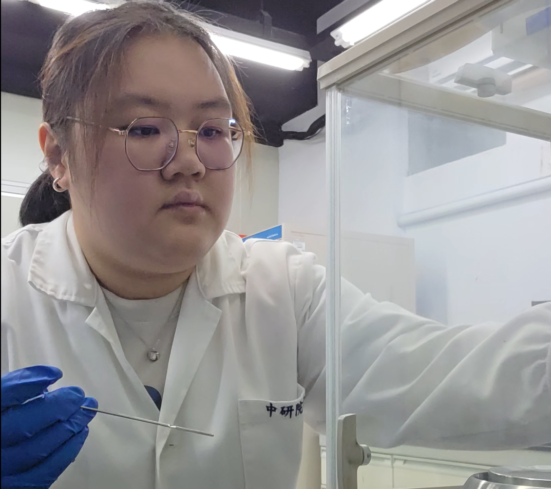
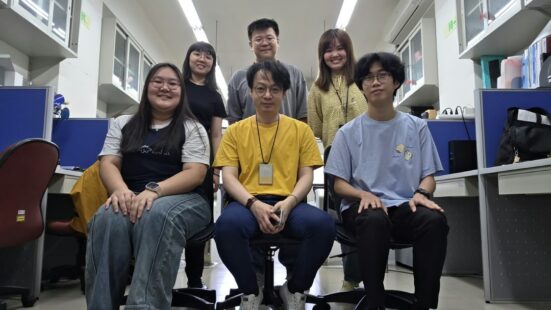
A significant aspect of the internship was the opportunity to work closely with researchers and students from different academic and cultural backgrounds. Through daily discussions, laboratory meetings, and collaborative activities, Eunice was exposed to an international research culture that emphasised critical thinking, scientific communication, and teamwork. The experience broadened her understanding of how research projects are managed and executed in a multidisciplinary environment.
The internship also allowed her to develop a range of technical competencies relevant to both research and industry. These included electrode fabrication techniques, electrochemical testing procedures, scientific data analysis using OriginPro software, and interpretation of electrochemical performance data. Such skills complement the knowledge gained through her Chemical Process Engineering curriculum and demonstrate the interdisciplinary nature of modern engineering research.
Beyond the laboratory, living in Taiwan for nearly three months provided valuable opportunities for personal growth and cultural exchange. As an international intern, Eunice experienced Taiwanese culture, local cuisine, and daily life while adapting to a new environment. The experience strengthened her independence, adaptability, and confidence, which are essential qualities for future engineers and researchers working in increasingly globalised environments.
The internship further reinforced the relevance of Chemical Process Engineering in emerging research areas such as advanced materials and sustainable energy technologies. By applying engineering principles to scientific research, Eunice gained a deeper appreciation of how chemical engineers can contribute to solving global challenges related to energy storage and sustainability.
More broadly, the experience demonstrates how international industrial training can extend engineering education beyond conventional classroom and laboratory settings. Exposure to a research-intensive environment enabled Eunice to connect academic knowledge with practical experimentation while developing a clearer understanding of the discipline’s application in emerging areas. The combination of technical training, research exposure, international collaboration, and cultural immersion also highlights the value of opportunities that prepare students for academic and professional environments beyond Malaysia.
Reflecting on the experience, Eunice described the internship as one of the most meaningful learning opportunities throughout her undergraduate studies. The experience not only strengthened her interest in energy storage research but also broadened her perspective on potential career pathways in research and development.
Eunice expressed her sincere appreciation to the Principal Investigator and Research Fellow at the Institute of Chemistry, Academia Sinica, Dr. Hung-Ju Yen, as well as the Research Assistant in Dr. Yen’s research group, Li Chen, and all laboratory members for their guidance, mentorship, and support throughout the internship. She also conveyed her gratitude to UTM and MJIIT for providing students with opportunities to gain international exposure and practical experience through industrial training programmes.
The knowledge, skills, and experiences gained at Academia Sinica will serve as a strong foundation for Eunice’s future academic pursuits and professional development. The internship stands as a testament to the value of international research exposure in preparing engineering students for the challenges and opportunities of the future.