


📝 Summary
Malaysia’s preparations for a Domestic Emissions Trading Scheme (DETS) have taken a significant step forward with the demonstration of two decision-support tools and the official handover of the project’s outputs to the Ministry of Natural Resources and Environmental Sustainability. The tools, an ETS Threshold Calculator and a Carbon Border Adjustment Mechanism (CBAM) Viability and Liability Assessment Tool, will support regulators and businesses in testing real scenarios and understanding potential impacts of emerging carbon-market requirements. The project’s outputs will help Malaysia evaluate future carbon-pricing pathways and prepare its industries for an increasingly carbon-conscious global economy.
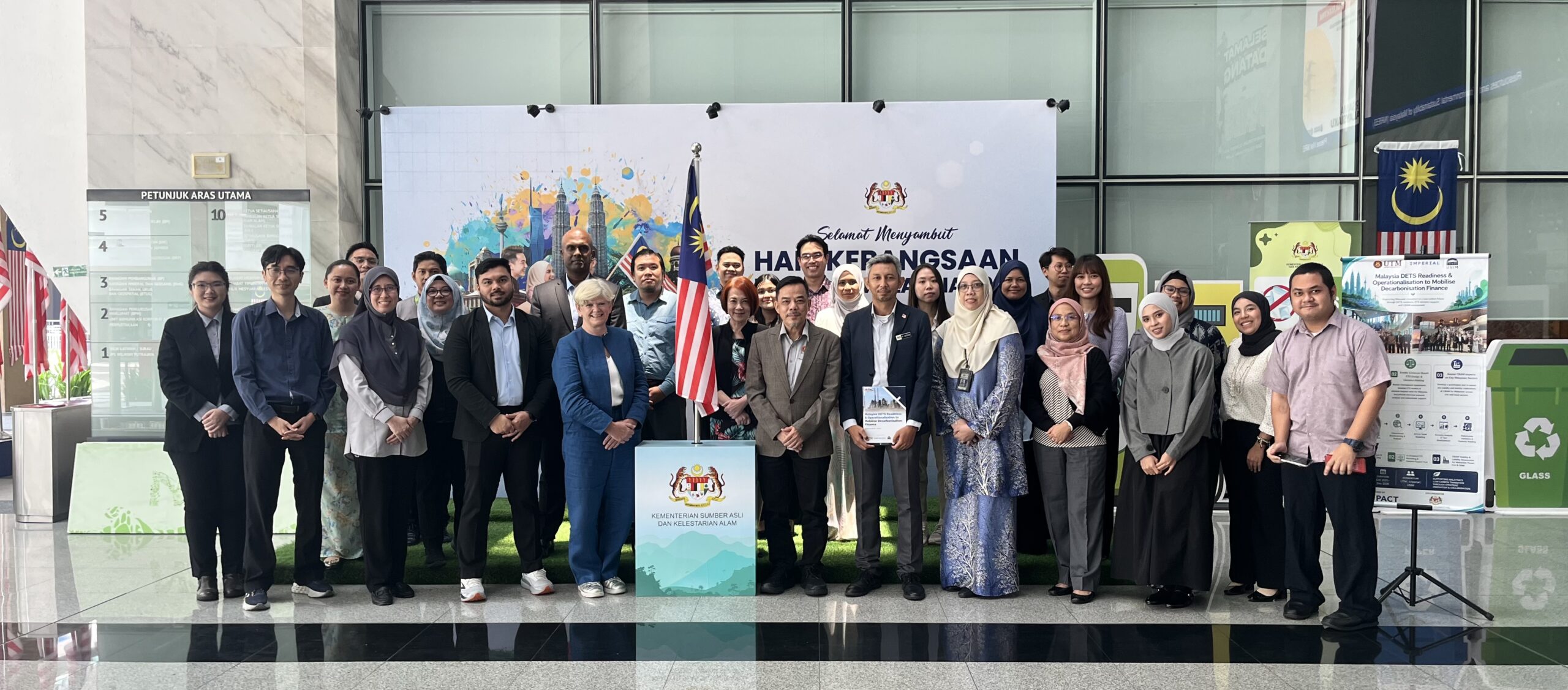
KUALA LUMPUR, Sept 7 – Malaysia’s preparations for a future Domestic Emissions Trading Scheme (DETS) took an important step towards practical application with the demonstration of two decision-support tools and the official handover of the project’s outputs to the Ministry of Natural Resources and Environmental Sustainability (NRES).
The milestone marked the culmination of the Malaysia DETS Readiness and Operationalisation to Mobilise Decarbonisation Finance project, a UK Partnering for Accelerated Climate Transition (UK PACT)-supported initiative led by Universiti Teknologi Malaysia (UTM), in collaboration with independent experts from Imperial College London through Imperial Consultants and Universiti Sains Islam Malaysia (USIM).
Held at NRES in hybrid mode, the event brought together Workshop 4 on the Emissions Trading Scheme (ETS) Threshold Calculator Tool and Workshop 5 on the Carbon Border Adjustment Mechanism (CBAM) Viability and Liability Assessment Tool.
More than simply presenting concepts, the workshops demonstrated how the two tools can support regulators and businesses in testing real scenarios, understanding potential impacts and preparing for emerging carbon-market requirements.
The event represented the latest stage of a journey that began with government engagement, industry consultation and international knowledge sharing. In March, the project brought together government and cross-ministerial stakeholders to explore Malaysia’s readiness for emissions trading, followed by industry dialogue in April. In May, the Global ETS Roundtable connected Malaysian stakeholders with international experience.
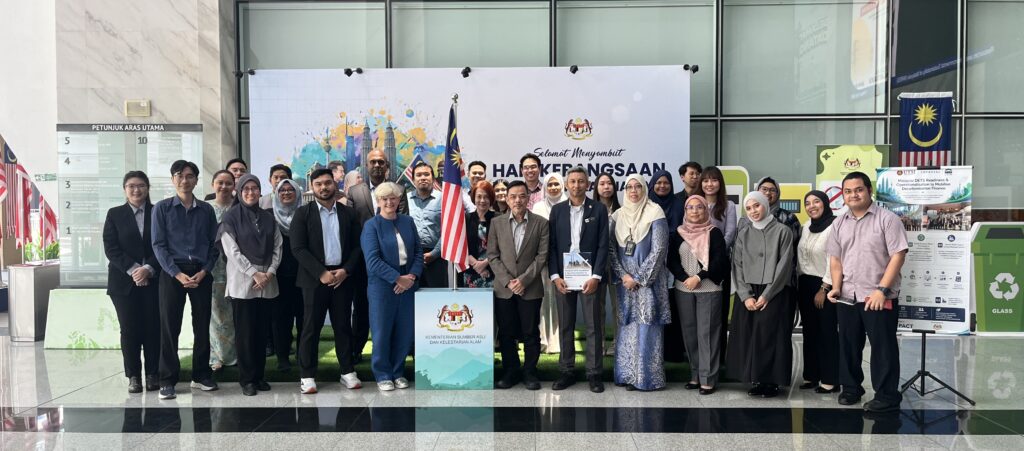
Opening the event, Ahmad Farid Mohammed, Undersecretary of the Climate Change Division at NRES, highlighted the practical role of the tools in supporting Malaysia’s carbon-market preparations.
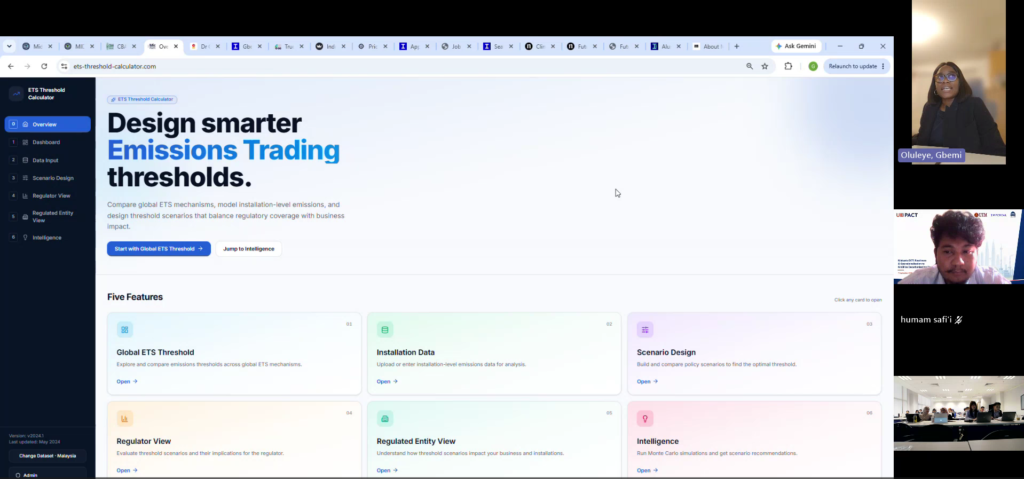
During Workshop 4, Assoc. Prof. Dr Gbemi Oluleye of Imperial College London demonstrated the ETS Threshold Calculator Tool, which enables users to explore how different emissions thresholds could influence the design and coverage of a Malaysian ETS, including installations covered, emissions brought within the scheme, administrative burden and potential auction revenue.
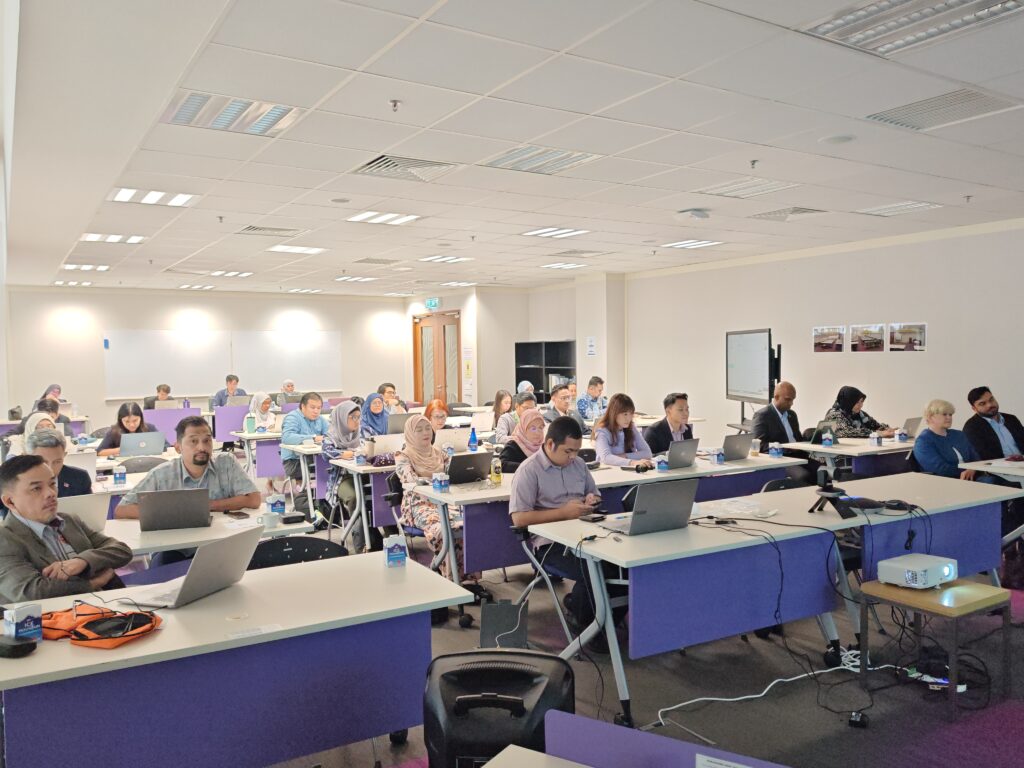
Workshop 5 focused on Malaysia’s exposure to international carbon regulation, particularly the European Union Carbon Border Adjustment Mechanism (CBAM). The CBAM Viability and Liability Assessment Tool integrates trade information with relevant EU methodologies to help users estimate potential exposure, embedded emissions and carbon-related liabilities through 2034.
The tool covers iron and steel, aluminium, cement, fertilisers, hydrogen and electricity and allows verified company-specific information to be used for further analysis.
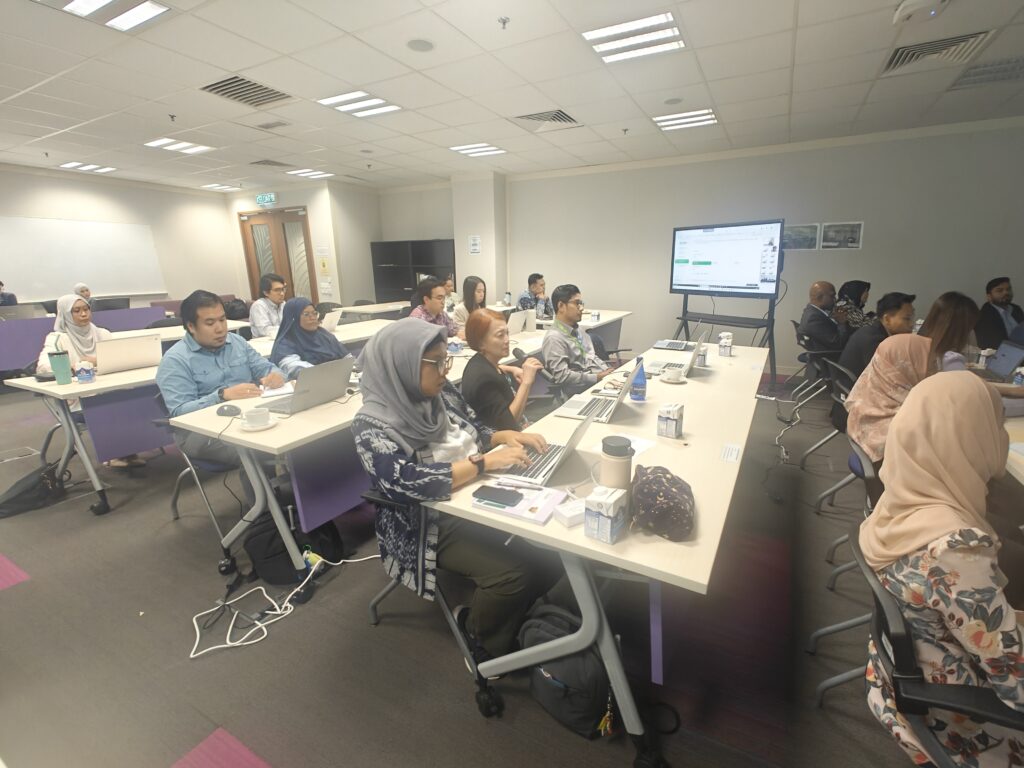
In her closing remarks, Marie-Claire Joyce, Growth and Economic Counsellor at the British High Commission, emphasised that early preparation could offer Malaysian companies benefits beyond regulatory compliance.
“For Malaysian industry, understanding these developments early can be a source of competitive advantage rather than simply a compliance exercise.”
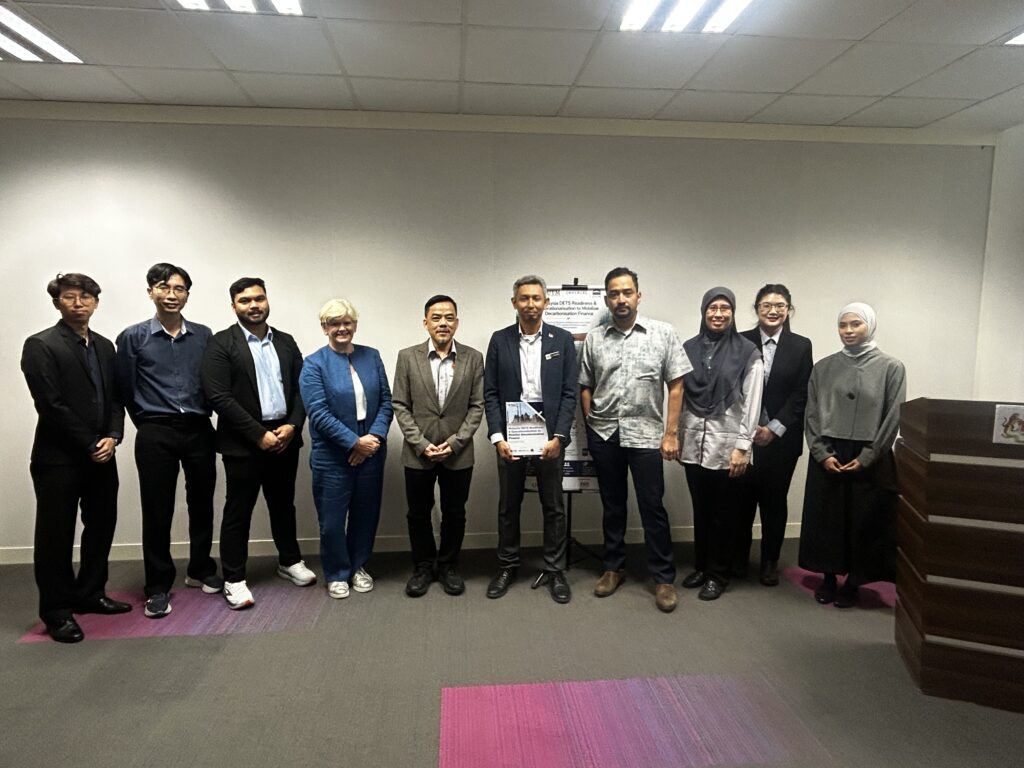
The programme culminated in the formal handover of the project outputs, with Prof. Ir. Ts. Dr. Zainuddin Abd Manan presenting the completed project report to Dr. Mohd Hafdzuan Adzmi of NRES. The handover was witnessed by Marie-Claire, representing the British High Commission and UK PACT as the project funder.
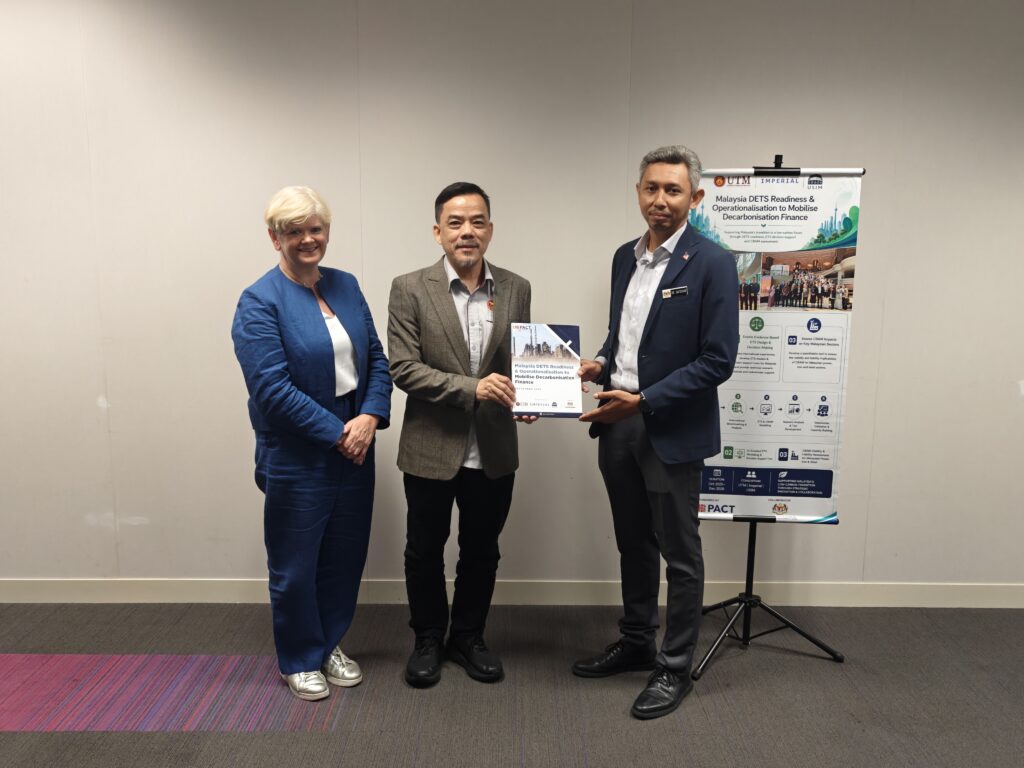
The handover marked the completion of the project and placed its knowledge, analytical framework and practical tools in the hands of stakeholders to support future decisions on Malaysia’s carbon-pricing pathways.
