





📝 Summary
International students from Universiti Teknologi Malaysia (UTM) participated in an edutourism programme, XCape Taman Negara 2026, which transformed a national park into a living classroom. The programme combined experiential learning, cultural immersion, and outdoor adventure, allowing students to learn from local guides and communities. The programme contributed to several United Nations Sustainable Development Goals, including quality education, reduced inequalities, and sustainable cities and communities.
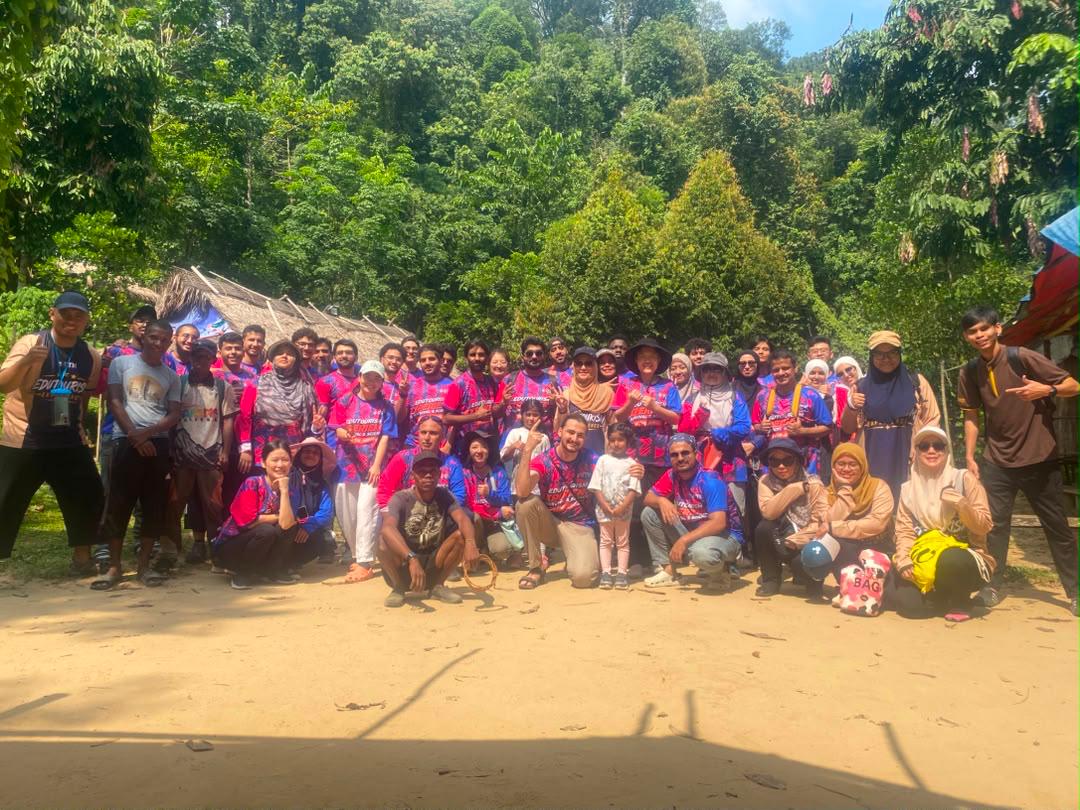
KUALA TAHAN, Aug 23 – International students from Universiti Teknologi Malaysia (UTM) stepped beyond the conventional classroom and into the rainforest through XCape Taman Negara 2026: Survival, Science and Adventure, an edutourism programme held from 21 to 23 August 2026.
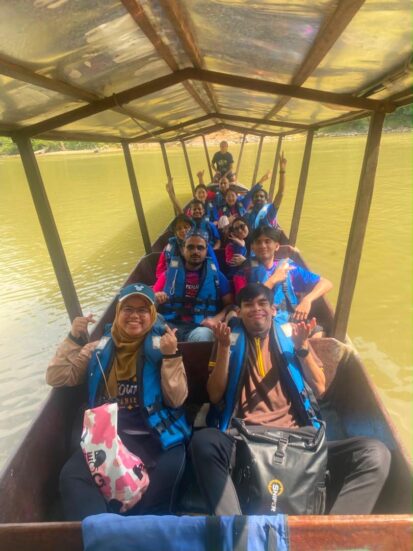
Organised by UTM International Kuala Lumpur, the three-day programme combined experiential learning, cultural immersion and outdoor adventure, with an emphasis on learning directly from local communities and experienced National Park guides. Set in Kuala Tahan, Jerantut, Pahang, the programme transformed the rainforest, river and surrounding communities into a living learning environment.
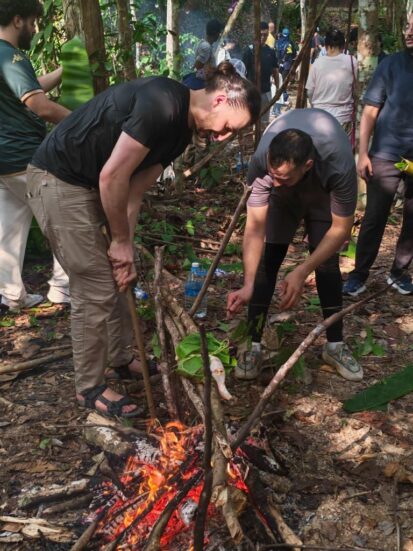
A central feature of XCape Taman Negara 2026 was knowledge transfer from local guides. Students were introduced to practical rainforest survival skills, including survival cooking, resourcefulness in an outdoor environment and ways of adapting to conditions far removed from everyday urban life. The activities required students to communicate, cooperate and solve problems collectively, developing resilience, confidence and teamwork through direct experience.
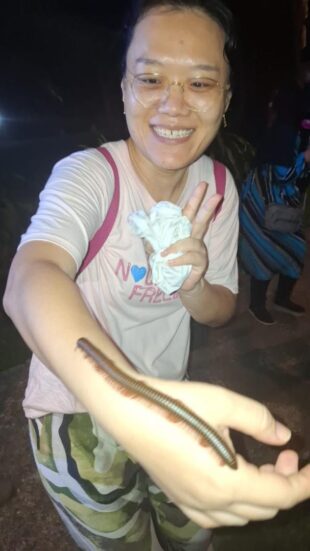
The learning continued through a guided night jungle experience, giving students an opportunity to observe the rainforest from a different perspective while learning about its environment and biodiversity from those familiar with the landscape.
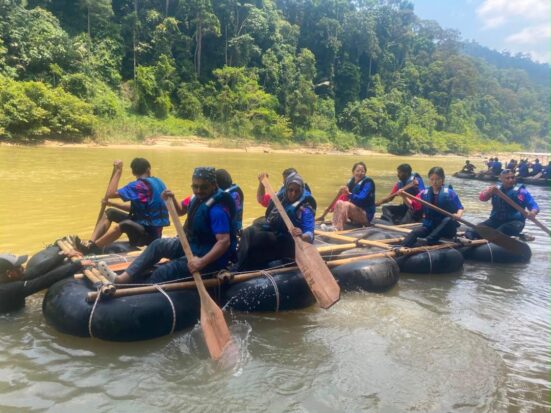
The river provided another classroom through water confidence activities, bamboo rafting and rapid shooting. Students were challenged to adapt to a dynamic natural environment while following instructions from experienced local guides. The experience required trust, communication and collective responsibility.
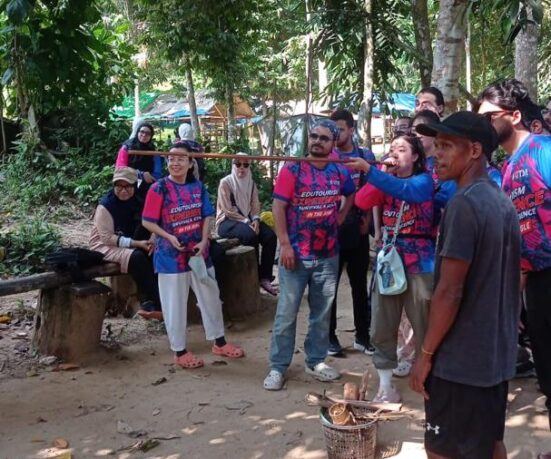
One of the most significant elements of the programme was the students’ engagement with the Batek Orang Asli community, creating an important space for intercultural learning. Students had an opportunity to engage with members of the community and gain greater appreciation of indigenous culture, traditional practices and the close relationship between people and the rainforest.
The cultural experience continued in Temerloh, where students experienced the atmosphere of a traditional morning market. The visit exposed participants to local food, fresh produce, traders and the social rhythm of a Malaysian market community, broadening the learning journey beyond the rainforest to everyday local life.
XCape Taman Negara 2026 reflects a broader vision of international student engagement in which Malaysia itself becomes part of the learning environment. Internationalisation is not confined to bringing students from different countries into the same university, but also involves meaningful opportunities to engage with the society, communities, cultures and environments of the host country.
The programme also demonstrated the potential of edutourism to connect internationalisation, experiential education, community engagement and cultural understanding within a single student experience.
Through direct exposure to local communities, indigenous knowledge and the natural environment, XCape Taman Negara 2026 contributed to Sustainable Development Goal (SDG) 4 (Quality Education) by promoting experiential learning, SDG 10 (Reduced Inequalities) through intercultural engagement, SDG 11 (Sustainable Cities and Communities) by fostering appreciation of local communities and heritage, SDG 15 (Life on Land) through environmental awareness, and SDG 17 (Partnerships for the Goals) through collaboration between UTM, local guides and the Batek community.
These encounters transformed a three-day journey into a multidimensional learning experience and showed that some of the most memorable learning happens beyond the classroom.
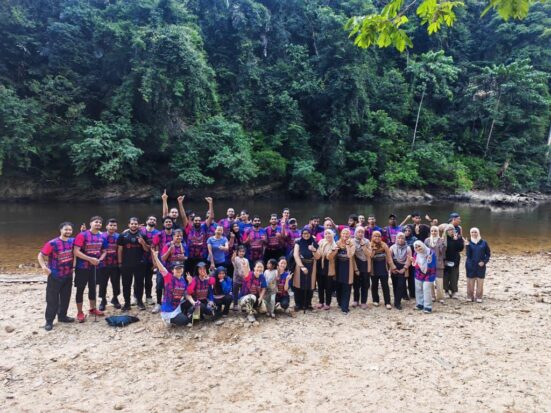
Malaysia became the classroom. Local communities became knowledge partners. Experience became the lesson.
Prepared by Wan Abdul Azim Wan Ahmad and Assoc. Prof. Ts. Dr. Nur Azaliah Abu Bakar
