


📝 Summary
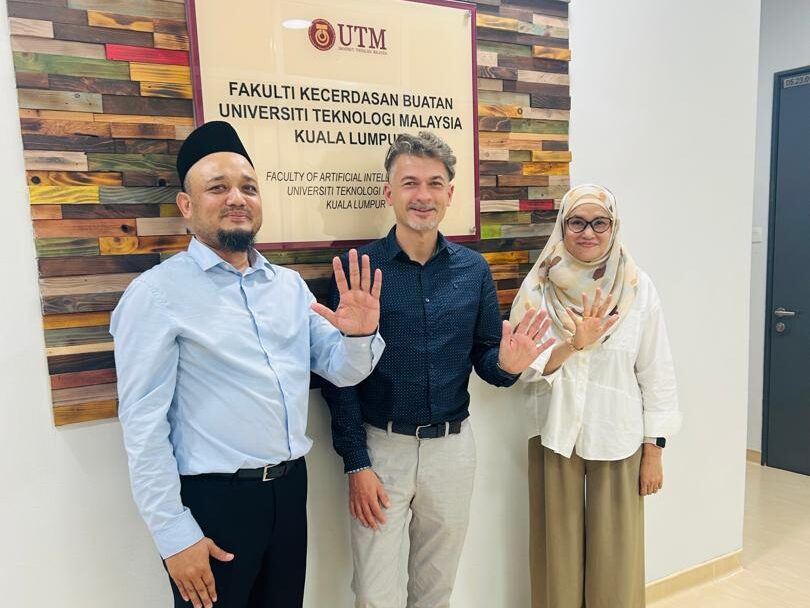
Universiti Teknologi Malaysia (UTM) has strengthened its global research collaboration and mobility through the European Union’s Horizon Europe program, connecting with leading institutions in Europe and other partner countries. The program enables researchers to access advanced research facilities, expertise, and international networks, facilitating knowledge sharing, collaborative research, and researcher mobility. UTM’s participation in Horizon Europe has expanded its research network, enhanced researcher mobility, and established sustainable collaborations with international institutions.
Horizon Europe is the European Union’s flagship research and innovation programme, promoting scientific excellence, technological advancement and international collaboration. It connects universities, research institutions, industries and global partners to address key scientific, technological and societal challenges. The programme supports collaborative research, researcher mobility, knowledge and technology transfer, training, networking and international secondments.
Through Horizon Europe, researchers gain access to specialised expertise, advanced research facilities, and extensive international networks. For Universiti Teknologi Malaysia (UTM), participation provides a strategic platform to strengthen global partnerships, enhance researcher mobility, increase research impact and establish sustainable collaborations with leading institutions in Europe and other partner countries.
Knowledge Sharing
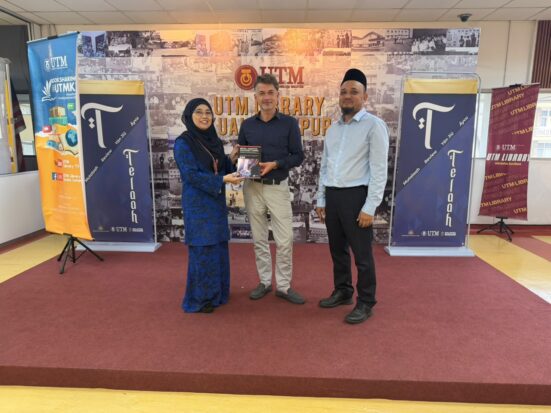
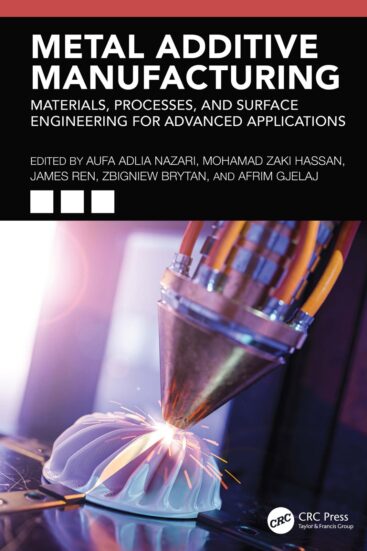
Knowledge sharing is a key element of the collaboration, enabling the continuous exchange of academic expertise, research knowledge and technical experience among project partners and consortium members. As part of this initiative, a book handover and knowledge-sharing activity was held, symbolising the commitment of the participating institutions to knowledge dissemination and the strengthening of international academic and research partnerships.
The book, Metal Additive Manufacturing: Materials, Processes and Surface Engineering for Advanced Applications, offers an in-depth look at the rapidly evolving field of metal additive manufacturing (AM). It highlights the important relationships between materials, manufacturing processes, microstructural evolution, surface characteristics and the resulting mechanical and functional performance of additively manufactured components.
The book covers key metal AM technologies, including powder bed fusion (PBF), directed energy deposition (DED), and other advanced manufacturing processes. Particular attention is given to critical processing parameters, including laser power, scanning speed, energy density, layer thickness, build orientation and thermal history, which influence material consolidation, microstructure, process-induced defects, residual stresses and mechanical properties.
Beyond serving as an academic reference, this knowledge-sharing initiative supports collaborative research, postgraduate development, researcher secondments and knowledge transfer among Horizon Europe consortium partners, contributing to the advancement of metal additive manufacturing and its future engineering applications.
Networking and Research Collaboration
As part of the international research engagement, a networking session was organised with Taylor’s College to explore potential opportunities for academic and research collaboration. The session provided a valuable platform for researchers to exchange ideas, share expertise, and discuss potential collaborative initiatives in artificial intelligence, advanced materials, additive manufacturing and emerging technologies.
The engagement also expanded the research network beyond the existing Horizon Europe consortium by strengthening connections with local academic institutions. Discussions explored opportunities for joint research activities, knowledge-sharing programmes, student and researcher engagement, technical workshops and future collaborative projects.
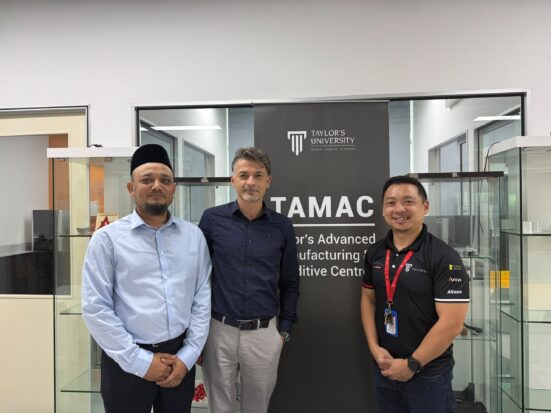
Such networking activities are important for creating new connections between local and international researchers and developing sustainable multidisciplinary partnerships that can lead to future research, innovation and mobility initiatives.
Secondment and Research Activities
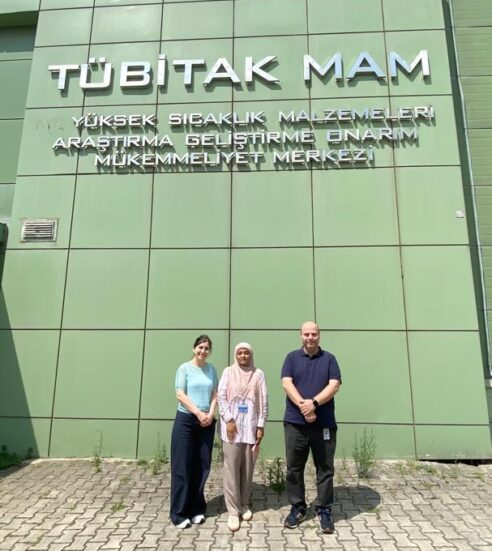
The research secondment at TÜBİTAK Marmara Research Center (TÜBİTAK MAM), Türkiye, represents an important component of the Horizon Europe collaboration. The programme enables researchers to work closely with TÜBİTAK experts and gain access to advanced research facilities for materials characterisation and additive manufacturing.
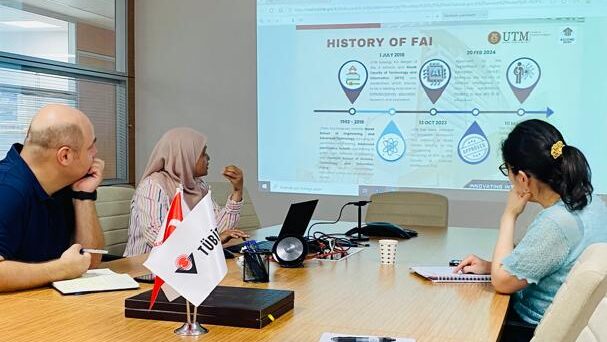
Activities include laboratory visits, technical discussions, sample preparation, and advanced microstructural characterisation using techniques such as scanning electron microscopy (SEM), electron backscatter diffraction (EBSD), and X-ray diffraction (XRD). These activities provide valuable opportunities to exchange research methodologies, develop technical expertise and generate high-quality experimental data.
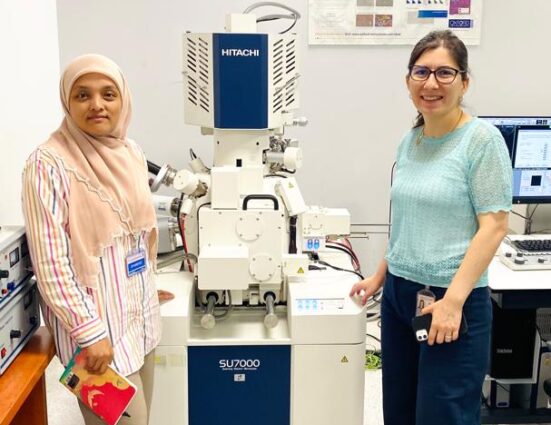
The secondment also facilitates knowledge and technology transfer between UTM and TÜBİTAK MAM, while creating opportunities for joint publications, future research projects, and long-term international collaboration. Through researcher mobility and shared expertise, the programme strengthens both institutional relationships and the overall research capacity of the Horizon Europe consortium.
What’s Next?
Building on these activities, the next consortium meeting in Türkiye will bring together partners from AMAZEMET, TÜBİTAK MAM, Silesian University of Technology (SUT) and Liverpool John Moores University (LJMU).
The meeting will provide an important platform to review research progress, coordinate upcoming activities and secondments, share research findings and explore opportunities for joint publications and future collaborative projects. More importantly, it will further strengthen knowledge exchange, researcher mobility and long-term cooperation among the Horizon Europe consortium partners.
These continuing engagements demonstrate how international research collaboration can extend beyond individual projects to create sustainable networks connecting researchers, institutions, expertise and advanced research facilities across countries.
Such collaboration also supports UTM’s efforts to strengthen its global research networks, enhance researcher mobility, expand research impact and build sustainable partnerships with international institutions.
