
📝 Summary
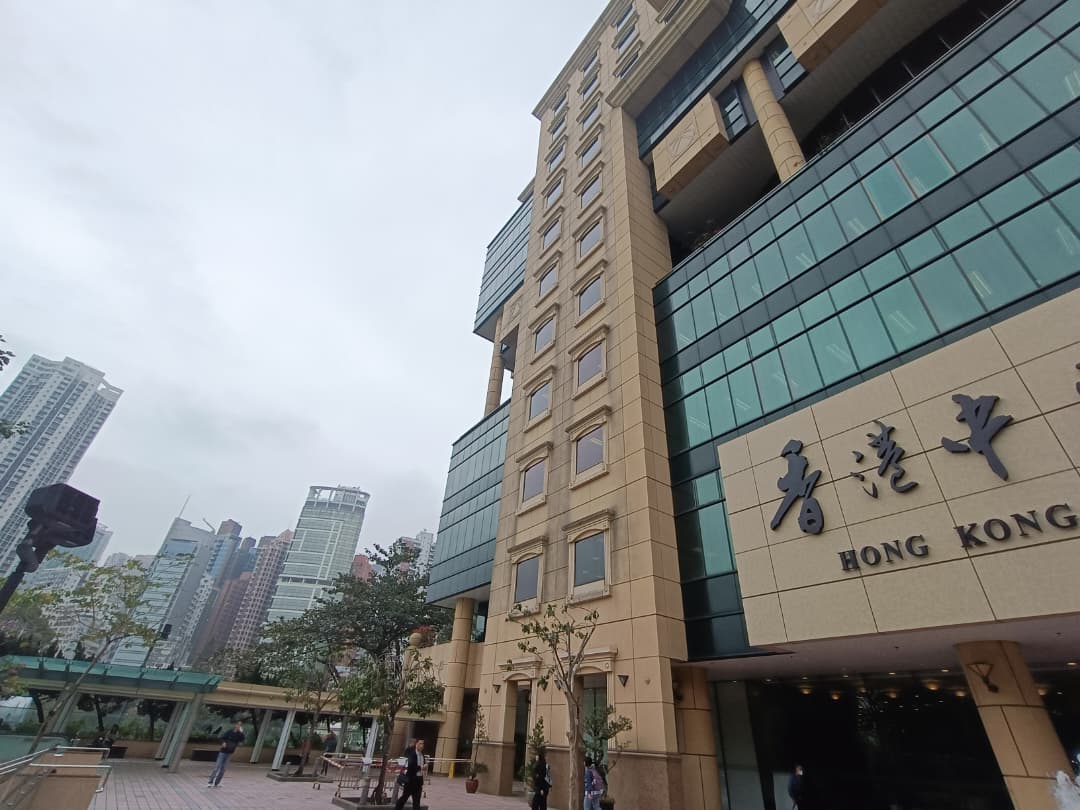
The Hong Kong property market in Kowloon has navigated a severe market correction and global economic shocks between 2020 and 2026, achieving a remarkable soft landing and structural progress. The market has seen a rebound in primary home sales, with over 18,700 units sold in 11 months, driven by renewed buyer confidence and developers’ pragmatic price adjustments. The city’s integrated urban planning has created a robust market in established estates, with buyers seeking a lifestyle ecosystem rather than just an apartment.
Observing the Hong Kong property market from Kuala Lumpur, Malaysia, provides a clear vantage point on one of the most resilient real estate landscapes globally. The extreme density and rapid transaction pace of the city make it a definitive case study in urban economics. Between 2020 and 2026, the Kowloon housing sector navigated an era of unprecedented volatility, managing a severe market correction alongside deep global economic shocks. Analysing this specific six-year trajectory reveals remarkable progress and structural achievements within the local housing ecosystem. Looking from the outside in gives us a unique vantage point to appreciate how far the city has come after a truly unprecedented period of volatility.
The Long Correction and the 2025 Soft Landing
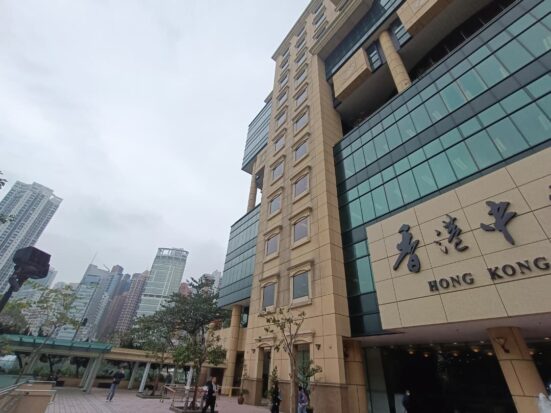
A long correction has significantly shaped Kowloon’s housing story over the past six years. The global pandemic’s profound and unexpected shock followed the market’s peak in 2019. In Malaysia, we experienced our own property overhang and market stagnation during this time, but the pressures in a hyperdense environment like Hong Kong are entirely different. What we are witnessing now is a slow and steady recovery. This recovery is not an accident. It is heavily supported by strategic policy easing and the much-welcomed lower interest rates dictated by the United States Federal Reserve rate cuts, which naturally dictate local mortgage costs due to the currency peg.
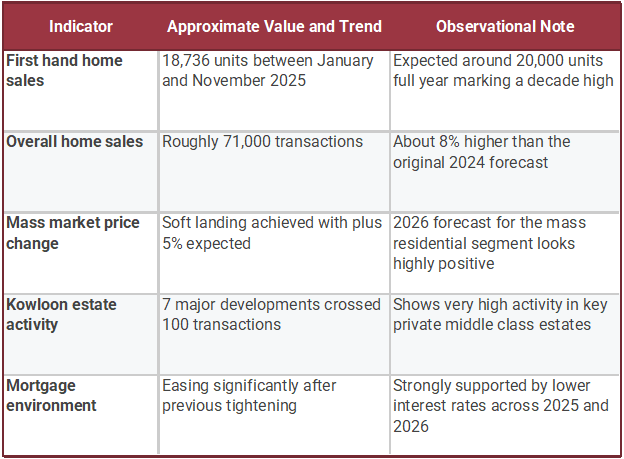
For working families, the journey has been incredibly challenging. However, we are finally seeing what economists refer to as a soft landing. Throughout the second half of 2025, property prices stabilised across the board. Market forecasts now indicate that mass residential prices are expected to rise by about 5 per cent in 2026. This is a monumental achievement for the city. It signals that the six-year correction has run its course, purging speculative excess and returning the market to a state of equilibrium driven by genuine fundamental demand rather than pure investor frenzy.
The Primary Market Rebound and Developer Pragmatism
Let’s explore the primary home sales sector, which has experienced a remarkable rebound. In the first 11 months of 2025 alone, the city recorded approximately 18736 primary unit sales. We expect that number to easily surpass the 20000 mark by the end of 2025. To put the figure into perspective, this represents the highest level of primary transactions in a decade. As an observer, such activity signals a massive renewal of buyer confidence. Developers in Hong Kong have been highly pragmatic, actively cutting prices to clear existing inventory. This willingness to meet the market where it currently stands has successfully lured buyers back into show flats.
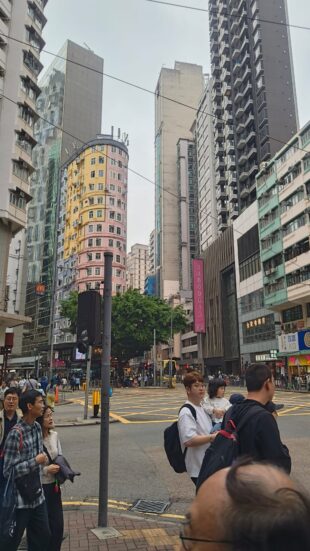
Below is a summary of the broad market indicators that show just how much progress has been made during this recovery period.
Secondary Market Strength in Established Kowloon Estates
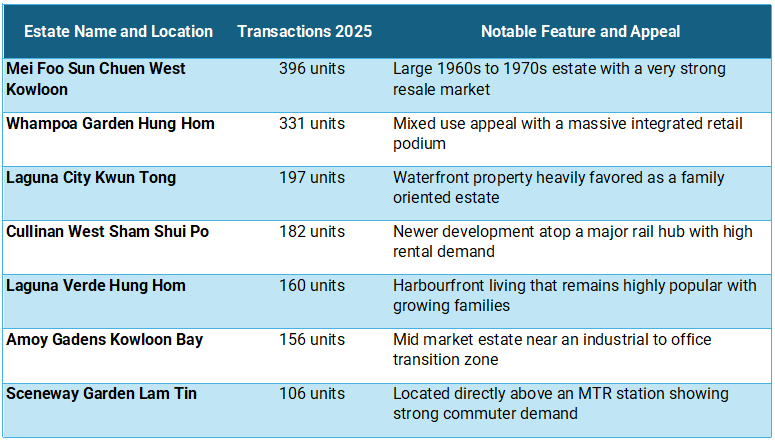
Zooming in on Kowloon specifically, the secondary market activity reveals the true heartbeat of the city. As an outsider who greatly admires transit-orientated development, I am incredibly impressed by how established estates in Kowloon continue to command strong demand. In Malaysia, we are actively trying to build communities centred around public rail transit, but Hong Kong perfected this model decades ago. During 2025, several established estates recorded well over 100 transactions each. This high transaction volume proves that there is robust market activity within middle-class neighbourhoods.
The Power of Integrated Urban Planning
When we analyse this transaction data, we clearly see how demand is heavily concentrated in large private housing schemes. Buyers in Hong Kong are not just looking for an apartment; they are buying into an entire lifestyle ecosystem. Estates like Mei Foo Sun Chuen, despite being built in the 1960s and 1970s, maintain a remarkably strong resale market because they offer established, undeniable community facilities. Meanwhile, newer developments like Cullinan West sit directly atop major rail hubs, driving massive rental demand and long-term capital preservation. This highly integrated approach to retail, transit, and residential living is a key achievement of Hong Kong urban planning that the rest of Asia deeply envies.
Beyond these older established estates, I am closely watching the rapid evolution of East Kowloon, particularly the Kai Tak development area. Kai Tak has emerged as a crucial new supply centre for the region. For a very long time, first-time buyers were completely priced out of traditional core districts due to soaring valuations. Now, developers in Kai Tak are specifically targeting these younger demographics with smaller but much more financially accessible units. Supported by falling mortgage costs and clearing inventory, this area is providing a vital stepping stone for the younger generation to get onto the property ladder. It is a fantastic progression for the city and a necessary relief valve for housing pressure.
However, as an observer, I must balance these market achievements with the stark reality of daily community needs. In Malaysia, physical space is abundant, and our housing challenges look very different. For families living in Kowloon, the primary issues remain small flat sizes, heavy mortgage burdens, and fierce competition for units around major transport nodes. While affordability has certainly improved slightly in terms of entry prices and monthly mortgage obligations over the last year, dense living remains a serious quality of life issue that residents must navigate every single day.
Building Better Communities for the Future
From a community development perspective, these large Kowloon estates act as de facto community hubs. Because the private living quarters are so compact, the public and shared spaces within these estates become absolutely critical to daily survival and happiness. I strongly believe that continued investment in open spaces, elderly-friendly designs, and comprehensive neighbourhood services inside these developments can significantly improve social cohesion. It is not just about brick and mortar; it is about mental well-being and the holistic quality of life. As the population inevitably ages, ensuring that these high-density estates remain accessible, safe, and comfortable for senior citizens is a non-negotiable priority for owners’ committees and property managers alike.
To conclude my observations, the housing story of Kowloon between 2020 and 2026 serves as a powerful testament to the resilience of the Hong Kong property market. It perfectly illustrates how macro financial conditions and specific government policy tools directly influence household stability, youth household formation, and long-term neighbourhood vitality. The city has weathered a brutal economic storm, achieved a textbook soft landing, and is now building a solid foundation for sustainable future growth. The lessons learned here regarding transit integration, community resilience, and market pragmatism are ones that developing real estate markets across Asia, including my home in Malaysia, should study very closely.
