

📝 Summary
The Faculty of Science at Universiti Teknologi Malaysia (UTM) collaborated with Institut Teknologi Petroleum PETRONAS (INSTEP) to provide a training program for students and academic staff, increasing their awareness of career opportunities in Malaysia’s energy sector. The program, titled Introduction to the Energy Industry Value Chain (EVC 2026), aimed to bridge the gap between academic learning and industrial practices. Upon completion, participating students received certificates of participation from INSTEP PETRONAS, recognizing their industry exposure and professional development.
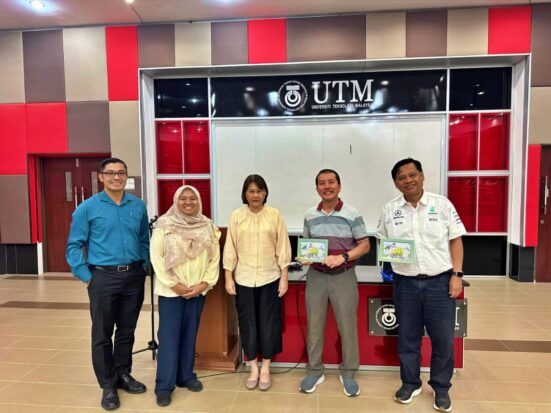
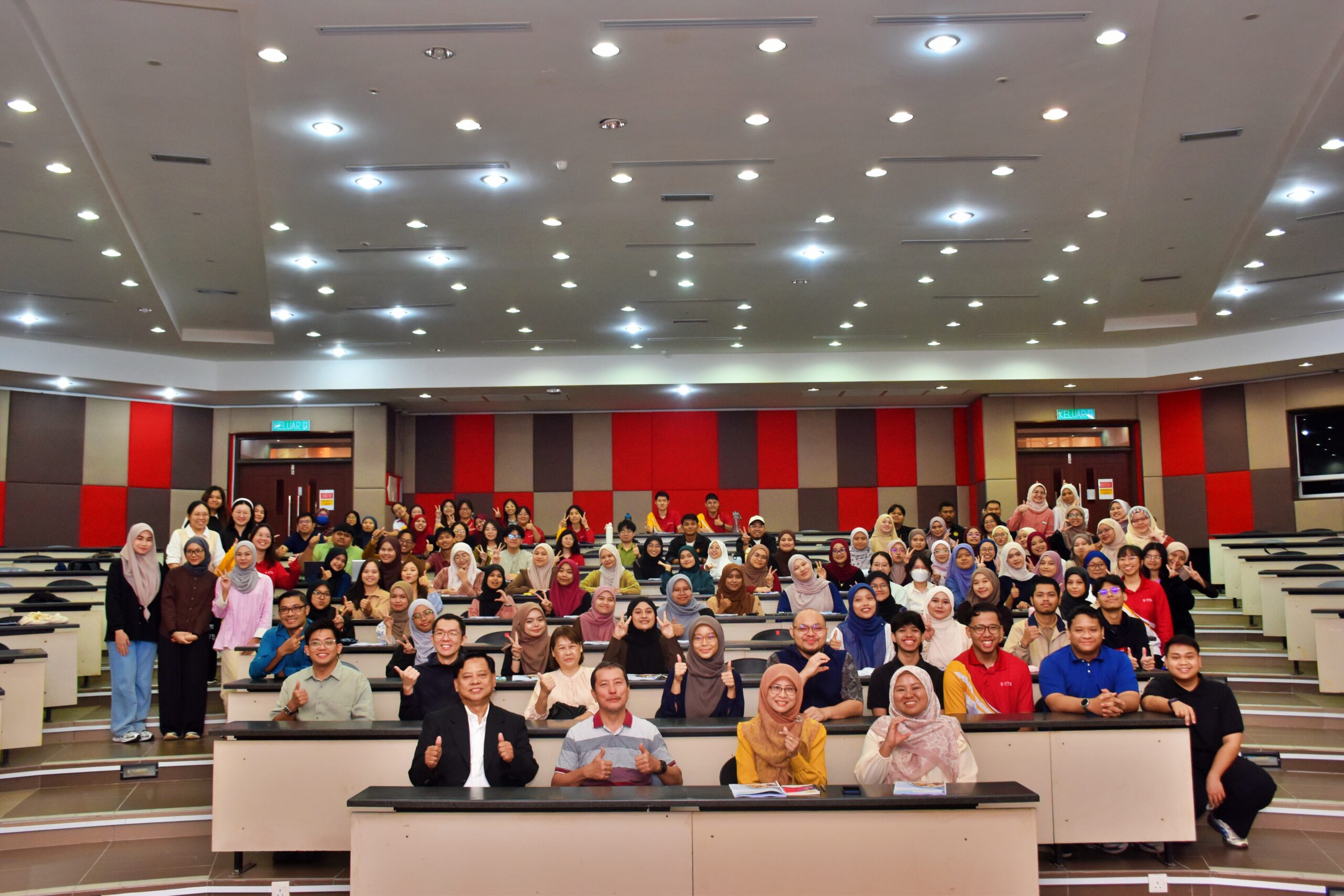
JOHOR BAHRU, Oct 31 – The Faculty of Science, Universiti Teknologi Malaysia (UTM), strengthened its engagement with industry through a certified training programme in collaboration with Institut Teknologi Petroleum PETRONAS (INSTEP), held at Lecture Hall 8 (DK8), Building N24, UTM Johor Bahru.
The programme, titled Introduction to the Energy Industry Value Chain (EVC 2026), involved approximately 120 participants, primarily final-year students from the Departments of Chemistry, Biosciences, Mathematical Sciences and Physics, as well as academic staff.
Organised by the Graduate Employability of the Faculty of Science in collaboration with INSTEP PETRONAS and the Department of Chemistry, the programme aimed to bridge the gap between academic learning and industrial practices while increasing students’ awareness of career opportunities in Malaysia’s energy sector.
The programme was officiated by Deputy Dean (Academic), Faculty of Science, UTM, Assoc. Prof. Dr. Norazah Basar. It reflected the faculty’s commitment to strengthening graduate employability through industry engagement and professional development beyond the classroom.
The training featured two industry practitioners, Hasnul Badri Hasanuddin and Wan Mohd Muzani Wan Muda, who shared their professional knowledge and experience across different segments of the energy value chain.
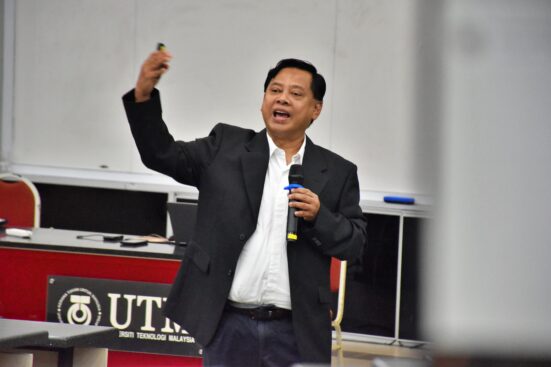
Hasnul Badri led sessions on global oil and gas reserves, PETRONAS’ upstream business, upstream activities, field development life cycles and midstream operations. The sessions introduced participants to the processes involved in exploring, developing and producing hydrocarbon resources, linking these industrial activities with concepts related to their scientific studies.
Meanwhile, Wan Mohd Muzani shared insights into PETRONAS’ integrated value chain, downstream business, gas operations and new energy development. His sessions highlighted the connections between different segments of the energy industry and the need to adapt to an evolving energy landscape.
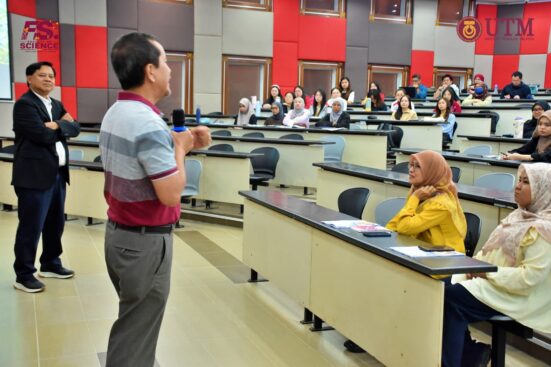
Across four training sessions, participants gained a broader understanding of the energy industry, from resource exploration and production to processing, distribution and commercial activities. Discussions also touched on the development of more sustainable energy solutions.
The programme provided students from fundamental science disciplines with exposure to how their academic knowledge can be applied in large-scale industrial operations. It highlighted the relevance of chemistry, physics, mathematics and biosciences in supporting technological development, operational efficiency and innovation across the energy sector.
Beyond the technical sessions, participants had opportunities to interact with the trainers, seek clarification on industry practices and gain insights into the professional competencies expected in the workplace.
Upon completion, participating students received certificates of participation from INSTEP PETRONAS, recognising their involvement in the training. The certificates provide a record of industry exposure and professional development that students can include in their portfolios as they prepare for internships and future employment.
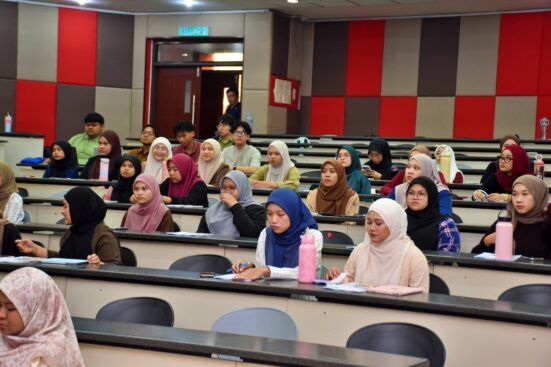
The programme underscored the role of collaboration between universities and industry training institutions in broadening students’ understanding of industrial expectations and career opportunities. Through EVC 2026, the Faculty of Science continues to provide opportunities for students and academic staff to engage with industry professionals and connect scientific knowledge with real-world applications.