

📝 Summary
The Universiti Teknologi Malaysia (UTM) hosted a seminar to strengthen institutional capacity in embedding sustainability into curriculum, governance, and digital learning ecosystems. The event brought together 71 academics and practitioners from the region to discuss strategies for integrating sustainability education and governance. The initiative aims to produce graduates who are employable, industry-relevant, and capable of measurable institutional impact.
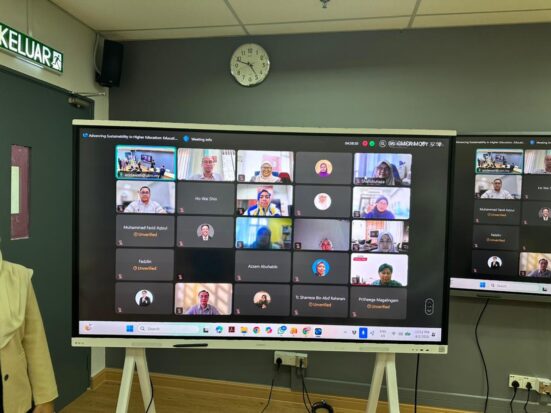
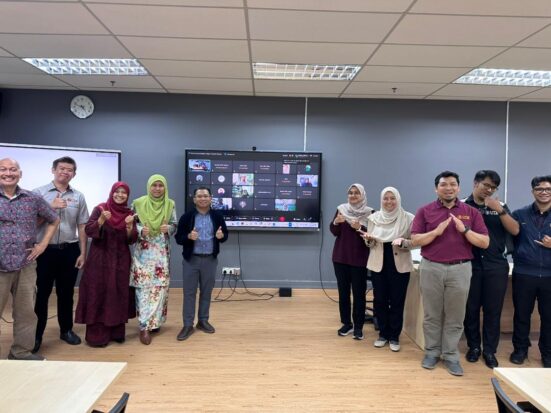
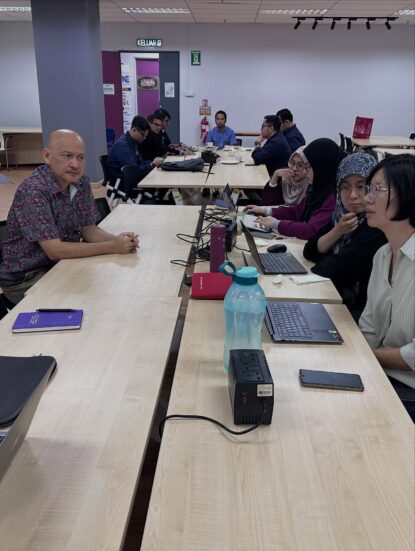
The UTM Nurture Future Green Leader (TUNE) Project, under the Erasmus Capacity Building in Higher Education (CBHE) Grant, convened 71 academics and practitioners at Malaysia–Japan International Institute of Technology, Universiti Teknologi Malaysia Kuala Lumpur on 4 February 2026 for its Replication Seminar: Training of Trainers 2. More than a routine academic event, the seminar was designed to strengthen institutional capacity in embedding sustainability into curriculum, governance and digital learning ecosystems.
The programme moved deliberately from compliance to impact. Participants were introduced to a structured framework for designing sustainability courses anchored on five critical lenses: environmental performance, carbon and resource efficiency, societal contribution, lifecycle considerations and green job potential. The emphasis was clear. Sustainability education must produce graduates who are employable, industry-relevant and capable of measurable institutional impact.
The conversation then shifted from curriculum to governance. Sustainability was positioned not as an isolated initiative but as a strategic commitment integrating environmental, social and economic dimensions across institutional decision-making. The introduction of the Planetary Health Paradigm reinforced the link between environmental systems and human wellbeing, underscoring the responsibility of universities to respond to interconnected global crises with structured governance and long-term thinking.
Through collaboration insights involving Liverpool John Moores University, participants explored how Transnational Education can scale sustainability competencies across borders. Using the i-Digitics framework — Analyse, Design, Develop, Implement and Evaluate — the session demonstrated how MOOCs, credit transfer pathways and learning analytics can enhance academic quality while strengthening sustainability-oriented outcomes across ASEAN and beyond.
The final session translated sustainability into data-driven practice. Through hands-on engagement with KNIME, participants developed carbon prediction models and applied statistical analysis to real datasets. This practical exposure illustrated how machine learning and digital instruments can be integrated into teaching to equip students with analytical skills required in emerging green industries.
Organised under the Erasmus CBHE framework, the TUNE Replication Seminar reinforces UTM’s position as a regional convenor in sustainability-focused higher education transformation. The initiative aligns directly with SDG 4 (Quality Education), SDG 12 (Responsible Consumption and Production), SDG 13 (Climate Action) and SDG 17 (Partnerships for the Goals), while strengthening institutional visibility and collaborative networks across Malaysia and the ASEAN region.
This was not merely a seminar. It was a strategic step toward embedding sustainability as an institutional culture, supported by governance structures, digital innovation and cross-border partnerships.