📝 Summary
The secondment programme at Poland’s Silesian University of Technology and Kosovo’s University of Prishtina strengthened research and teaching capacity, promoted institutional development, and fostered international cooperation. The programme focused on additive manufacturing and materials engineering, with a strong emphasis on knowledge transfer and implementation. It resulted in the preparation of scientific publications, new laboratory exercises, and project-based learning modules, as well as established a foundation for joint publications and future collaborations.
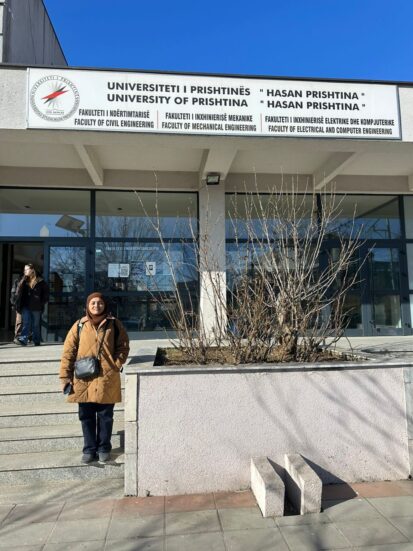
The secondment programme was conducted in two complementary phases. The first phase, from May to July 2025, took place at Politechnika Śląska (Silesian University of Technology, SUT) in Gliwice, Poland. The second phase, from September to December 2025, focused on knowledge transfer and implementation at the University of Prishtina (UP), Kosovo. This structure ensured that advanced research training at a European centre of excellence was transformed into institutional capacity building in Kosovo.
SUT is internationally recognised for its expertise in additive manufacturing and materials engineering. The secondment offered the opportunity to work in a highly advanced research environment, gaining hands-on experience in Selective Laser Melting (SLM) and state-of-the-art materials characterisation techniques. In addition to technical training, the programme emphasised academic collaboration, research dissemination, and sustainable partnerships between institutions.
The Kosovo phase aimed to apply the acquired knowledge to teaching, research, and laboratory development at the University of Prishtina. This involved adapting experimental methods, sharing best practices, and supporting staff and students in using advanced manufacturing technologies. Overall, the secondment extended beyond laboratory activities by integrating research excellence with institutional development and international cooperation.

Research Activities
The main research focus during the Poland phase was Selective Laser Melting (SLM) of metallic materials and their performance under various processing conditions. Samples were produced using advanced SLM systems with controlled laser power, scanning speed, and layer thickness to study their effects on material quality. Extensive characterisation was conducted using optical microscopy, SEM, EDS, and XRD, while mechanical and corrosion behaviour were evaluated through hardness, tensile, and electrochemical tests. A key outcome was the preparation of scientific publications. During the Kosovo phase, the methods and results were shared with colleagues, students, and industry stakeholders through workshops and technical sessions, with a strong focus on post-processing of SLM parts, including 5-axis CNC machining, surface finishing techniques, and improving dimensional accuracy to meet functional and industrial requirements.

Capacity Building
The secondment significantly strengthened research and teaching capacity at the University of Prishtina. Exposure to modern laboratories and research management practices at SUT enhanced skills in experimental planning, quality control, and data interpretation. These experiences illustrated international standards in laboratory safety, documentation, and project coordination.
During the Kosovo phase, this knowledge was incorporated into local research and teaching activities. New laboratory exercises, demonstration experiments, and project-based learning modules were introduced in materials engineering and manufacturing courses. Academic staff and students benefited from training sessions on SLM processes, microstructural analysis, and corrosion testing.
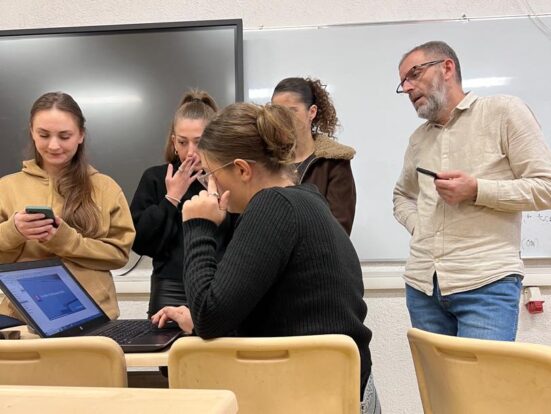
At the institutional level, the secondment supported the development of research infrastructure and international collaboration strategies. It established a foundation for joint publications, future Erasmus+ Capacity Building in Higher Education (CBHE) projects, and co-supervised postgraduate research. By transferring advanced methodologies and best practices, the programme contributes to long-term academic excellence and supports the modernisation of engineering education in Kosovo.
Networking
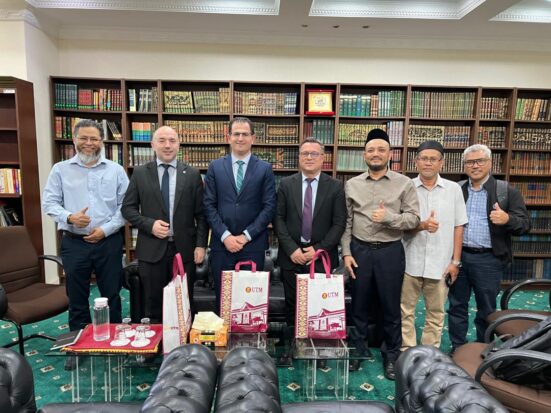
The secondment offered extensive networking opportunities with researchers, academic staff, and industry partners. Attending seminars, laboratory meetings, and technical workshops at Silesian University of Technology enabled regular interaction with experts in additive manufacturing and materials science.
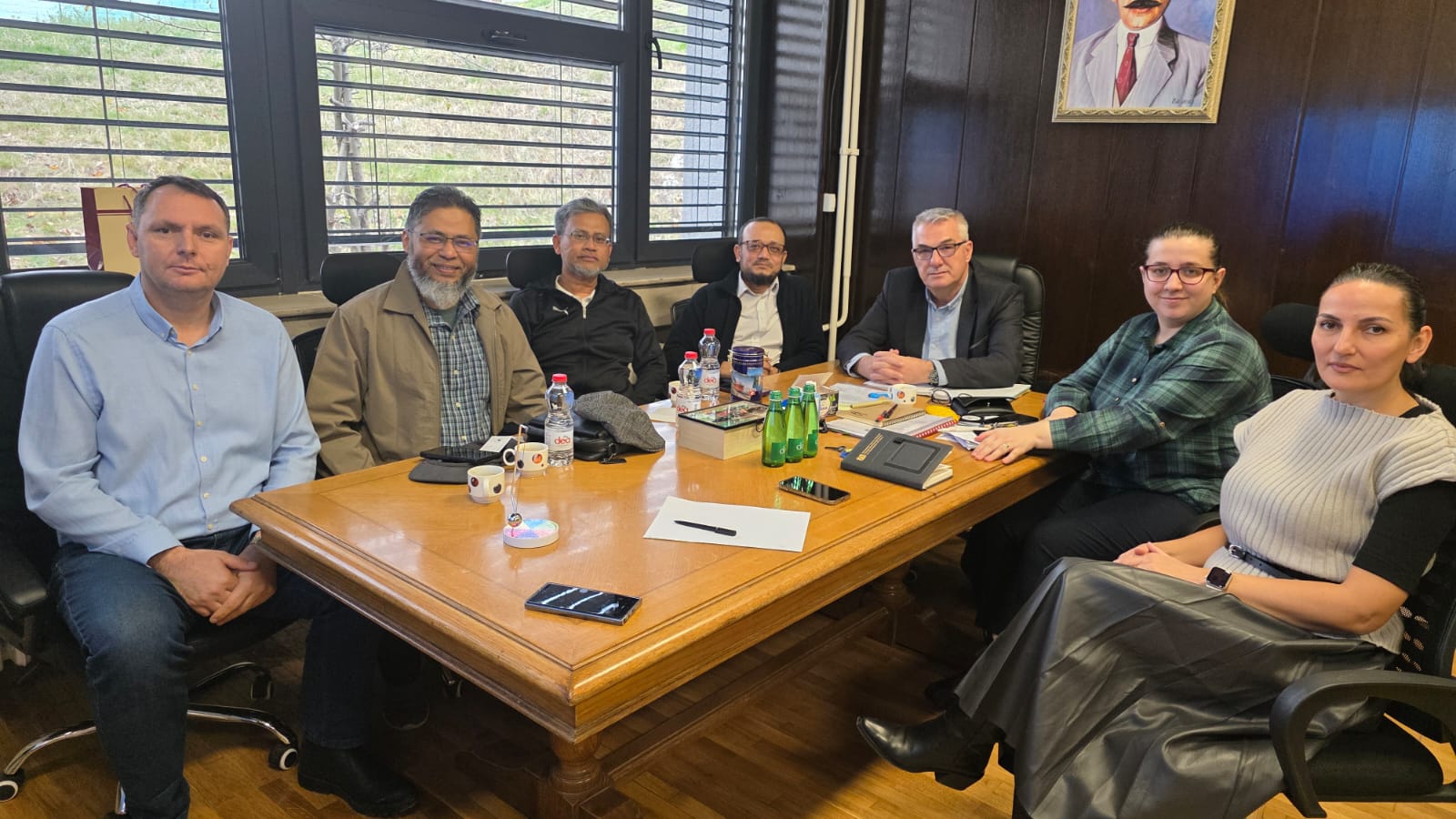
Discussions with senior researchers provided valuable insights into research funding, publication strategies, and international collaboration. These exchanges helped identify opportunities for joint projects, staff mobility, and student exchanges between Poland and Kosovo. The relationships formed during the secondment provide a strong foundation for long-term academic cooperation.
In Kosovo, networking continued through engagement with university departments, research centres, and industrial stakeholders. Presentations and technical sessions demonstrated the potential of additive manufacturing for local industries and research institutions. This strengthened links between academia and industry and encouraged collaborative innovation.

Culture, Food and People
Living in Gliwice offered a rich cultural experience that complemented the academic work. The city’s historical architecture, vibrant student life, and welcoming environment made it easy to integrate into the local community. Polish culture, with its strong respect for education and research, fostered a supportive atmosphere for international scholars.
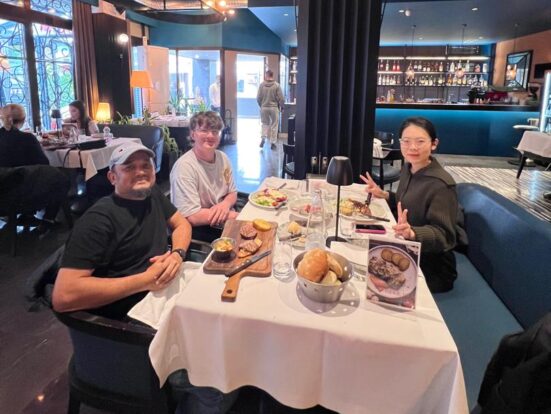
Traditional Polish cuisine, including pierogi, żurek, and bigos, offered a unique cultural perspective. Similarly, in Kosovo, traditional foods such as byrek (burek), flia, and other local dishes provided rich insight into the country’s heritage. Sharing meals with colleagues in both countries became an important way to build friendships and strengthen professional relationships. These informal moments helped create trust, mutual respect, and open communication across cultures.
The people encountered during the secondment were friendly, professional, and eager to share their culture. Cultural exchange broadened global perspectives and improved intercultural communication skills. Overall, the secondment was not only an academic achievement but also a personal journey of cultural understanding and international friendship.