

The heart beats approximately 2.5 billion times over the average lifetime of a human being. The heart is the powerhouse of the human body that pumps blood that carries oxygen and nutrients to every part of the body. However, as a vital organ, the heart is not immune to diseases. It has been reported that cardiovascular diseases (CVDs) remain one of the leading causes of death globally. An estimated 19.8 million people died from CVDs in 2022, and this figure represented approximately 32% of all the global deaths.
In the last few decades, the public health and medical communities have intensified their efforts to combat the growing burden of CVDs. Early detection has played an important role in reducing the severity and complications of CVDs. At the same time, avoiding the risk factors that contribute to the development of CVDs has also assisted in lowering the incidence of cardiovascular diseases. For instance, smoking can lead to reduced blood flow in the arteries, while physical inactivity can contribute to overall poor heart health. Furthermore, high alcohol intake can elevate blood pressure, which can also increase the risk of having heart disease. Other factors, such as excess cholesterol and fat, may cause blockages in the vessels that supply blood to the heart. Additionally, the high prevalence of overweight and obesity further aggravates cardiovascular risk.
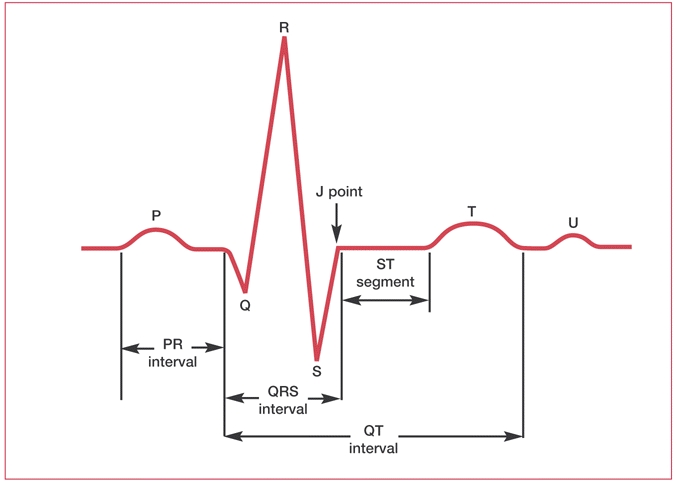
Although CVDs are considered to be deadly, they are potentially avoidable and preventable. Today, there is a wide range of medical devices available to help perform diagnostic tests that support early detection and prevention efforts of CVDs. As an example, the electrocardiography (ECG) is a non-invasive test that records the electrical activity of the heart by placing electrodes on the patient’s chest, arms, and legs. Every heartbeat produces electrical signals, and the ECG machine captures these signals and displays them as waveforms. These waveforms represent different stages of the heartbeat that allow cardiologists and clinicians to make informed decisions regarding diagnosis, treatment and patient management. Figure 1 below illustrates the ECG waveform that consists of the P wave, QRS complex, T wave, and U wave, which represent the electrical activity of a single heartbeat.
The ECG is particularly effective in detecting abnormal heart rhythms known as arrhythmias. An arrhythmia occurs when the heart beats too fast, too slow or irregularly. The common types of arrhythmias are tachycardia, bradycardia and premature heartbeat. Symptoms of arrhythmias may include chest pain, shortness of breath, anxiety, sweating, dizziness, or fatigue.
However, more recently, the advancements in data-based technologies such as machine learning and deep learning have enabled ECG signals to be analysed more efficiently and effectively. These technologies have allowed continuous ECG monitoring to become not only more accessible and accurate but also permitted individuals to track the health of their heart in real-time and at the same time seek medical attention promptly when irregular heartbeats are detected.
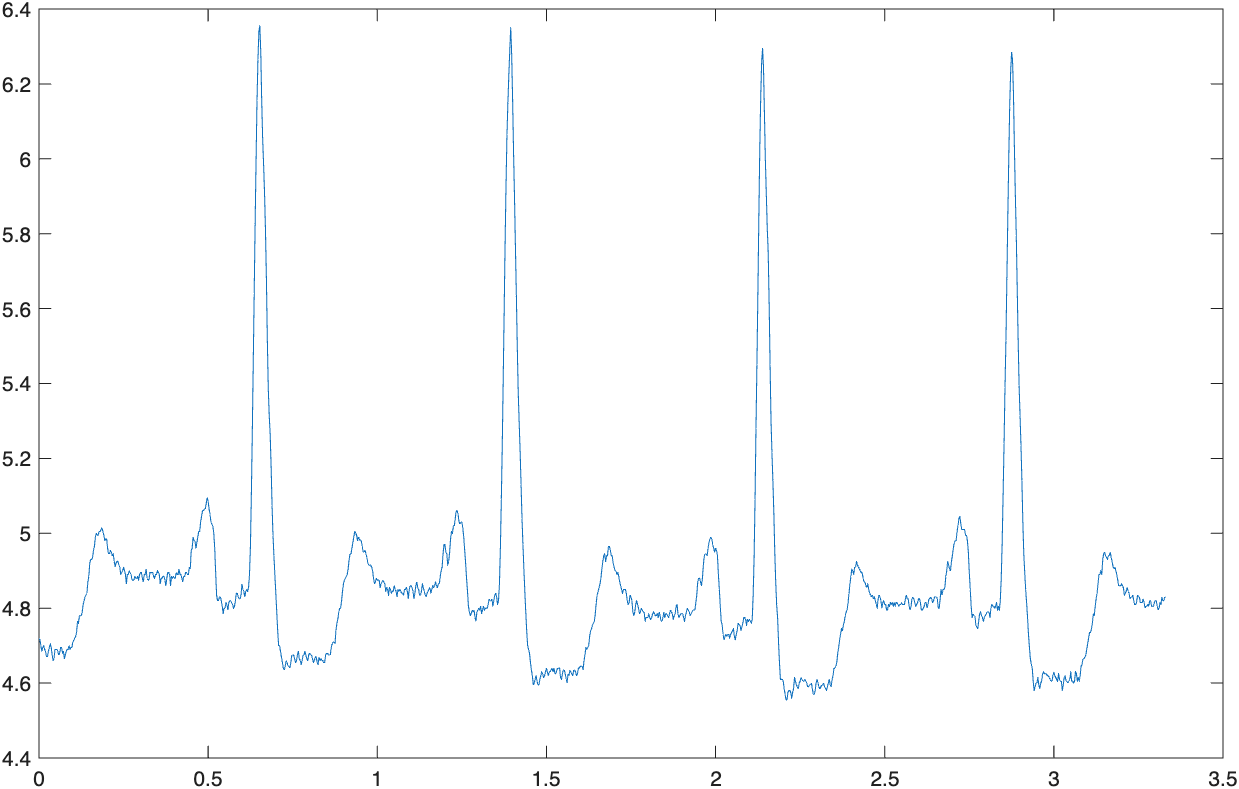
The quality of ECG signals is also often affected by various noises and artefacts originating from sources within and outside of patients’ bodies. For example, motion artefacts caused by patient movement may produce fluctuations with larger amplitude than normal ECG signals. Electrode contact artefacts can degrade signal quality due to poor skin preparation, dried electrode gel or defective ECG cables. Sudden body movements can also trigger the low-frequency noise known as baseline wander. Poor ECG signal quality increases the risk of misdiagnoses. If the ECG signals are too noisy, some significant abnormalities may go undetected, which can jeopardise the patient’s safety. Figure 2 shows the contaminated ECG signal obtained from the MIT-BIH Arrhythmia Database and visualised using the MATLAB software.
Since accurate ECG readings are essential for proper diagnosis of heart diseases and effective patient monitoring, appropriate filtering during the signal pre-processing is required to remove noises and artefacts as well as to retrieve clean and reliable ECG signals. According to the literature, the commonly used filters in ECG analysis include the low-pass, the high-pass, the band-pass, the notch, the all-pass, and the state variable filters. The other more frequently adopted filters comprise the Butterworth, Chebyshev, Bessel, and Elliptic filters. In addition, various window functions such as Hamming, Kaiser, Hann, and Blackman windows are also applied during the signal processing.
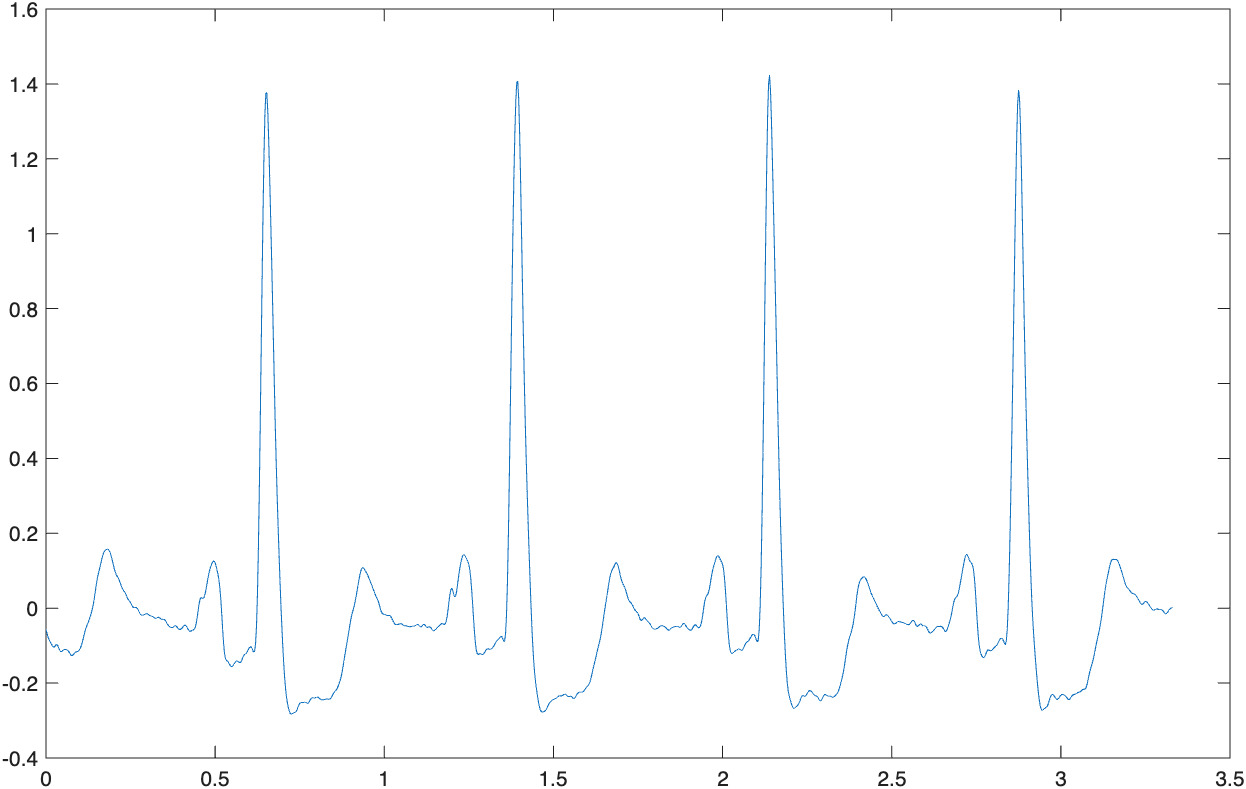
The proper selection and design of filters is essential to make sure that the filters do not remove noise at the expense of distorting the original ECG signals. Given this, it is essential to achieve an adequate balance between noise reduction and signal preservation to ensure accurate ECG analysis and interpretation. Figure 3 presents the application of a band-pass Butterworth filter to the contaminated ECG signals shown in Figure 2. The filtered output demonstrates suppression of both low and high-frequency noise, resulting in a cleaner ECG waveform. This band-pass Butterworth filter was designed and evaluated using MATLAB.
Apart from the filter designs, good clinical practices can also ensure high-quality ECG signals. For instance, by proper preparation of cleaning and drying the patient’s skin before placing the electrodes, impedance can be minimised. The electrode placement must be secured to avoid interference, and patient movement needs to be minimised during the ECG recording. Regular equipment maintenance is required to prevent equipment-related issues. Medical staff must also be well-trained to record ECG readings and recognise artefacts to avoid misinterpretation in the ECG tests.
In short, a healthy heart needs continuous care by adopting a healthy lifestyle and avoiding the risk factors associated with cardiovascular diseases. Early detection by using the ECG can further prevent CVDs. The combination of technologies such as machine learning and deep learning, as well as clinical practices, can help to lessen the burden of cardiovascular diseases as well as support healthier lives.
