
📝 Summary
Universiti Teknologi Malaysia conducted a public speaking programme for secondary school students, aiming to boost their confidence and communication skills through interactive activities. The programme showed noticeable improvement in participants’ confidence, with some even being appointed as emcees for Language Camp 2025. The initiative aligns with the Sustainable Development Goal of promoting quality education and inclusive learning experiences.
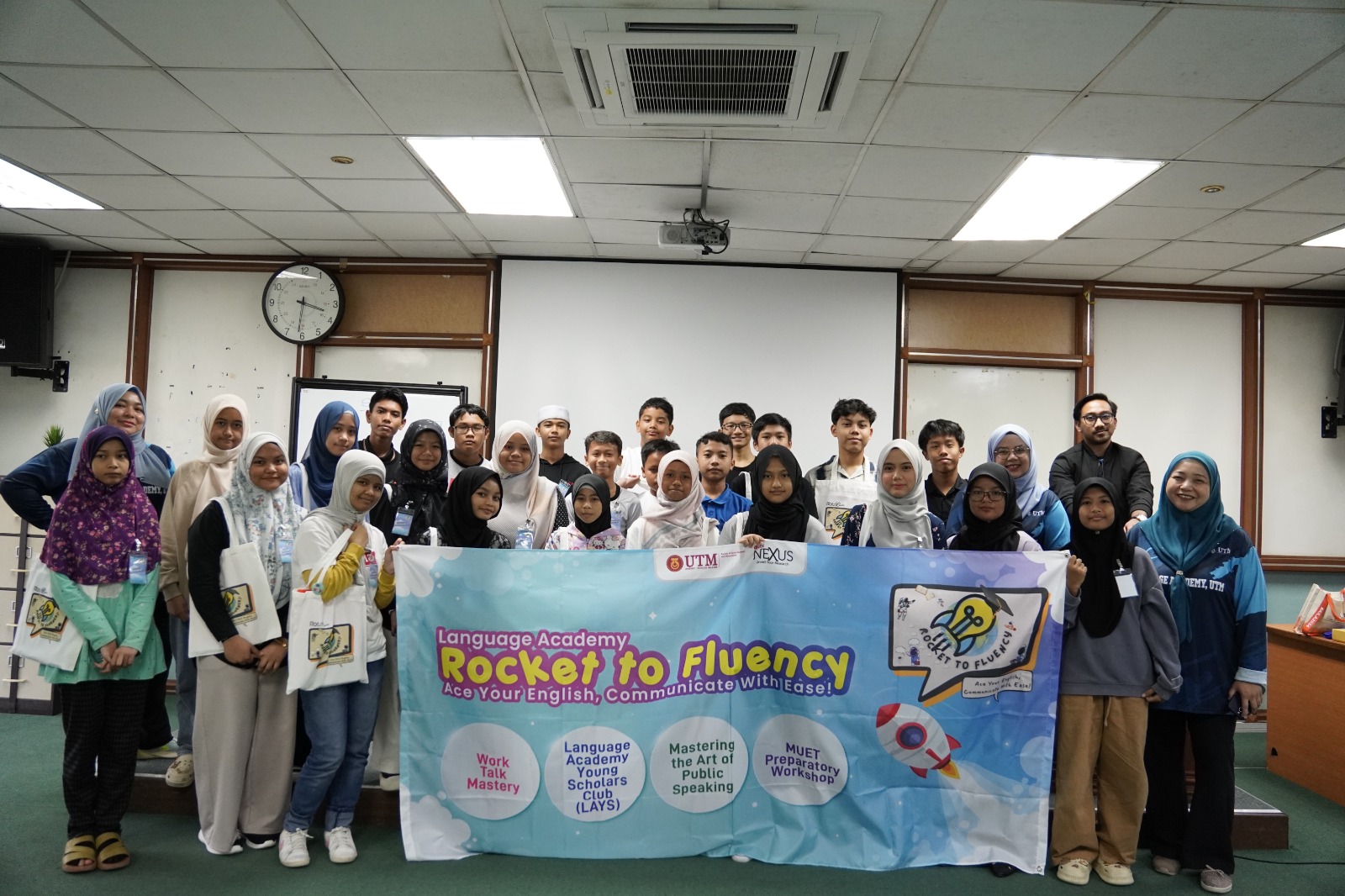
JOHOR BAHRU, Jan 1 – Universiti Teknologi Malaysia (UTM), through the Language Academy, Faculty of Social Sciences and Humanities (FSSH), conducted the “Mastering the Art of Public Speaking for Secondary School Students” programme in 2025 as part of its community engagement initiatives. The programme was organised in collaboration with the Department of the Deputy Vice-Chancellor (Research & Innovation) and aimed to address confidence and communication challenges commonly faced by secondary school students.
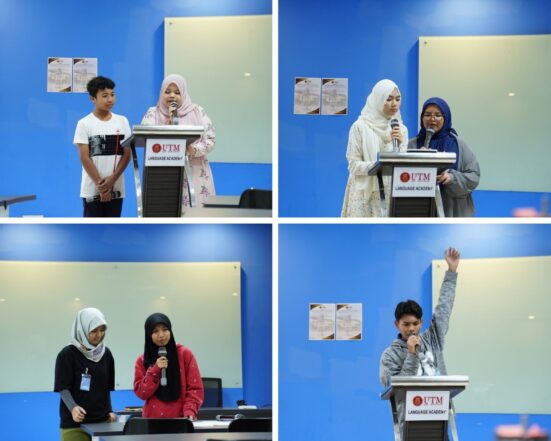
A total of 25 students participated in the programme, which was delivered through three sessions held throughout 2025. The programme was designed to provide students with practical exposure to public speaking in English through interactive and experiential activities, including impromptu speaking tasks, emcee practice, pronunciation exercises, and performance-based challenges.
The initiative was developed in response to the observation that many secondary school students experience anxiety and lack confidence when speaking in front of an audience. By placing emphasis on expressive communication rather than language accuracy alone, the programme sought to create a supportive environment where students could practise speaking in real-life communication contexts.
According to programme facilitators, participants demonstrated noticeable improvement in confidence as the sessions progressed. Students who were initially reluctant to speak gradually became more willing to express their ideas and engage with audiences. This development was later reflected in their involvement in activities beyond the training sessions.
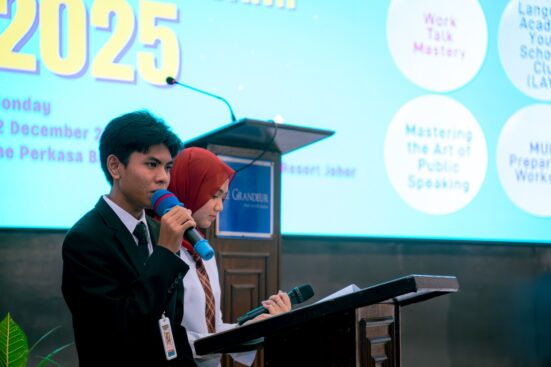
Following the completion of the programme, several participants were appointed as emcees for Language Camp 2025, where they were responsible for managing programme segments and addressing large groups of participants. In addition, students also took part in an Exhibition Competition, during which they presented their posters and interacted with judges and visitors, applying the speaking and presentation skills acquired during the programme.
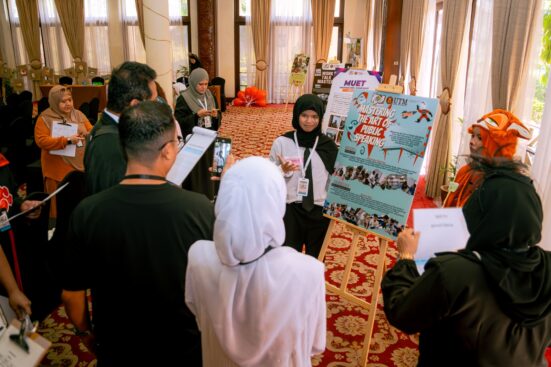
Feedback from parents further supported the observed outcomes. Many parents reported increased confidence in their children, noting improvements in their willingness to speak in public, participate in school activities, and communicate more confidently in daily interactions.
Building on the positive outcomes of the initial implementation, the organisers have announced that the programme will be continued with another three sessions scheduled to be conducted later this year, allowing more students to benefit from the initiative.
The programme aligns with Sustainable Development Goal (SDG) 4: Quality Education by promoting inclusive and meaningful learning experiences beyond the classroom. Through structured training and real-world application, the initiative contributes to UTM’s ongoing efforts to support youth development and strengthen community engagement.
By ‘Atiqah Shaharuddin and Azura Sirri, Language Academy, Faculty of Social Science and Humanities, UTM
