


📝 Summary
Researchers at Universiti Teknologi Malaysia have successfully converted electronic waste into a potential material for solar-driven hydrogen-energy applications. The initiative collected over 2,777 kg of e-waste and processed it into a carbonaceous material that can be used as a conductive matrix for photoelectrochemical electrodes. The research has the potential to contribute to clean energy solutions and aligns with the United Nations’ Sustainable Development Goals.
JOHOR BAHRU, Sep 24 – A community-driven electronic waste (e-waste) initiative at Universiti Teknologi Malaysia (UTM) has contributed to research exploring the potential of recycled electronic waste as a functional material for solar-driven hydrogen-energy applications.
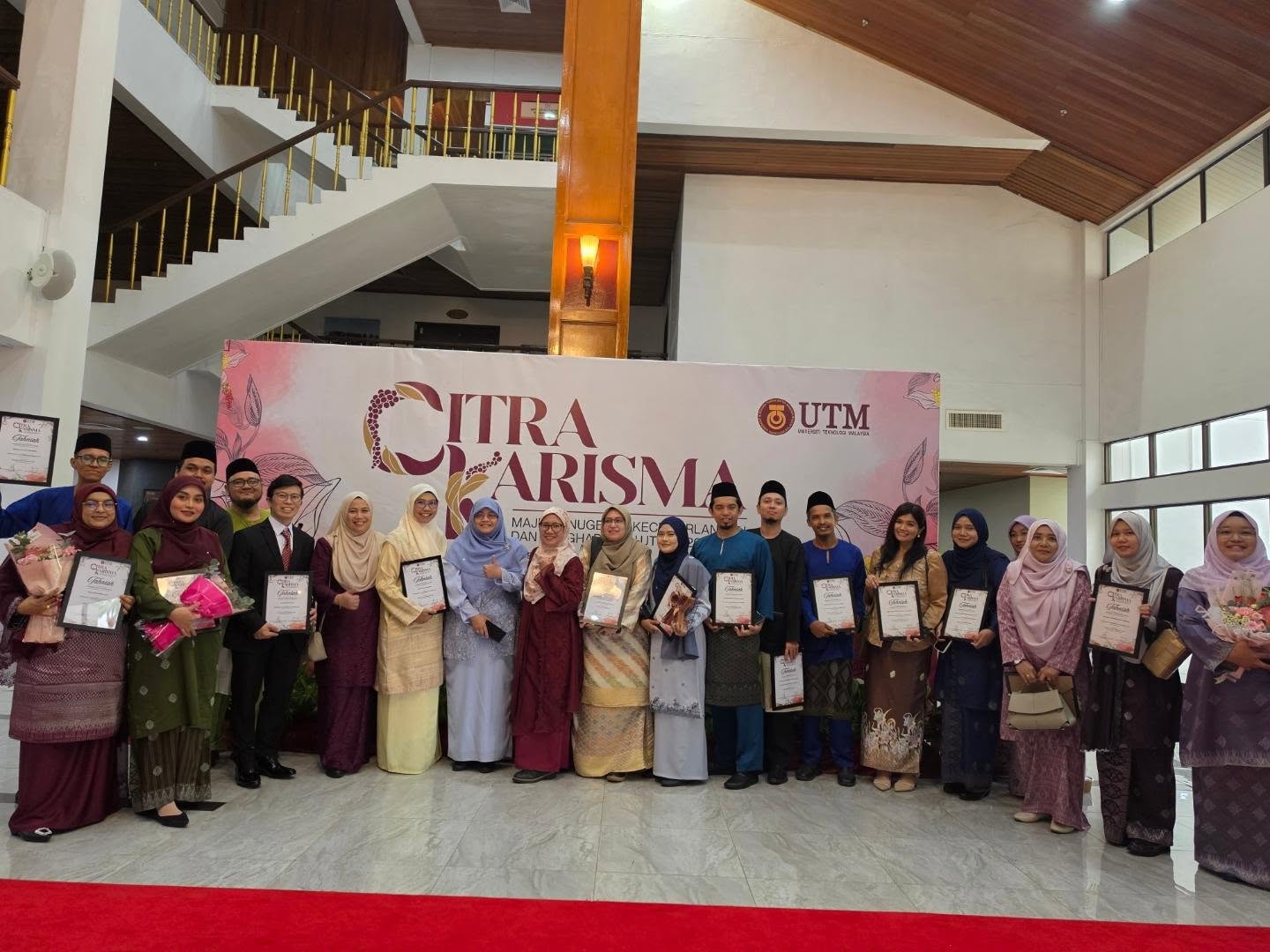
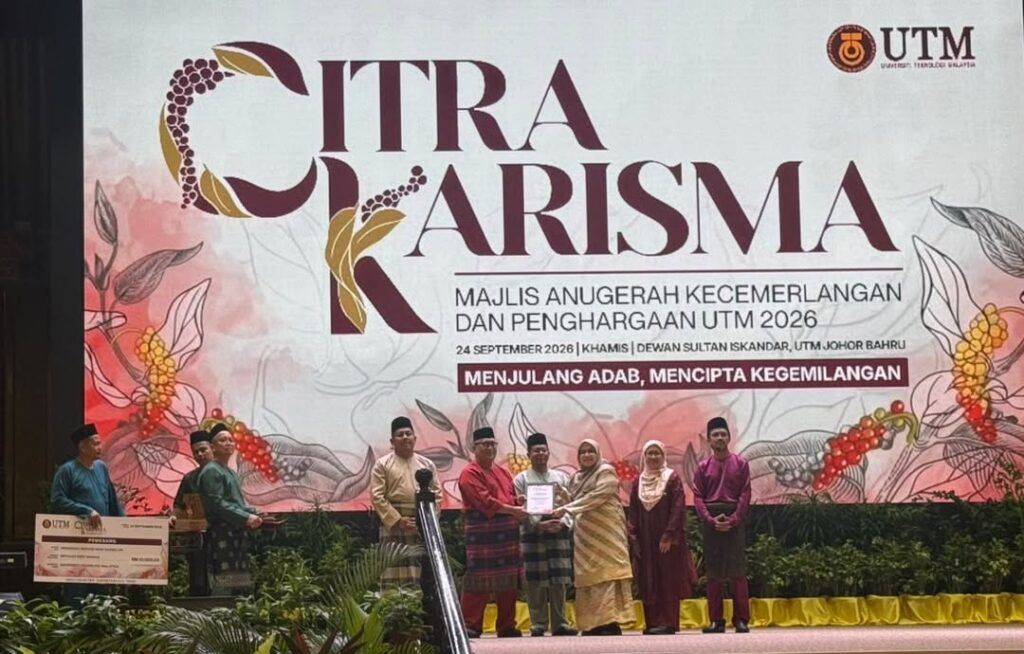
The initiative, Odisi Malar Hijau: Transformasi Kelestarian E-Waste melalui Generative AI dan Pendekatan Pintar Komuniti, involving the Centre for Sustainable Nanomaterials (CSNano) and Ibnu Sina Institute for Scientific and Industrial Research (ISI-SIR), received Second Place in the Vice-Chancellor’s Innovation Award (AINC) 2025 at UTM’s Citra Karisma 2026 ceremony on 24 September 2026.
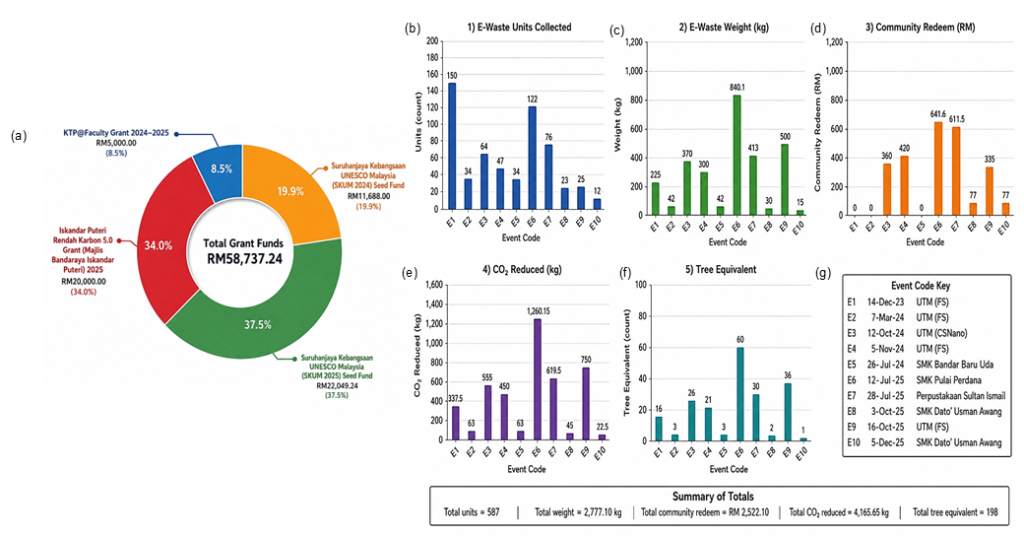
Between 2023 and 2025, the programme conducted ten e-waste collection campaigns involving schools, universities, industry partners and local communities. The campaigns collected 2,777.10 kg of electronic waste comprising 587 units, generated RM2,522.10 in community redemption value and avoided an estimated 4,165.65 kg of carbon dioxide-equivalent emissions, equivalent to approximately 198 tree-equivalents under the programme’s adopted methodology.
Supported by community and sustainability grants totalling RM58,737.24, the initiative also established partnerships to promote environmental awareness, community participation and responsible resource recovery.
Beyond recycling, collaboration with industrial recycling partners, including Metahub Sdn. Bhd., enabled processed printed circuit board residues to be investigated as an alternative carbonaceous material for energy research.
The research subsequently contributed to a publication in the International Journal of Hydrogen Energy, entitled “Tailoring structural, electronic, and electrochemical properties of Ag/ZnO nanocomposite/carbonised E-waste as working electrode for PEC water-splitting”.
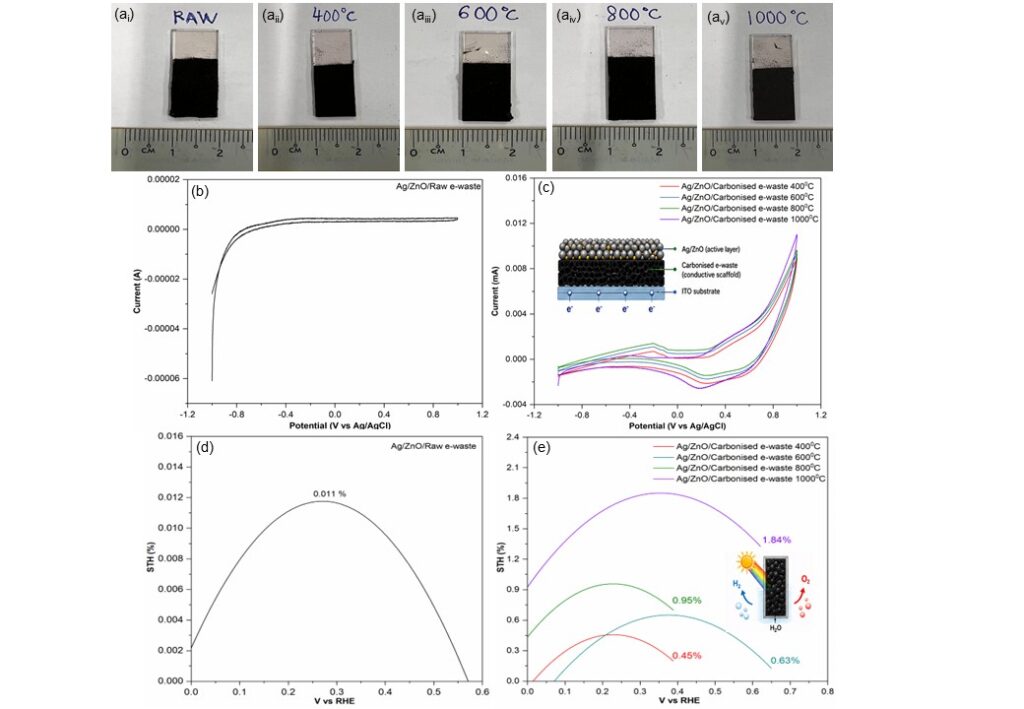
The study investigated carbonised e-waste residues processed at temperatures between 400°C and 1000°C and integrated them with silver-modified zinc oxide (Ag/ZnO) nanocomposites synthesised using Pandanus amaryllifolius leaf extract. The carbonaceous material served as a conductive matrix to facilitate electron transport and reduce charge recombination within the photoelectrochemical (PEC) electrode system.
The optimised electrode achieved a charge-transfer resistance of approximately 4.86 Ω and a photocurrent-derived solar-to-hydrogen efficiency estimate of 1.84%, substantially higher than that of the untreated e-waste-based electrode. However, direct hydrogen-gas quantification is still required to establish actual hydrogen-production efficiency.
The initiative reflects UTM ASCEND 2030’s emphasis on niche excellence, sustainability, and humanity and well-being. It also contributes to the United Nations Sustainable Development Goals (SDGs), particularly SDGs 4: Quality Education, SDG 7: Affordable and Clean Energy, SDG 9: Industry, Innovation and Infrastructure, SDG 12: Responsible Consumption and Production, SDG 13: Climate Action and SDG 17: Partnerships for the Goals, demonstrating how community engagement and university–industry collaboration can support research into potential clean-energy solutions.
Research publication: Razid, S. R. A., et al. (2026). International Journal of Hydrogen Energy, 281, 157609.
DOI: https://doi.org/10.1016/j.ijhydene.2026.157609
Prepared by: Ts. Dr. Siti Salwa Alias and Siti Rashidah Abdol Razid
