


📝 Summary
Universiti Teknologi Malaysia (UTM) has introduced the AI Skills Passport to connect individual AI competencies with emerging skills and future employment requirements, providing a structured pathway for students to understand their current AI capabilities and identify competency gaps. The initiative aims to strengthen the connection between education, AI competency, and employability, ensuring that talent development keeps pace with the rapidly changing demands of industry. The AI Skills Passport is part of UTM’s efforts to develop an AI-ready workforce, supporting Malaysia’s aspiration to build talent capable of participating in an increasingly AI-driven global economy.
KUALA LUMPUR, Oct 6 – Universiti Teknologi Malaysia (UTM) is strengthening the way students prepare for an AI-driven job market through the introduction of the AI Skills Passport, an initiative designed to connect individual artificial intelligence (AI) competencies with emerging skills and future employment requirements.
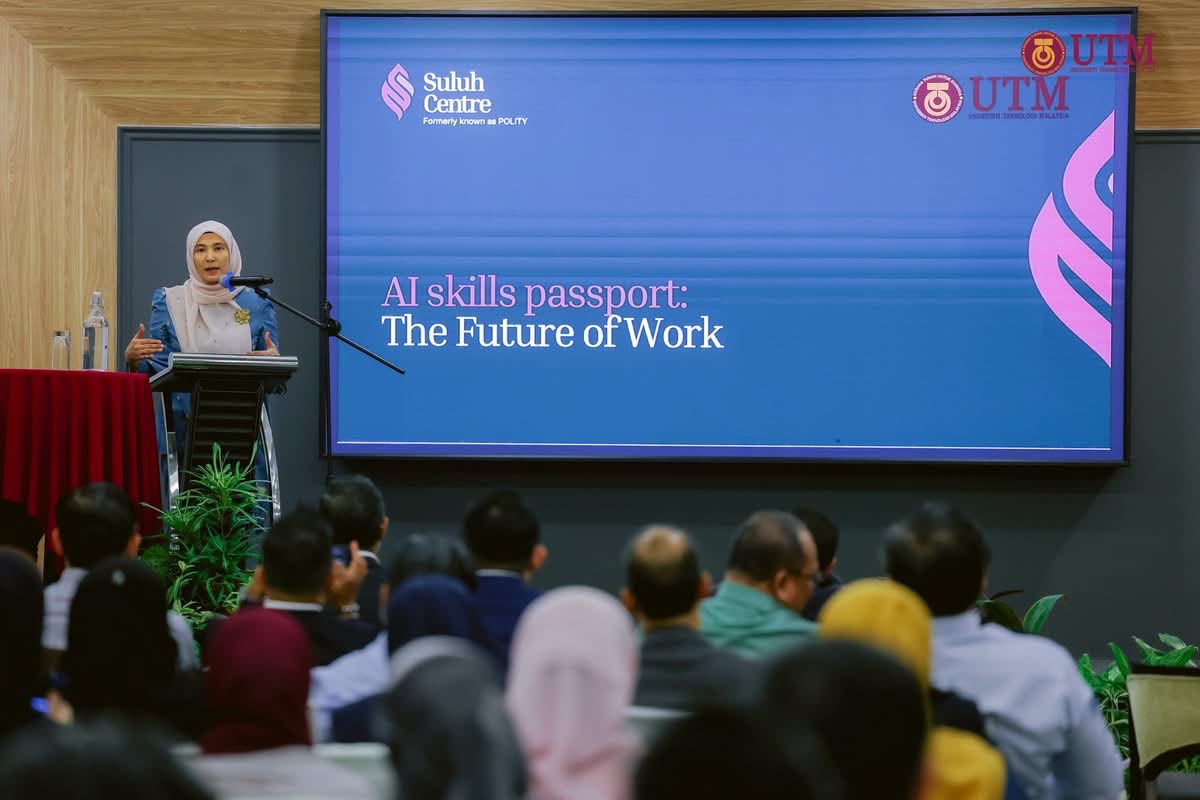
Introduced through the AI Skills Passport: The Future of Work programme at Grand Petra 1, UTM Hotel and Residence, Kuala Lumpur, the initiative provides a structured pathway for students to understand their current AI capabilities, identify competency gaps and determine the skills they need to develop as the nature of work continues to evolve.
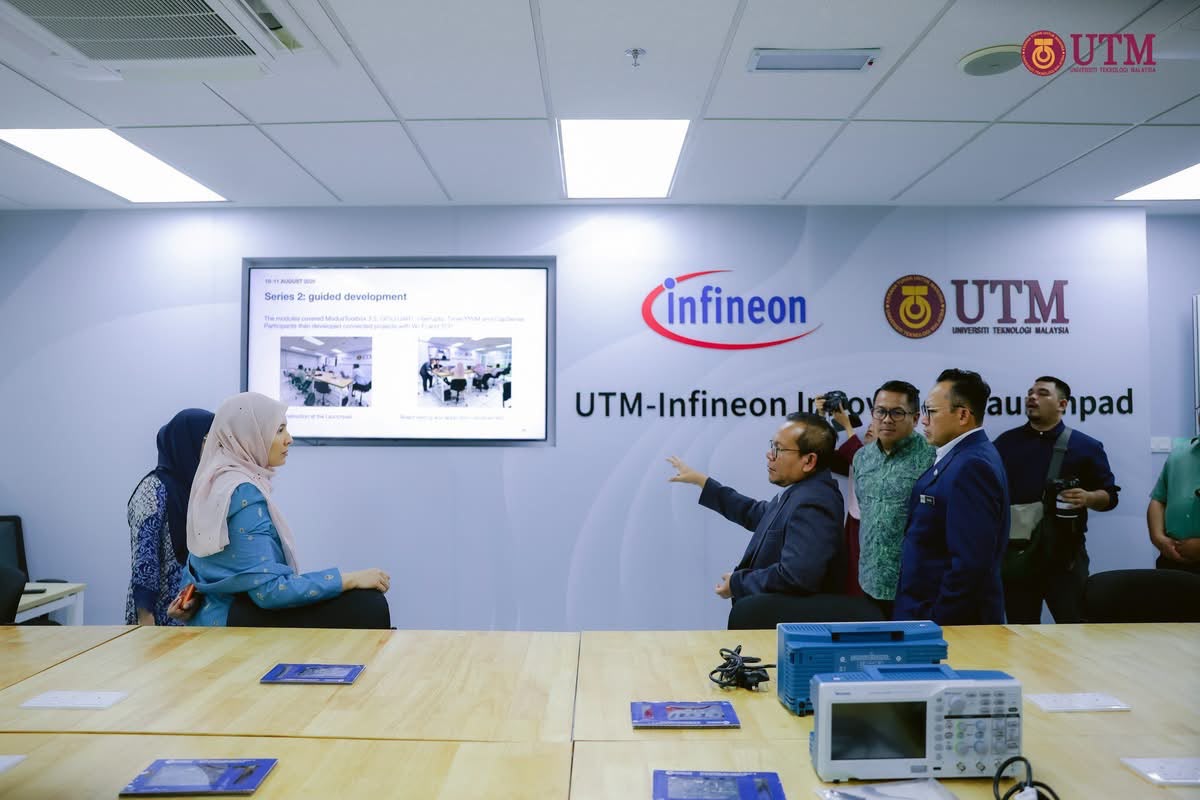
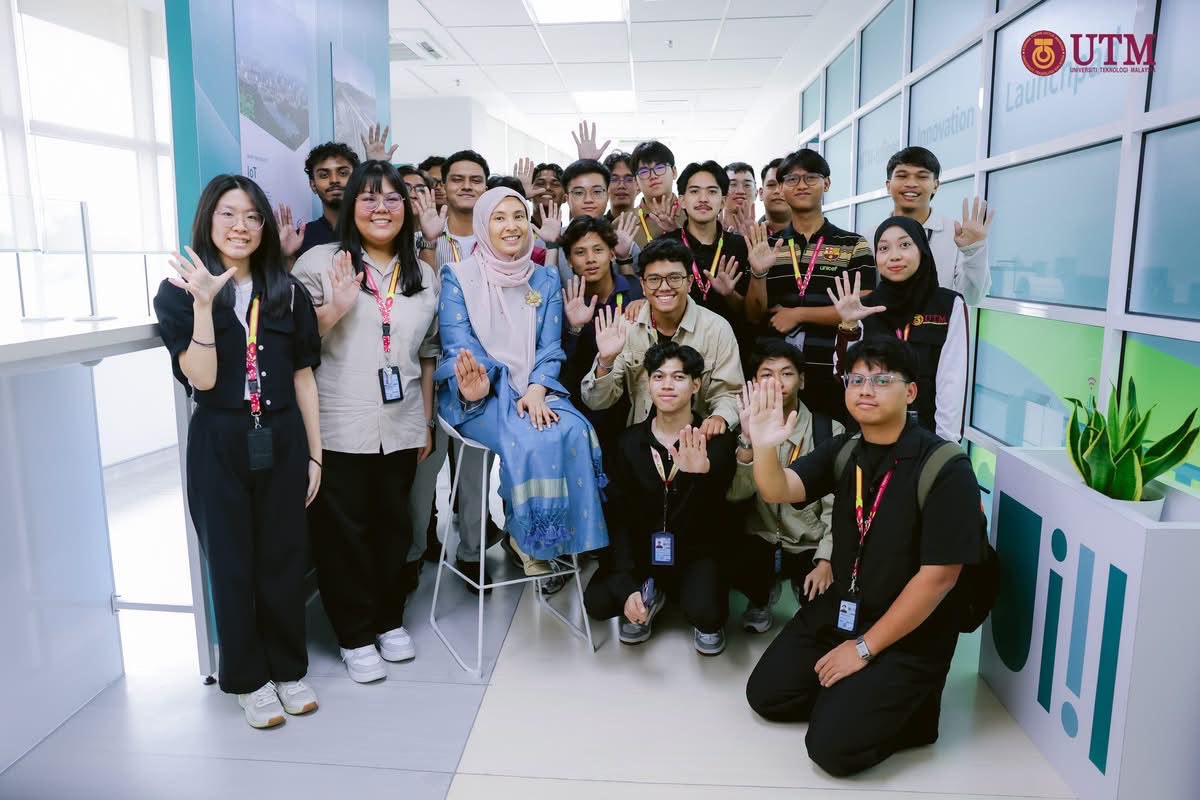
The programme saw strong participation from UTM students, reflecting the growing importance of AI competency and career readiness among future graduates. Through its Future Job Intelligence Engine, the AI Skills Passport connects skills intelligence with changing job requirements, providing a clearer link between what students learn today and the capabilities increasingly expected in the workplace.
The programme brings together UTM through its Faculty of Artificial Intelligence (FAI), UTMSPACE Services Sdn. Bhd., the Malaysia Artificial Intelligence Consortium (MAIC), Twenty30 Digital Sdn. Bhd. and Nation Dev, strengthening collaboration between academia and industry in developing an AI-ready talent pipeline.
The programme commenced with a welcome address by UTM Vice-Chancellor Prof. Ts. Dr. Mohd Shafry Mohd Rahim, who highlighted the importance of closer collaboration between universities and industry in preparing talent for an increasingly AI-driven workplace.
“The way we work is changing as AI becomes increasingly integrated across organisations and professions. Preparing for the future of work is not only about producing more AI specialists; we also need to develop a wider workforce that is AI-ready. Universities can provide the foundation, while industry helps ensure that the skills we develop remain connected to the realities of the workplace,” said Prof. Ts. Dr. Mohd Shafry.
This was followed by a keynote address by Nurul Izzah Anwar, Public Policy Advocate, Former Member of Parliament and Chairperson of Suluh Centre, entitled “Preparing Malaysia’s Talent for an AI-Driven Future of Work: Navigating the Risks and Opportunities of Artificial Intelligence Systems.”
A central focus of the programme was the importance of moving from AI awareness to measurable and recognised AI competency. This is enabled through the AI Skills Passport, which provides a structured way to assess and recognise an individual’s AI competencies, while connecting these capabilities to evolving workplace and industry needs. In an AI-driven economy, such recognition is increasingly important in helping individuals demonstrate their readiness for the future of work.
Beyond identifying skills gaps, the initiative introduces a continuous development approach through the 12-Month AI Workforce Readiness Loop, connecting skills intelligence with targeted training, reassessment and measurable workforce outcomes. This moves AI skills development beyond one-off training towards a continuous process of developing and reassessing workforce capabilities.
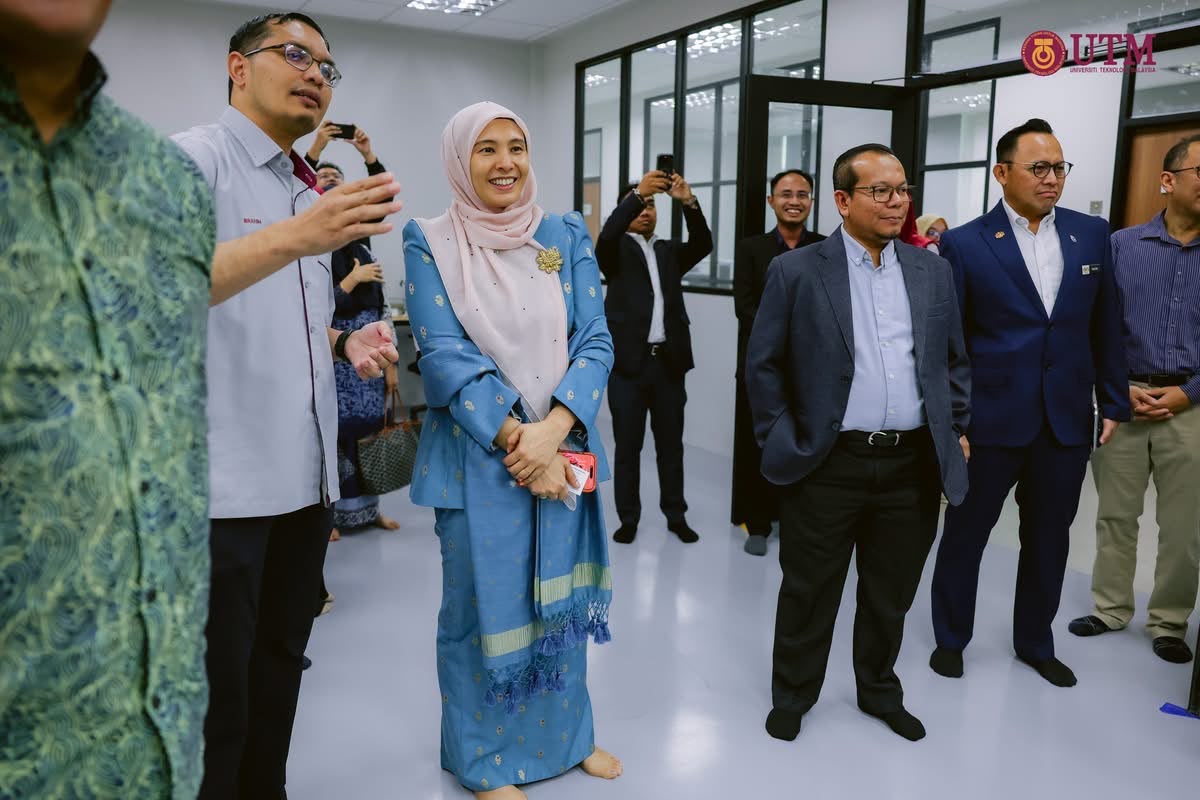
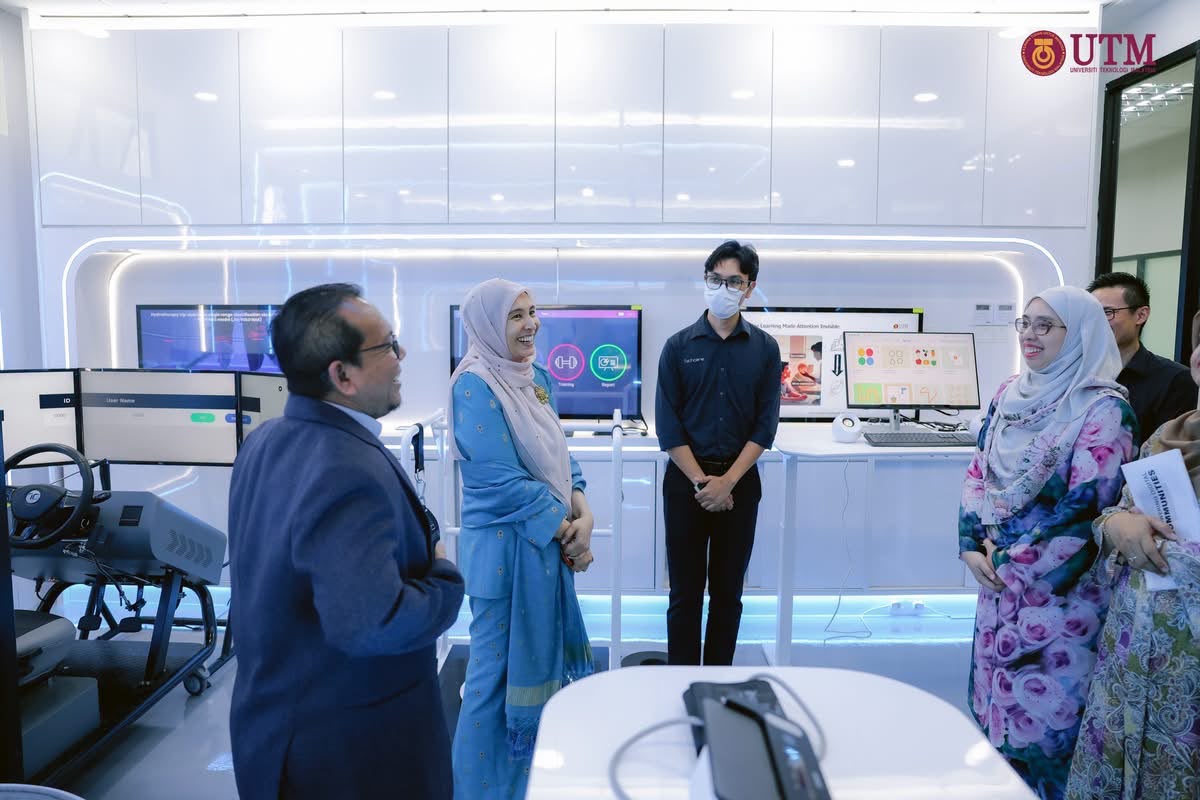
Students and educators were also given dedicated interactive sessions on the AI Skills Passport, providing practical exposure to how AI competency assessment can support learning, teaching and preparation for the future workplace.
Through the AI Skills Passport, UTM is strengthening the connection between education, AI competency and employability, ensuring that talent development keeps pace with the rapidly changing demands of industry.
The initiative further reinforces UTM’s role in bringing academia and industry together to develop an AI-ready workforce, supporting Malaysia’s broader aspiration to build talent capable of participating and competing in an increasingly AI-driven global economy.
