


📝 Summary
Malaysia’s future professionals must be redefined to prioritize skills such as professional judgement, multidisciplinary capability, and experience in real-world projects, as artificial intelligence increasingly performs tasks once considered the domain of professionals. The country must move beyond producing technically qualified graduates and focus on developing professionals who can lead, manage, and make decisions with incomplete information. The Malaysia-Japan Industrial & Innovation Expo 2026 (MJIIX 2026) forum highlighted the need for a balance between innovation and professional discipline, and for universities, industry, and professional bodies to share responsibility in developing future-ready talent.
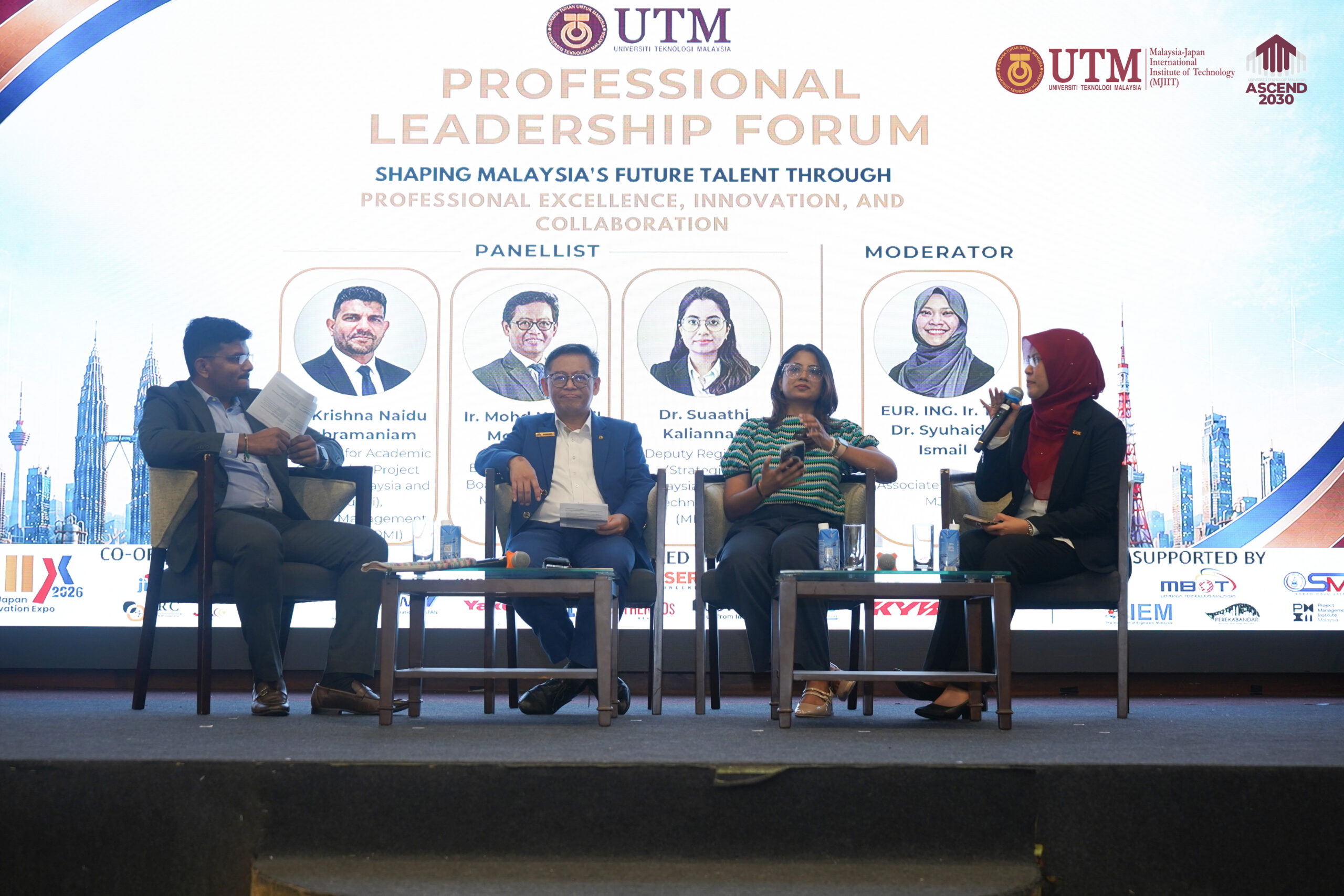
KUALA LUMPUR, Sep 28 – The Professional Leadership Forum: “Shaping Malaysia’s Future Talent through Professional Excellence, Innovation, and Collaboration”, held during the Malaysia–Japan Industrial & Innovation Expo 2026 (MJIIX 2026) at Universiti Teknologi Malaysia (UTM) Kuala Lumpur, challenged Malaysia to rethink what should distinguish future professionals as artificial intelligence (AI) increasingly performs tasks once considered the domain of professionals.
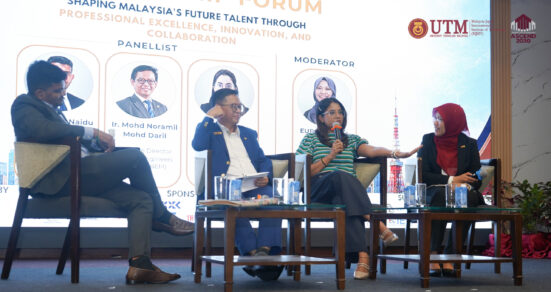
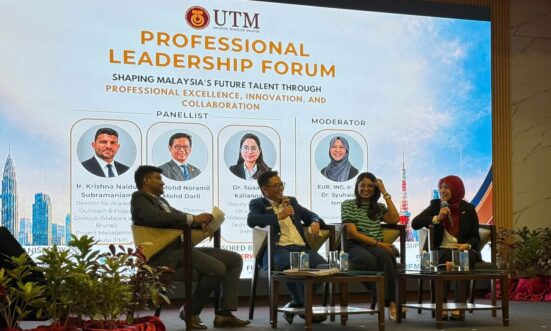
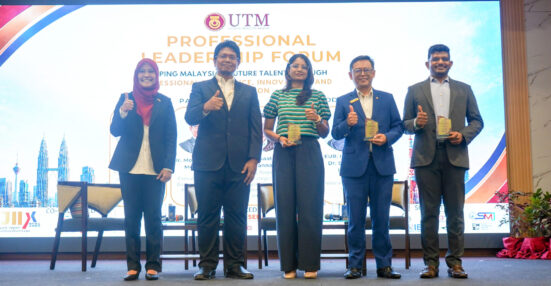
The forum brought together Director for Academic Outreach and Project Director for Malaysia and Brunei, Project Management Institute (PMI), Ir. Krishna Naidu Subramaniam; Executive Director, Board of Engineers Malaysia (BEM), Ir. Mohd Noramil Mohd Daril; and Deputy Registrar (Strategic), Malaysia Board of Technologists (MBOT), Dr. Suaathi Kaliannan. The session was moderated by Assoc. Prof. EUR ING Ir. Ts. Dr. Syuhaida Ismail of the Malaysia-Japan International Institute of Technology (MJIIT), UTM and Chair of MJIIX 2026.
From the panellists’ perspectives, Malaysia must move beyond producing technically qualified graduates who are insufficiently exposed to real responsibility, uncertainty and accountability. Professional capability is developed not only through classrooms and certifications, but also through experiences that require young professionals to lead projects, manage stakeholders, make decisions with incomplete information and take responsibility for outcomes.
The discussion also challenged the tendency to equate professional development with accumulating credentials. Degrees, certifications and professional registrations remain valuable, but experience in delivering projects, solving difficult problems, leading people and creating measurable value can demonstrate professional maturity.
The increasing capability of AI makes professional judgement even more important. While AI may calculate, analyse, simulate and generate possible solutions, professional engineers remain responsible for judgement, ethics, accountability and public safety. Future professionals therefore need to know when to question technology, consider context and make decisions based on professional responsibility.
The forum further highlighted that innovation must be balanced with professional discipline. Young professionals should be given space to experiment through controlled testing, while maintaining clear boundaries around safety and accountability.
AI and digitalisation will also increase the value of systems thinking, adaptability, digital fluency, creativity, communication, ethical judgement and the ability to frame the right problem. Future professionals will need both depth and breadth, combining strong disciplinary expertise with understanding of adjacent fields.
The wider discussion reinforced that narrowing the university-industry gap requires shared responsibility. Universities need to expose students to real industry problems, industry should provide meaningful opportunities to experience responsibility and complexity, while professional bodies can strengthen mentoring, professional exposure and continuous development.
Within the Malaysia-Japan context of MJIIX, the forum reflected on Japan’s culture of technical mastery, continuous improvement, discipline and pride in workmanship. The discussion emphasised adapting these strengths to Malaysia’s own context while retaining local advantages such as diversity, adaptability and openness.
For students and young professionals, professional relevance will depend increasingly on the ability to exercise judgement, integrate knowledge, work with people, use technology responsibly and create real-world value. The forum therefore reflected MJIIX 2026’s wider ambition to connect academia, industry and professional organisations while addressing the capabilities needed by Malaysia’s future professionals.
