

📝 Summary
The Universiti Teknologi Malaysia (UTM) successfully organized the second edition of the “Don’t Pour It. Power It!” Used Cooking Oil Collection Program, collecting 178 kilograms of used cooking oil and promoting responsible waste management and environmental awareness. The initiative supports UTM’s decarbonisation agenda and contributes to the United Nations Sustainable Development Goals, particularly SDG 12 and SDG 13. The program has collected over 460 kilograms of used cooking oil across two consecutive years, demonstrating continued community participation and commitment to sustainable waste management.
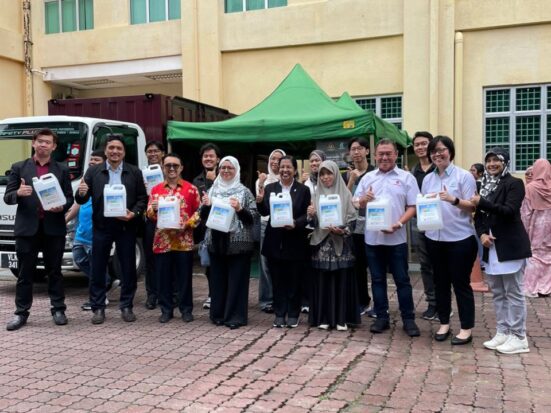
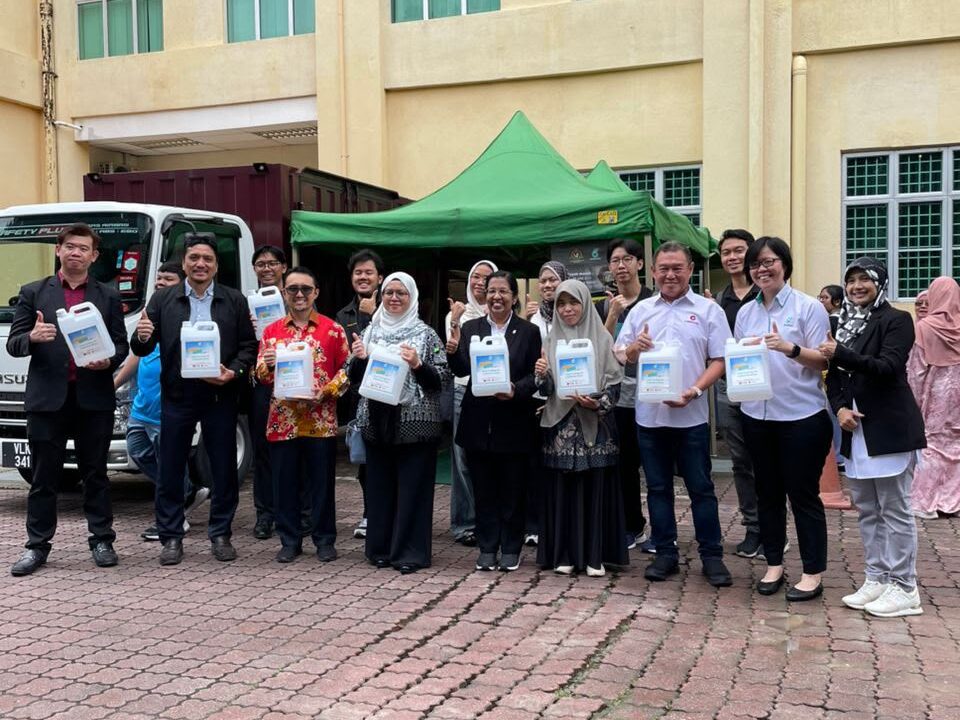
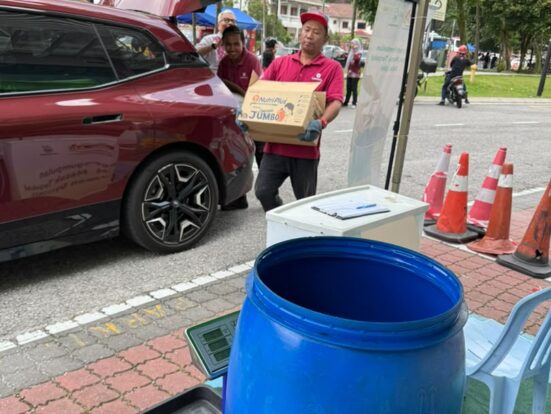
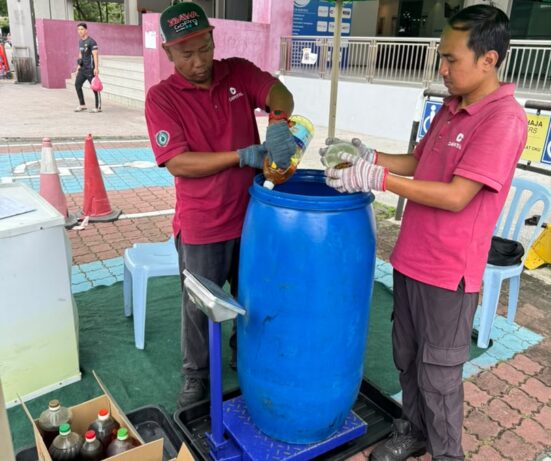
KUALA LUMPUR, Sep 28 – The Malaysia-Japan International Institute of Technology (MJIIT), Universiti Teknologi Malaysia (UTM) Kuala Lumpur, in collaboration with PETRONAS Dagangan Berhad (PDB) and Capital Oil & Fats Sdn. Bhd., with support from the UTM Centre for Campus Sustainability (UTM CCS), successfully organised the second edition of the “Don’t Pour It. Power It!” Used Cooking Oil (UCO) Collection Program.
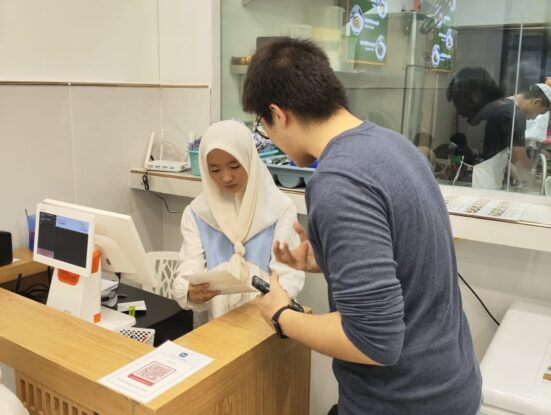
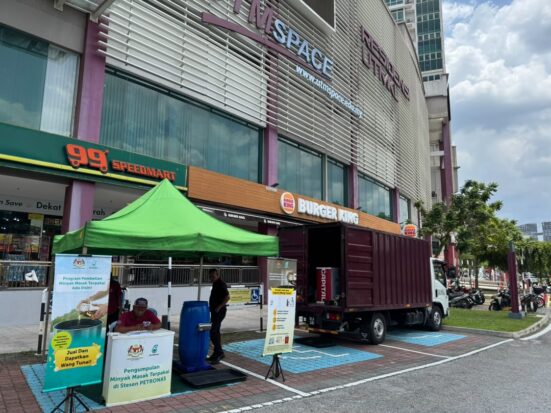
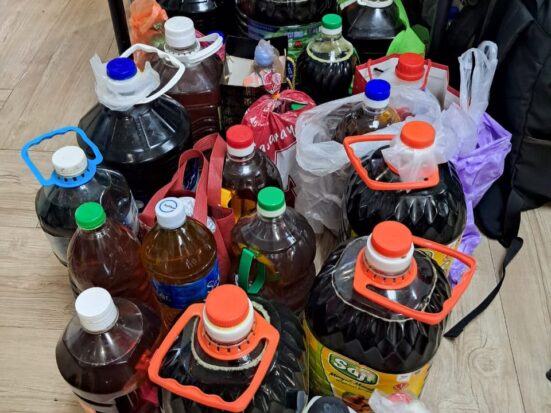
Held at UTM Kuala Lumpur, the initiative brought together university staff, students, local food vendors and surrounding communities to promote responsible waste management and environmental awareness.
The 2026 program successfully collected 178 kilograms of used cooking oil, demonstrating continued community participation and commitment to sustainable waste management.
Building upon the inaugural program in 2025, which collected approximately 283 kilograms, the initiative has facilitated the collection of more than 460 kilograms of UCO across two consecutive years.
MJIIT played an important role in facilitating university-industry collaboration, mobilising campus participation and extending sustainability awareness beyond the university to neighbouring communities.
Improper disposal, particularly through household drains and drainage systems, can contribute to sewer blockages, increase wastewater treatment challenges and introduce pollutants into aquatic environments.
In Malaysia, UCO is increasingly recognised as a valuable resource within the circular economy, particularly as a potential feedstock for biodiesel and sustainable aviation fuel (SAF).
According to PETRONAS’ 2025 Integrated Report, its nationwide UCO collection initiative collected approximately 749 tonnes in 2025, compared with 132 tonnes in 2023.
The program also expanded to 100 participating PETRONAS retail stations and reached more than 332,000 individuals through participation and community outreach.
Beyond waste collection, the initiative reflects MJIIT’s continuing commitment to integrating sustainability into campus operations, environmental education and community engagement.
More importantly, it supports the UTM ASCEND 2030 Strategic Plan, particularly Desired State 6 (DS-06), which targets a 30% reduction in the university’s carbon footprint by 2030.
By diverting UCO from improper disposal and supporting its recovery as a secondary feedstock for renewable fuels, the program contributes to circular resource management and creates opportunities for lifecycle greenhouse gas emission reductions.
Although the program’s direct contribution to UTM’s institutional carbon footprint has yet to be quantified, it strengthens the university’s broader decarbonisation agenda by promoting waste valorisation, sustainable consumption and environmentally responsible behaviour among its campus community.
The program also contributes to the United Nations Sustainable Development Goals (SDGs), particularly SDG 12: Responsible Consumption and Production, and SDG 13: Climate Action.
From an Environmental, Social and Governance (ESG) perspective, the initiative addresses environmental responsibility through waste recovery and resource circularity, strengthens social responsibility through community education and economic incentives, and demonstrates collaborative governance through partnerships between academia, industry and university sustainability stakeholders.
By institutionalising initiatives such as “Don’t Pour It. Power It!“, MJIIT continues to translate sustainability commitments into practical action, reinforcing UTM’s role in advancing environmental stewardship, community engagement and a sustainable, low-carbon future.