

📝 Summary
Universiti Teknologi Malaysia (UTM) hosted an international scientific seminar on a new hygiene standard, bringing together experts to discuss a more selective and scientifically grounded approach to hygiene. The seminar resulted in the Kuala Lumpur Scientific Declaration 2026, committing to continue scientific dialogue and collaboration towards evidence-based and biologically informed hygiene approaches. The event reinforced UTM’s role as a platform for interdisciplinary research and international engagement.
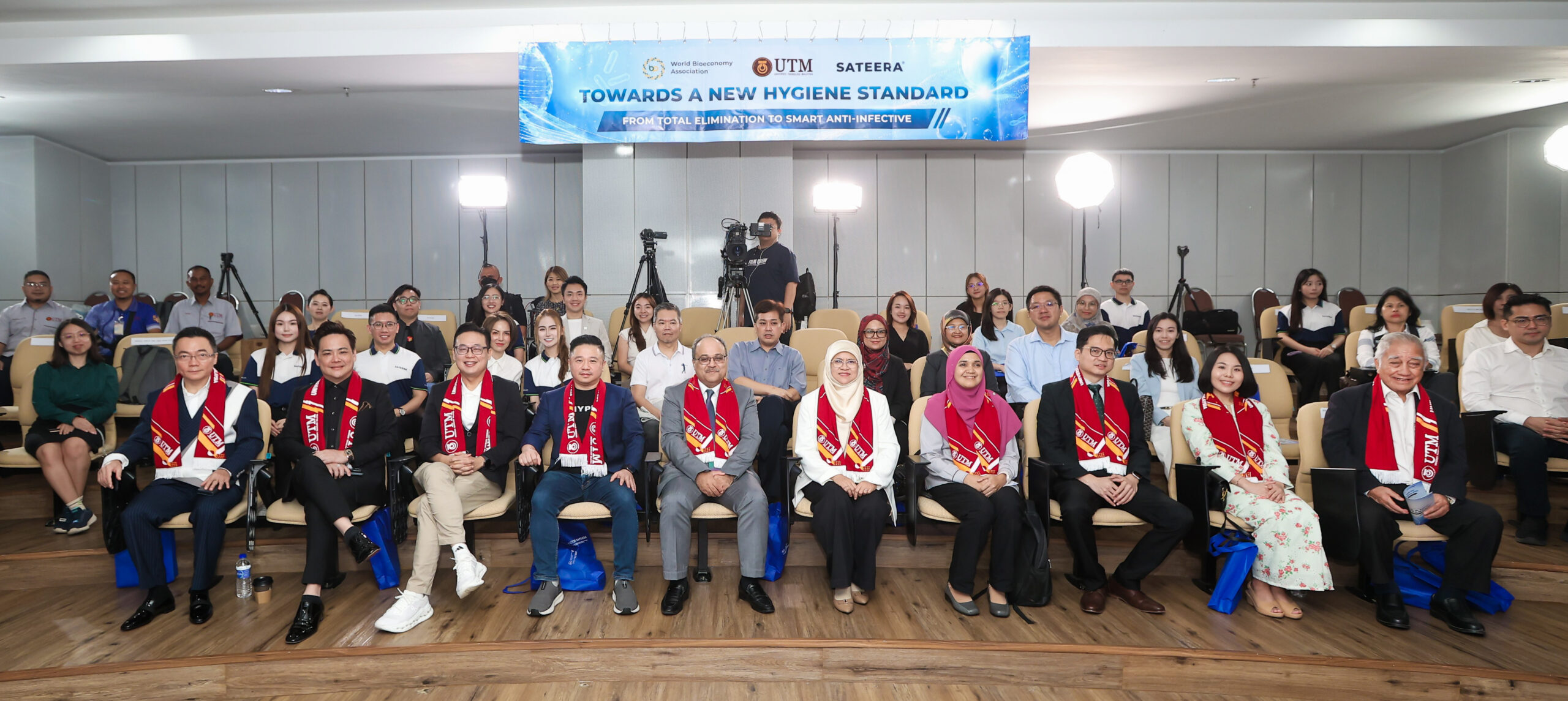
KUALA LUMPUR, Sep 2 – Universiti Teknologi Malaysia (UTM), through the Innovation Centre in Agritechnology for Advanced Bioprocessing (ICA), brought together scientists, healthcare professionals, industry representatives and international partners for the First International Scientific Seminar, “Towards a New Hygiene Standard – From Total Elimination to Smart Anti-Infective”, held at Dewan Seminar, Menara Razak, UTM Kuala Lumpur.
Co-organised with the World Bioeconomy Association (WBA) and SATEERA Sdn. Bhd., the seminar created an international platform to examine a more selective and scientifically grounded approach to hygiene — one that focuses on controlling harmful pathogens while recognising the importance of beneficial microorganisms and the human microbiome.
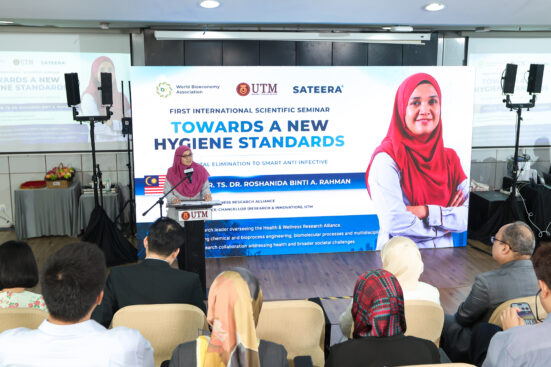
The programme was welcomed by the Chair of the Health & Wellness Research Alliance, Office of the Deputy Vice-Chancellor (Research & Innovation), UTM, Prof. Ir. Ts. Dr. Roshanida A. Rahman, who highlighted the importance of interdisciplinary and international collaboration in moving scientific knowledge towards responsible and sustainable solutions.
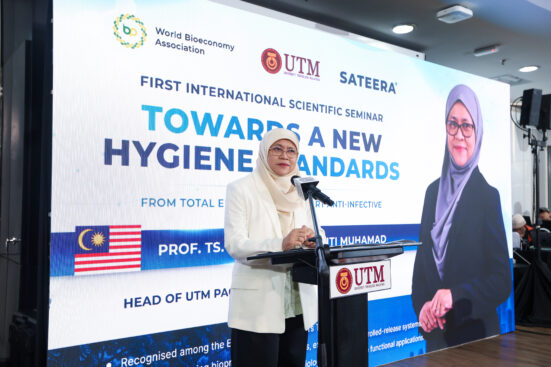
The seminar was officiated by Head of UTM Pagoh Campus, Prof. Ts. Dr. Ida Idayu Muhamad, who emphasised the value of connecting research across microbiology, biotechnology, analytical science, engineering, healthcare, clinical practice and industry towards meaningful real-world applications.
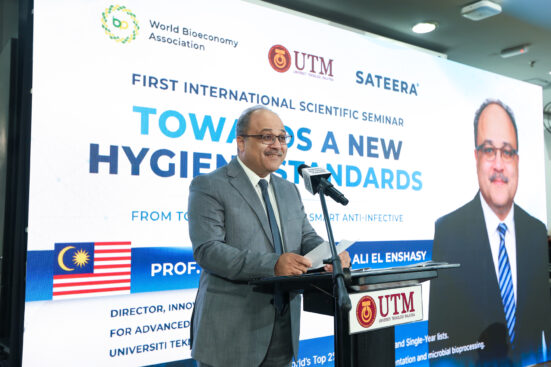
At the centre of the scientific programme was Prof. Dr. rer. nat. Hesham Ali El-Enshasy, Director of ICA UTM, who delivered the main scientific keynote, “Development of a New Hygiene Standard”. The keynote framed the seminar’s central scientific proposition: moving beyond indiscriminate microbial elimination towards smarter anti-infective strategies supported by evidence, biological selectivity and a deeper understanding of microbial ecosystems.
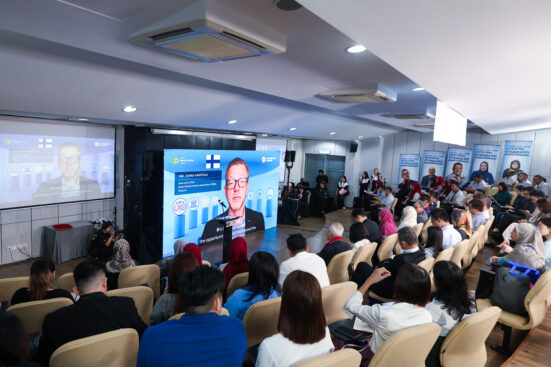
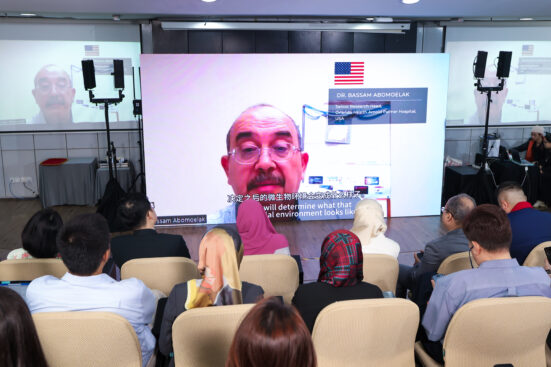
International scientific perspectives further broadened the discussion through contributions from Jukka Kantola of Finland; Dr. Santosh Ramchuran of South Africa; Prof. Rania AboZahra of Egypt; Dr. Bassam Abomoelak of the United States; and Prof. Dalia Sukmawati of Indonesia.
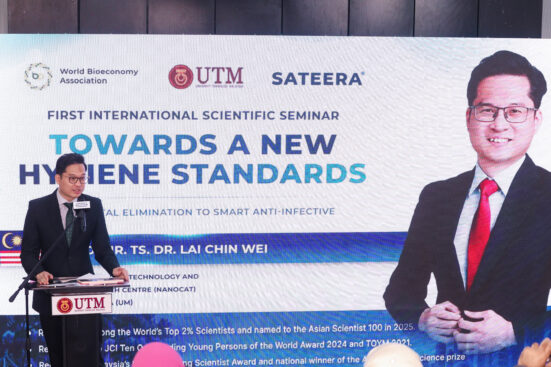
The Scientific Translation session featured Assoc. Prof. Dr. Sheri-Ann Tan Shu Wei of Tunku Abdul Rahman University of Management and Technology (TAR UMT) and Prof. Dr. Lai Chin Wei of the Nanotechnology and Catalysis Research Centre (NANOCAT), Universiti Malaya (UM), who presented scientific insights connecting fundamental evidence with translational possibilities.
The programme also featured a round-table panel discussion involving Prof. Hesham, Dr. Quek Yek Song, Dato’ Dr. Bryant Yap Ceong Cur, Dr. Faizal Hamid and SATEERA, with Allen Beh Wei Lun contributing as a SATEERA representative. The discussion explored the challenges of translating scientific evidence into clinical, technological and real-world applications.
The seminar was also attended by Datuk Wira Calvin Khiu, Co-Founder of SATEERA Sdn. Bhd.
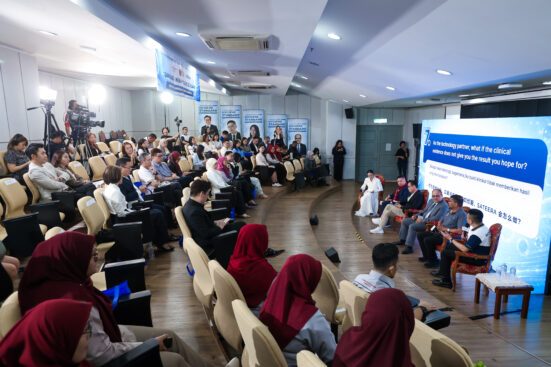
The programme culminated in the Kuala Lumpur Scientific Declaration 2026, reflecting a shared commitment to continue scientific dialogue and collaboration towards hygiene approaches that are more precise, evidence-based and biologically informed. The declaration marked the seminar as a starting point for further research, scientific validation, translational work and international cooperation.
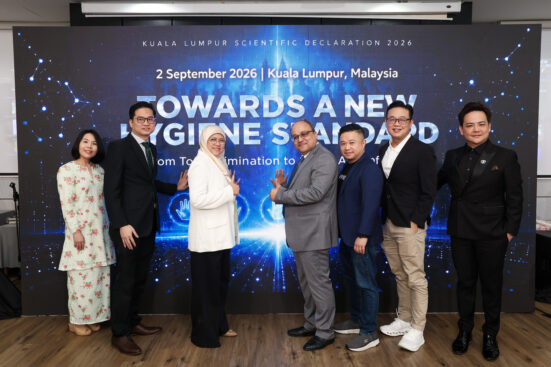
Through ICA UTM, the seminar reinforces UTM’s role as a platform for interdisciplinary research and international engagement, while opening opportunities for future collaboration between academia, healthcare, industry and global bioeconomy networks.