

📝 Summary
Two UTM Master of Architecture students participated in the ITB Global Studio 2026 international workshop in Indonesia, focusing on urban informality and climate change in the Global South. The workshop brought together 37 students and researchers from six countries to study and address urban challenges through collaborative design and community engagement. The event aimed to strengthen knowledge and practical skills in urban planning and design for inclusive, resilient, and sustainable urban development.
BANDUNG, Jul 13 – Currently, more than half the world’s population are living in cities, and it is projected by the United Nations (UN) that nearly 70% will be urbanised by 2050. Asia is home to half of the world’s urban population, such that one in four people lives in the cities. Moreover, by 2050, one in three people will be living in informal settlements, with their development challenges compounded by the impacts of climate change. With rapid urbanisation, climate change impacts are gradually worsening, while actions towards climate change mitigation and adaptation struggle to keep up. From rising sea levels, flooding, urban heatwaves and other extreme weather events, the human, economic, and environmental costs of climate change continue to increase.
Varying reports, such as UN-Habitat’s World Cities Report (2024, 2026), indicate that almost no urban resident will be unaffected, with billions of people subjected to increased exposure to hotter temperatures and other climate-related risks.
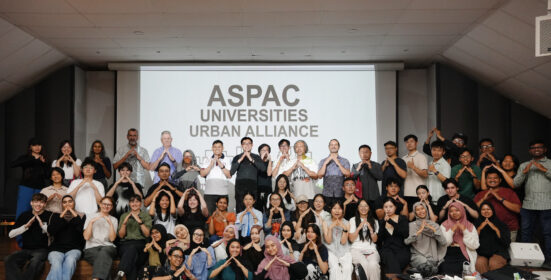
It is in this context that two Universiti Teknologi Malaysia (UTM) Master of Architecture students led by Dr. Adrian Yat Wai Lo, from the Faculty of Built Environment and Surveying (FABU), participated in the ITB Global Studio 2026 international workshop on the theme of Measuring Informality and Climate Adaptation in the Urban South at Institut Teknologi Bandung (ITB), Indonesia, from July 9th to July 13th, 2026.
The ITB Global Studio is an international collaborative programme that brought together 37 students and researchers, as well as nine lecturers from six different countries, and assisted by 12 ITB ‘buddies’, to study urban informality and climate change through lectures, workshops, fieldwork, community engagement, and collaborative design.
Within an informal settlement context, the studio sought to strengthen participants’ knowledge and practical skills in urban planning and design, with particular emphasis on inclusive, resilient, and sustainable urban development in the Global South. Learning activities focused on collaboration with local communities and interdisciplinary approaches to address urban challenges.
The ITB Global Studio is a flagship program conducted by the Urban and Regional Planning Program, School of Architecture, Planning, and Policy Development (SAPPD) since 2015, and has been recognised globally as well as received international awards, including World Urban Solutions by World Urban Campaign 2016 and Student Award Special Mention at the International Society of City and Regional Planners (ISOCARP) World Congress 2020.
The Global Studio 2026 was held in the cities of Cirebon and Bandung, Indonesia, hosted by ITB and joined by partner universities of the Asia-Pacific (ASPAC) Universities Urban Alliance, namely, the University of Sydney (USYD) from Australia, Hunan University (HNU) and Renmin University of China (RUC) from China, and UTM from Malaysia.
Lecture inputs for the Global Studio 2026 were provided by academics from the University of Auckland (UoA), New Zealand; University of Aveiro (UAVR), Portugal; German University of Cairo (GUC), Egypt; University of Economics Ho Chi Minh City (UEH), Vietnam; and ITB, along with the Indonesian new capital institution, namely, the Nusantara Capital Authority (IKN).
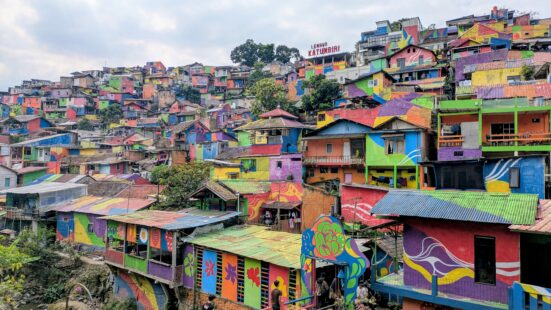
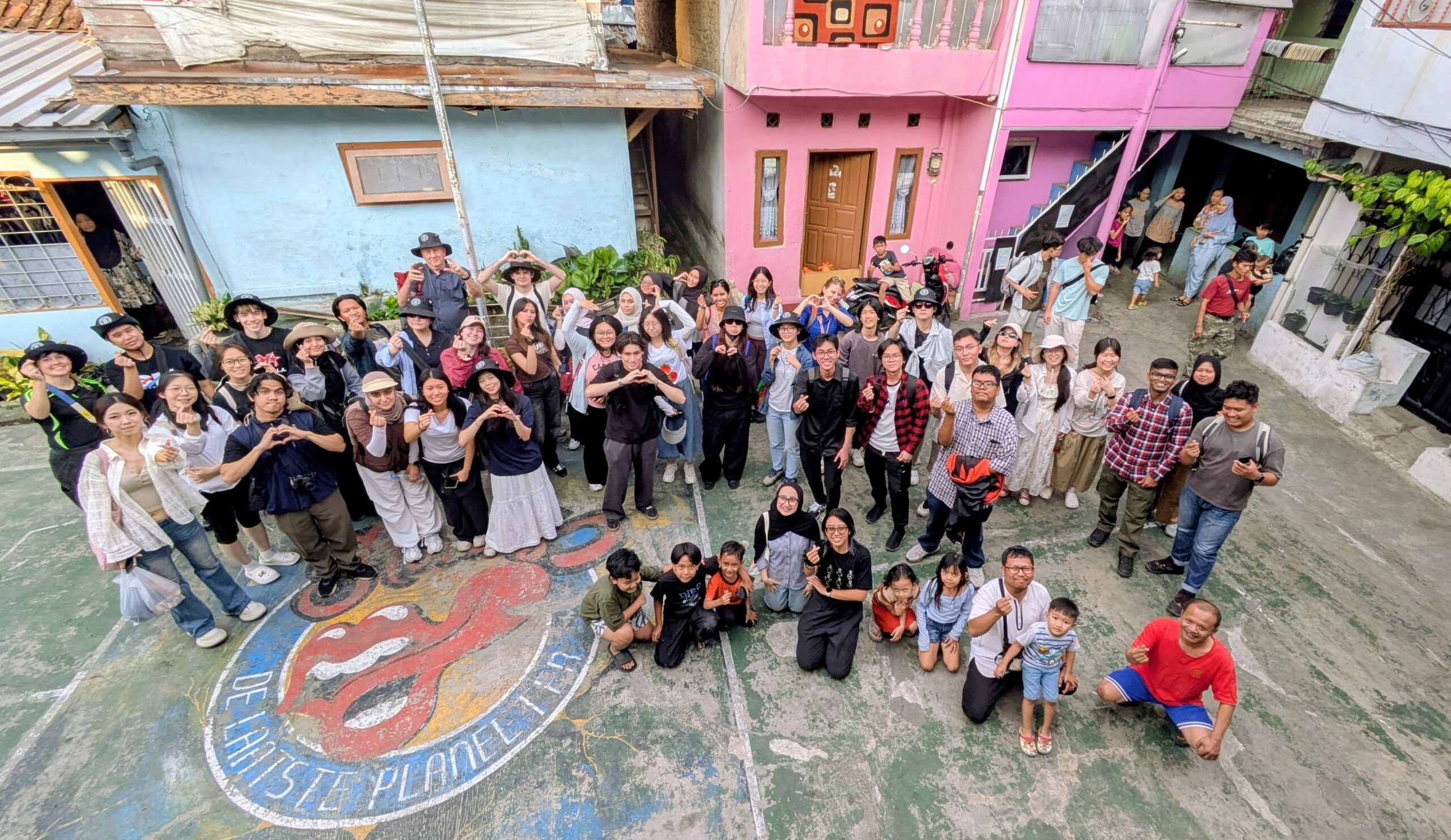
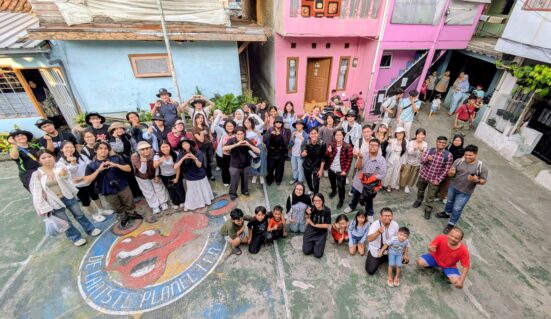
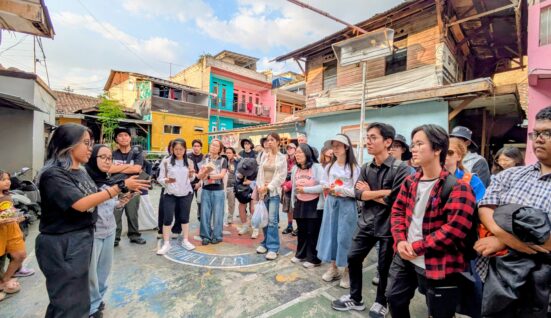
Participants gained an immersive experience through site surveys and community meetings at Lebak Siliwangi and Kampung Pelangi, which are two communities within the vicinity of the ITB Ganesha campus in Bandung.
Participants also attended a hybrid presentation by Indonesia’s IKN on the current progress of the new capital city’s planning and development. Following site surveys and community meetings, participants engaged in group work, discussions, and research, which they shared in daily presentations of their findings and outcomes.
Students were encouraged to examine the ‘city as it is’ and understand context, looking beyond the dichotomy of formal and informal, while focusing on specific topics ranging from waste, water, governance, amongst other issues.
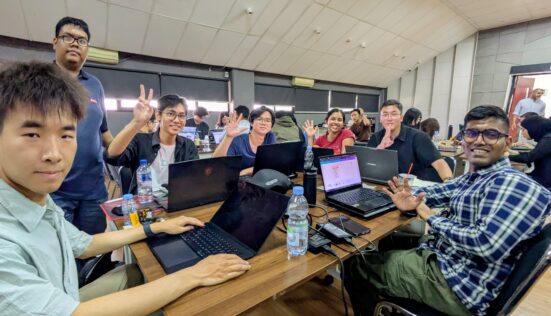
With only four years remaining to achieve the UN Sustainable Development Goals (SDGs), unfortunately, in the context of Asia-Pacific, many of the targets are not within reach by 2030.
Aligned with SDG17 of partnerships for the goals, the ASPAC Universities Urban Alliance shares a common commitment towards achieving a better understanding and implementation of SDG11 of sustainable cities and communities, and the urban dimensions of other SDGs (SDG 6 clean water and sanitation, SDG12 responsible consumption and production, etc.) via education and research with students, academics, communities, governments and other stakeholders, at the local level.
Thus, the global studio sought to better interpret how to accept, acknowledge, and contribute to more inclusive cities that truly leave no one and no place behind.