


📝 Summary
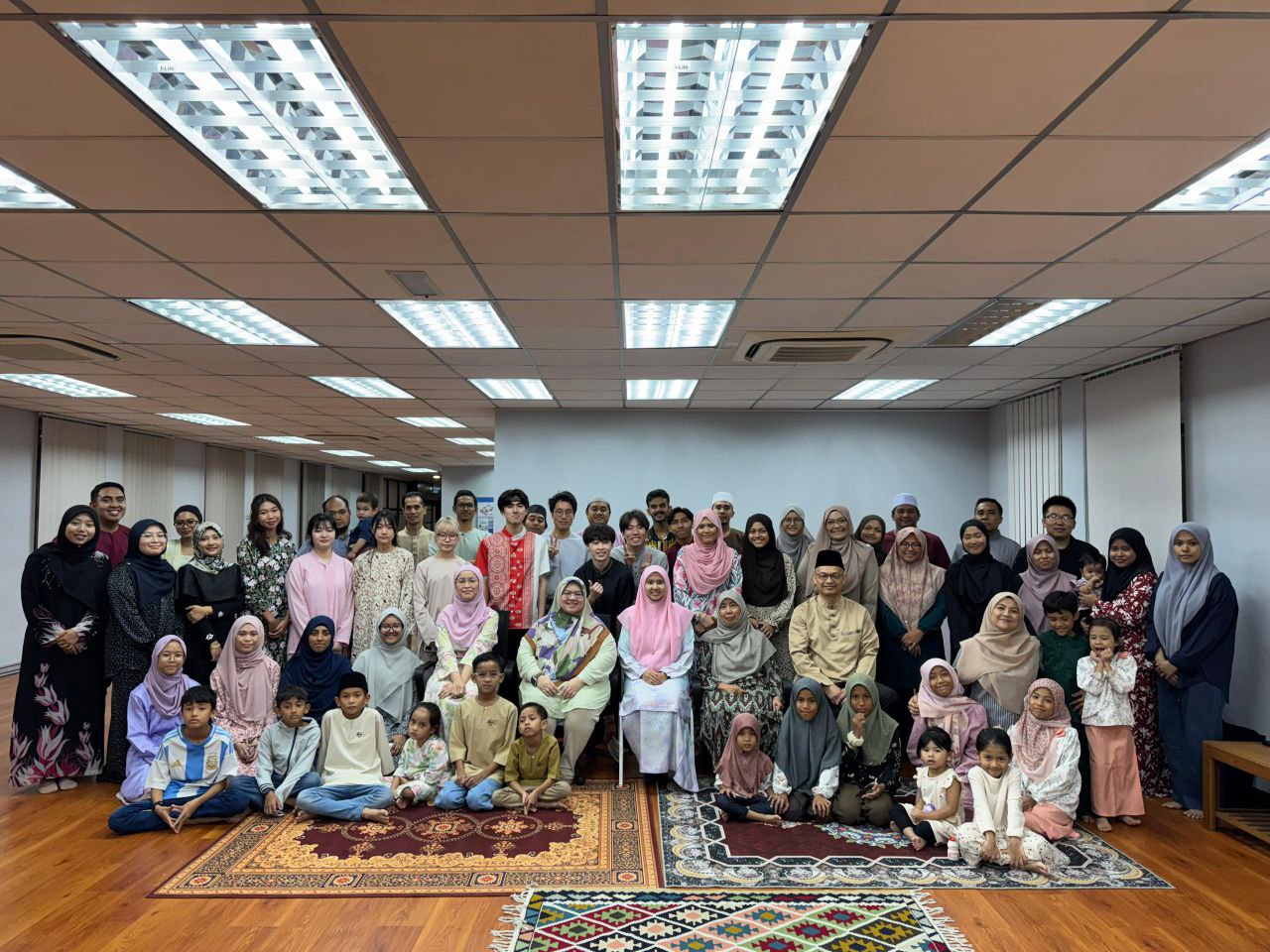
Universiti Teknologi Malaysia (UTM) and Niigata University in Japan have strengthened their global engineering collaboration through the MATSURI 2.0 program, which aims to equip students with relevant engineering competencies and global competencies. The program, which ran from February 19 to March 27, 2026, included experiential learning activities such as a visit to the Kota Johor Lama Museum. The collaboration reflects a shared commitment to advancing engineering education beyond borders and preparing students for an increasingly interconnected world.
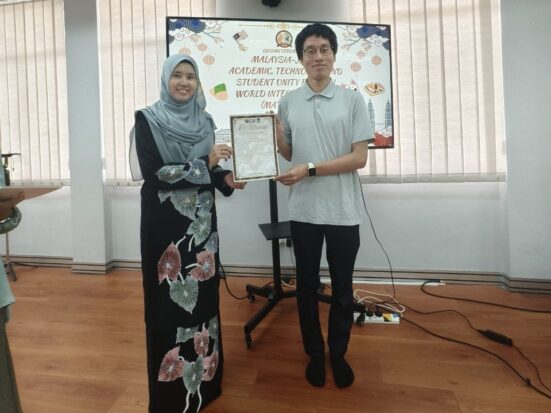
JOHOR BAHRU, Mar 28 – Universiti Teknologi Malaysia (UTM), through the Centre for Engineering Education (CEE), continues to strengthen its global engagement initiatives with Niigata University (NU), Japan, through the implementation of the Malaysia–Japan Academic, Technology and Student Unity for Real-World Integration (MATSURI 2.0): Engineering Bonds Beyond Borders program. The program was held from 19 February to 27 March 2026.
Established under a Letter of Collaboration (LoC) signed in 2024, the MATSURI program was designed by Dr. Nurzal Effiyana Ghazali to equip participants with relevant engineering competencies aligned with current industry needs, as well as the International Engineering Alliance Graduate Attributes and Professional Competencies. MATSURI 2.0 has been further enhanced to move beyond conventional language and cultural exchange models, offering an immersive learning experience that integrates intercultural engagement, professional development, and real-world engineering exposure.
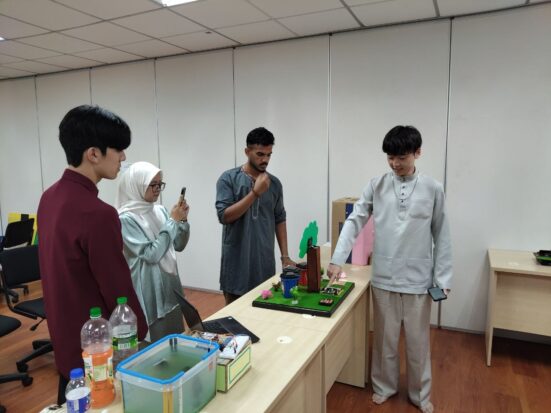
This initiative represents a strategic continuation of academic and research collaboration between UTM and Niigata University, led by Dr. Nurzal Effiyana Ghazali and Assoc. Prof. Dr. Yasutaka Ueda. Findings from MATSURI 1.0, which will be presented at the International Conference on Active Learning in Engineering Education (PAEE/ALE 2026) at Taisho University, Tokyo, Japan, this June, indicate that the program significantly enhanced students’ intercultural competence, communication and professional skills, confidence in global settings, and lifelong learning mindset. Building on these outcomes, the current edition expands the program into a holistic professional development platform that integrates multiple components, including English communication and workplace readiness training, digital and technical skills development, cultural immersion and heritage exploration, environmental engagement activities, and peer-based collaborative learning.
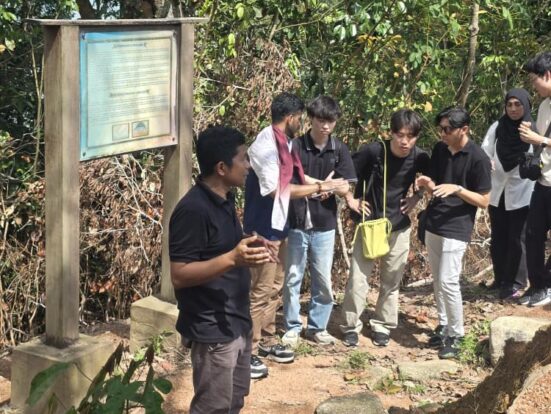
As part of the experiential learning activities, the program also included a visit to the Kota Johor Lama Museum. Special appreciation is extended to the museum for its commitment to supporting the program and for helping students connect historical heritage with engineering perspectives, enriching their understanding of how past innovations and cultural contexts shape modern engineering practices.
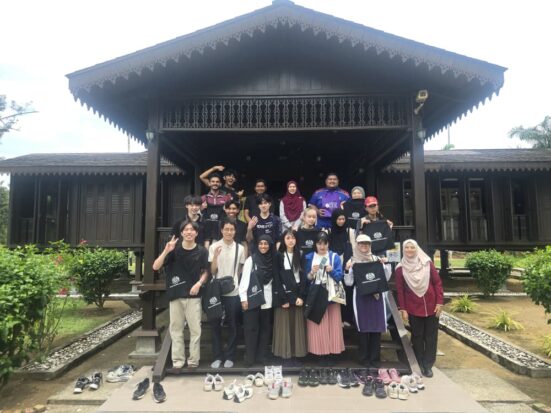
With its strong foundation and evidence-based impact, MATSURI 2.0 is positioned as a signature international program under CEE, contributing to the development of future engineers equipped with both technical expertise and global competencies.
The collaboration between UTM and Niigata University reflects a shared commitment to advancing engineering education beyond borders, fostering meaningful intercultural engagement, and preparing students for the demands of an increasingly interconnected world. This program also stands as a research-informed initiative designed to support the holistic development of engineering students.
