
📝 Summary
UTM International organized a community outreach program at an orphanage in Batu Pahat, promoting community engagement and the spirit of kindness and charity during Ramadan. International students and staff worked together to repaint the orphanage and participate in a traditional “rewang” session, learning about Malaysian culture and values. The program fostered a sense of social responsibility, community awareness, and cultural understanding among the participants.
BATU PAHAT, Mar 6 – UTM International successfully organised a meaningful community outreach programme, Program Rewang dan Berbuka Puasa Bersama Anak-anak Yatim at the Pusat Kebajikan Anak Yatim Islam (PKAYI), Batu Pahat. The programme brought together international students and UTM International staff to promote community engagement and the spirit of kindness and charity during the holy month of Ramadan.
The programme was significant because it was not just about charity and community service. The program was also part of the Internationalisation at Home strategy initiated by the university. This initiative encouraged international students to experience Malaysian culture and traditions firsthand while studying at the university. This community service experience has provided them with an opportunity to gain insight into the social values and community spirit of the people of Malaysia.
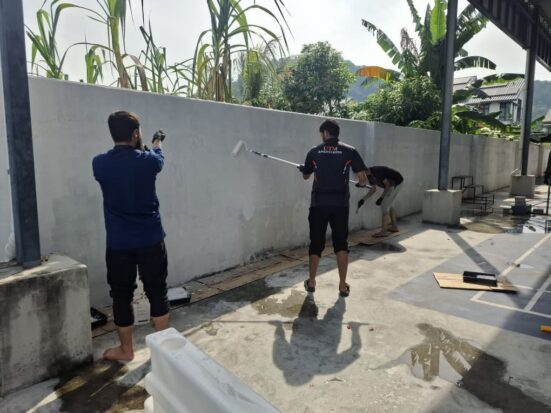
From the early hours of the programme, the participants embraced the spirit of volunteerism. The international students and the UTM International staff worked side by side to repaint the walls of the orphanage. This was an opportunity for the participants to contribute to transforming the space into a brighter and more cheerful environment for the children. They were armed with paint rollers and paintbrushes and took part in the activity, turning what might have been a simple task into a lively moment of teamwork and bonding.
For many of the international students, the activity represented their first opportunity to contribute directly to a local welfare institution. The simple act of improving the children’s living environment became a meaningful experience that strengthened their sense of social responsibility and community awareness. The highlight of the program was the ‘rewang’ session. ‘Rewang’ is an important Malay tradition that promotes community spirit and cooperation.
During this session, international students were given the rare opportunity to take part in preparing traditional dishes alongside UTM International staff. From cutting ingredients and stirring large cooking pots to learning traditional preparation techniques, the students experienced firsthand the collaborative nature of Malaysian communal cooking.
Beyond the culinary experience, the ‘rewang’ session also served as a medium for cultural education. Participants discovered how this tradition embodies the values of cooperation, humility and collective responsibility, which remain deeply rooted in Malaysian culture, particularly during Ramadan.
“We want our students to not only excel academically but also develop a strong sense of empathy and social awareness towards the local community,” said Assoc. Prof. ChM. Dr. Norahim Ibrahim, Associate Director of Global Education & Experience (GEE), represented UTM International at the event.
“Through the ‘rewang’ tradition and community programmes like this, our international students can experience the richness of Malaysian culture, particularly the values of cooperation, generosity, and compassion that define the month of Ramadan,” he added.
The evening programme was also attended by Hj. Mohd Manoor Jemeran, Yang Dipertua of PKAYI Batu Pahat, alongside UTM International staff members who played a vital role in coordinating the activities.
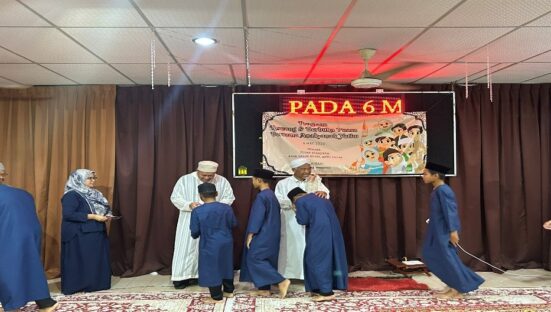
As the sun began to set, the atmosphere became increasingly lively and joyful. The children of PKAYI gathered with the volunteers for the much-anticipated moment of breaking fast. Before the iftar, the children received duit raya and specially prepared gift bags, which brought visible excitement and smiles to their faces. The small gestures symbolised not only generosity but also the shared spirit of caring and appreciating between the university community and the children at the orphanage.
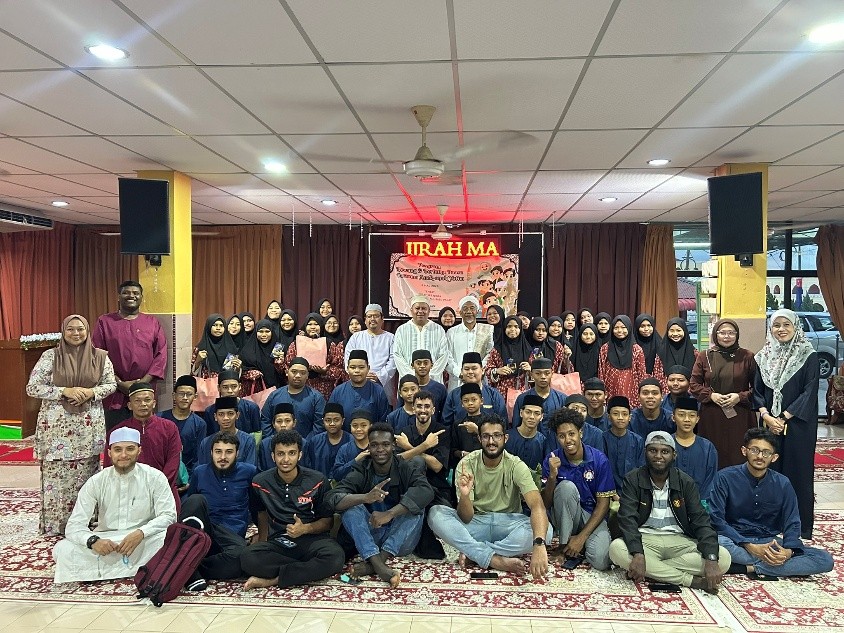
One of the most touching moments of the evening came when the university representatives, PKAYI management, staff members, and international students sat together with the children in the dining hall to break their fast. The simple act of sharing a meal highlighted the true essence of Ramadan, which showed humility, gratitude, and togetherness.
Rather than creating a formal atmosphere, the meal fostered a sense of family and belonging among everyone present. Conversations flowed naturally as students interacted with the children through stories and laughter while enjoying the food that had been prepared earlier through the rewang activity.
After the iftar session, participants continued the evening with congregational prayers for Maghrib, Isyak, and Tarawih prayers. This helped to strengthen the spiritual atmosphere of the programme. The shared prayers provided a moment of reflection and gratitude, reminding participants of the deeper meaning of Ramadan as a time for compassion, unity, and self-improvement.
The programme concluded with a moreh (supper) session, which allows participants to relax and continue interacting in a warm and friendly setting. By the end of the evening, what began as a community outreach initiative had evolved into a meaningful cultural and emotional experience for everyone involved.
For the international students, the programme offered more than just volunteer work. It became a valuable opportunity to understand Malaysian traditions, connect with the local community, and experience the spirit of Ramadan in a deeply personal way.
Through initiatives such as this, UTM International continues to demonstrate its commitment to producing globally minded graduates who are not only academically competent but also socially responsible and culturally aware. The Program Rewang dan Berbuka Puasa Bersama Anak-Anak Yatim stands as a testament to how meaningful engagement with the community can create lasting memories and strengthen bonds that transcend cultural and national boundaries.