
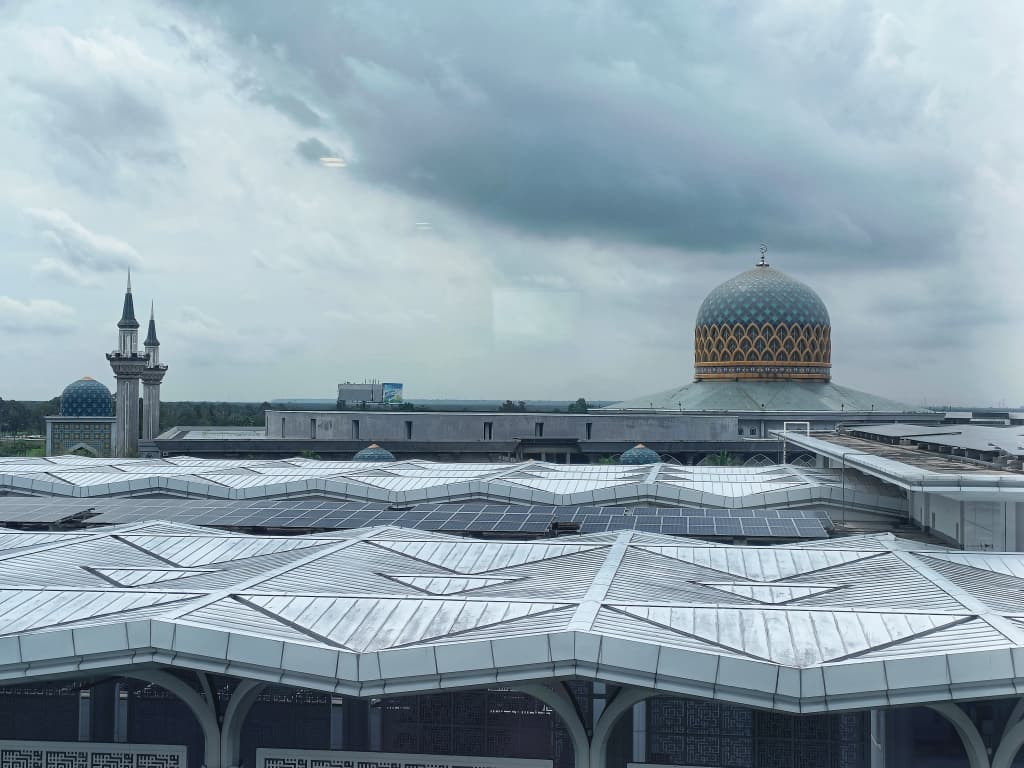

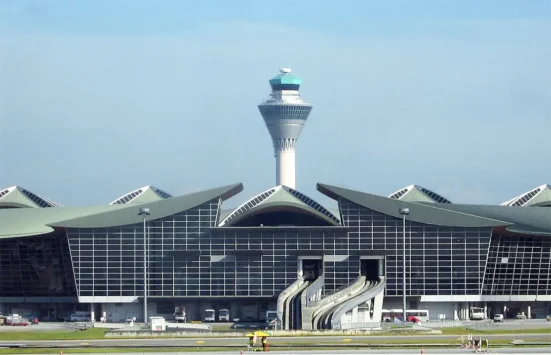
The landscape surrounding Kuala Lumpur International Airport (KLIA) presents an observation that’s both compelling and, frankly, a little new rejuvenation is needed. We have a world-class global gateway, a phenomenal piece of infrastructure that connects Malaysia to every corner of the planet, yet, within a 5 km radius, the immediate environment feels like a place paused in transition. It’s an aerotropolis-in-waiting that hasn’t quite found its soul. Instead of a vibrant, integrated urban centre pulsing with the rhythm of global commerce and offering a superior quality of life, the area currently feels more like a necessary buffer zone, a functional, yet emotionally disconnected, satellite. The profound paradox here is the untapped potential that this area is geographically situated for global connectivity, but it’s failing its immediate residents by not translating that access into tangible, cohesive community benefits and a truly engaging sense of place.
A Vision of Integrated Beauty
To find the world’s most beautiful airport area within a 5 km radius, we must look beyond stunning terminals like Singapore’s Jewel Changi or Doha’s Hamad. The most compelling beauty is the one that seamlessly integrates its operations with its surrounding natural and human environment, creating a tangible quality of life. The clear winner for this blend of natural setting, world-class infrastructure, and direct community benefit is often cited as the approach to Innsbruck Airport (INN) in Austria or even the development surrounding Zurich Airport (ZRH) in Switzerland.
Innsbruck offers a dramatic, breathtaking arrival, with steep, green Tyrolean Alps embracing the valley floor. But let’s focus on Zurich. While the terminal architecture is efficient, the surrounding area is nestled within a nature reserve. The community benefits are immediate within the 5km radius, residents enjoy direct access to cycling and walking trails, high-quality, efficient public transit (reducing reliance on cars), and dedicated viewing decks that turn plane-spotting into a family activity. This proximity does not just bring jobs; it delivers an enhanced lifestyle, a cosmopolitan, multicultural hub built on Swiss precision but with a strong emphasis on ecological and social well-being. It’s an area where the airport’s economic engine directly funds a superior, nature-integrated infrastructure for its residents.
A Critical Lens on KLIA’s 5 km Radius
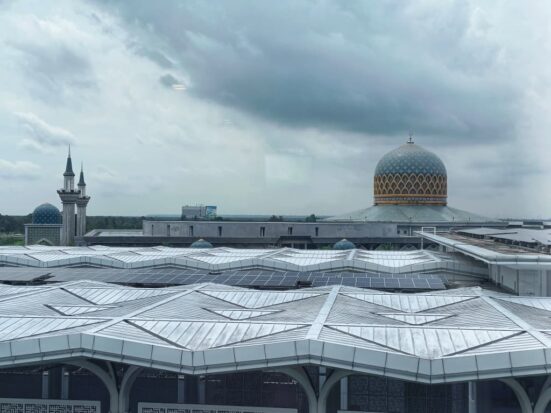
Now, let’s turn our critical eye to our own backyard, the 5 km radius surrounding the Kuala Lumpur International Airport (KLIA). This area, with its vast tracts of land and a world-class gateway at its core, holds immense, yet largely untapped, potential. While KLIA is a crucial national asset, the communities immediately surrounding it often feel disconnected physically, socially, and emotionally from the economic powerhouse just a few kilometres away. They are positioned for global access but often lack the local, high-quality, and integrated social infrastructure that defines the successful aerotropolis model.
The current benefits are mainly logistical and industrial such as job opportunities in aviation, logistics, and hospitality, and the potential for property value appreciation due to future infrastructure projects. However, the human touch is missing. There is a need to move beyond a focus on sheer commercial space and cargo-handling towards cultivating a truly liveable, cohesive, and vibrant community that feels a sense of ownership and pride in its monumental neighbour.
An Aerotropolis of Ukhuwah (Brotherhood)
To truly elevate the KLIA area, we must adopt a paradigm shift from seeing the airport as a purely transactional hub to viewing it as a catalyst for a holistic, sustainable community development. This transformation must centre on three core pillars: Integrated Connectivity, Green and Smart Infrastructure, and Cultural Placemaking. We must start with integrated connectivity, ensuring that high-speed public transport, walking paths, and cycling lanes link residential areas directly not just to the terminal but to local schools, retail centres, and green spaces, mirroring the seamless quality-of-life benefits seen in places like Zurich.
This is the benefit to gain, a community that is not just near an airport but organically linked to the global economy, enjoying a premium, highly connected lifestyle that makes the daily grind easier and more fulfilling. Imagine a high-quality local park where airline staff, local farmers, and international business travellers can all enjoy a moment of peace.
Reimagining the Public Realm
The place to start is small, focused, and high-impact, reinvesting in the public realm. This involves a public-private partnership focused on establishing a “KLIA 5km Community Development Fund”. The first priority should be the creation of multifunctional community nodes like small, beautifully designed hubs offering co-working spaces, local artisan retail, and shaded recreational areas. These must be strategically located at the intersection of residential areas and new public transport links.
A tangible project could be the “Aerotropolis Green Spine”, transforming a key 5km stretch of road or buffer land into a linear park with dedicated non-motorised transport lanes (walking, cycling). This immediately tackles the crucial issues of air quality, noise buffering, and providing accessible leisure space. It transforms a barrier into a connector.
Cultivating a Human-Centred Economy
The current employment benefits are often siloed. We must foster a human-centred economy by launching a “Local Skills, Global Jobs” initiative. This means partnering with KLIA’s major tenants (airlines, logistics, retail) to offer accredited training and apprenticeship programmes specifically for residents within the 5 km radius. This not only guarantees local jobs but also builds a highly skilled, stable workforce that views the airport as a lifelong career path, not just a temporary workplace.
By ensuring local hiring, we cultivate a sense of pride and identity among the residents, knowing they are the heart of the national gateway. The real estate market will naturally follow; a community with guaranteed employment, high-quality public space, and excellent connectivity commands a premium and sustains its long-term value.
The Power of Cultural Placemaking
A city needs a soul. For the KLIA Aerotropolis, this means embracing the rich, multicultural fabric of Malaysia and its Islamic heritage through cultural placemaking. A dedicated, architecturally significant “KLIA Gateway Cultural Centre” within the 5km zone could serve as a venue for international conferences, local bazaars, and cultural performances. This centre would act as the civic anchor, positioning the area not just as a transit stop, but as a destination that celebrates Malaysian identity for all who pass through.
By weaving in traditional design elements, green technology, and spaces for contemplation and community gathering, we can create an environment that feels welcoming, rooted, and distinctively Malaysian. This intentional placemaking combats the feeling of an impersonal, transient airport neighbourhood.
The critical analysis is clear. The potential of KLIA’s immediate surroundings is immense, but its realisation demands a proactive, integrated, and human-focused development plan that elevates the quality of life alongside economic metrics. We must act with the commitment and foresight of our global counterparts. The future of this community depends on a shared vision between government, airport operators, private developers, and, most importantly, the residents themselves. The journey to build a truly beautiful and thriving aerotropolis is not just about concrete and steel but about nurturing the spirits of the people who call this area home.
“Indeed, Allah will not change the condition of a people until they change what is in themselves.” (Surah Ar-Ra’d, 13:11)
