



📝 Summary
Universiti Teknologi Malaysia (UTM) strengthened its academic ties with the University of Kamalia in Pakistan through a two-day programme, exchanging knowledge on high-impact research, scholarly communication, and innovation. The programme aimed to enhance research capabilities and encourage students to connect their academic interests with wider opportunities. The engagement also explored potential academic links, including collaborative research, faculty and student mobility, and joint academic activities.
Universiti Teknologi Malaysia (UTM) expanded its academic engagement in Pakistan through a two-day programme at the University of Kamalia on 21 and 22 September 2026. The engagement brought together UTM expertise and the University of Kamalia’s academic community to exchange knowledge on high-impact research, scholarly communication, innovation and international opportunities for students.
The programme was led by a Senior Lecturer at the Faculty of Chemical and Energy Engineering (FKT) and Deputy Director of the Centre for Advanced Composite Materials (CACM), Ts. Dr. Ahmad Ilyas Rushdan. His sessions formed part of the University of Kamalia’s programme themed “Enhancing Research Excellence, Quality Education, Innovation and Future Skills”, with a focus on strengthening research capabilities and encouraging students to connect their academic interests with wider opportunities.
Strengthening research and scholarly publishing
In a session entitled “How to Publish High Impact Factor Research Publications: Strategies, Challenges and Best Practices”, Ts. Dr. Ahmad Ilyas shared practical guidance with faculty members, researchers and postgraduate scholars on developing publishable research. The session traced the process from identifying a meaningful knowledge gap to presenting robust and original scientific findings.
The presentation examined how research novelty, experimental design, high-quality data, advanced analysis and clear scientific argumentation influence manuscript quality. It also addressed selecting journals that align with a study’s contribution, interpreting publication indicators appropriately, preparing manuscripts according to journal requirements, responding constructively to peer reviewers and strengthening the visibility of published research.
The discussion highlighted that publication in reputable, high-impact journals should not be treated simply as a way to meet quantitative targets. Rigorous methodology, sound evidence, reproducibility and sustained scientific contribution remain central to credible research. These considerations are especially relevant to early-career researchers seeking to improve the quality and international reach of their scholarly work.
Connecting student ideas with global opportunities
A separate lecture, “From Ideas to Impact: Research, Innovation and Global Opportunities for Students”, connected academic curiosity with research practice, creative problem-solving and real-world applications. It introduced a research-to-impact pathway linking an initial idea with evidence, publication, innovation and outcomes that may benefit society.
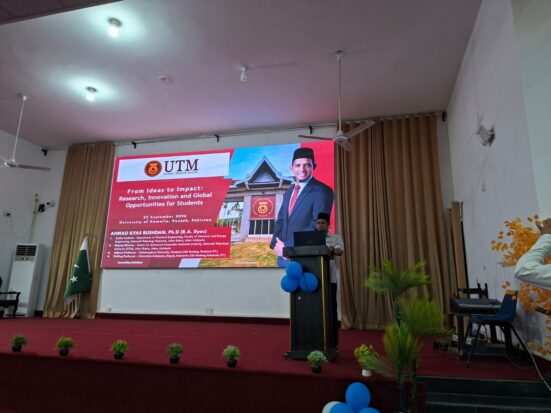
Students were encouraged to develop a research mindset, strengthen analytical and interdisciplinary skills, identify real problems worth solving and validate proposed solutions through credible evidence. Examples from engineering and sustainable materials illustrated how research can contribute to technological development, responsible innovation and broader societal needs.
The session also introduced pathways to international exposure, including postgraduate study, visiting research placements, student exchanges, conferences, internships and joint supervision. Students were encouraged to build research portfolios, communicate their work confidently and seek opportunities to connect with international laboratories and academic networks. Such opportunities can help students understand how academic knowledge is developed, tested and shared beyond their own institutions.
Exploring academic cooperation
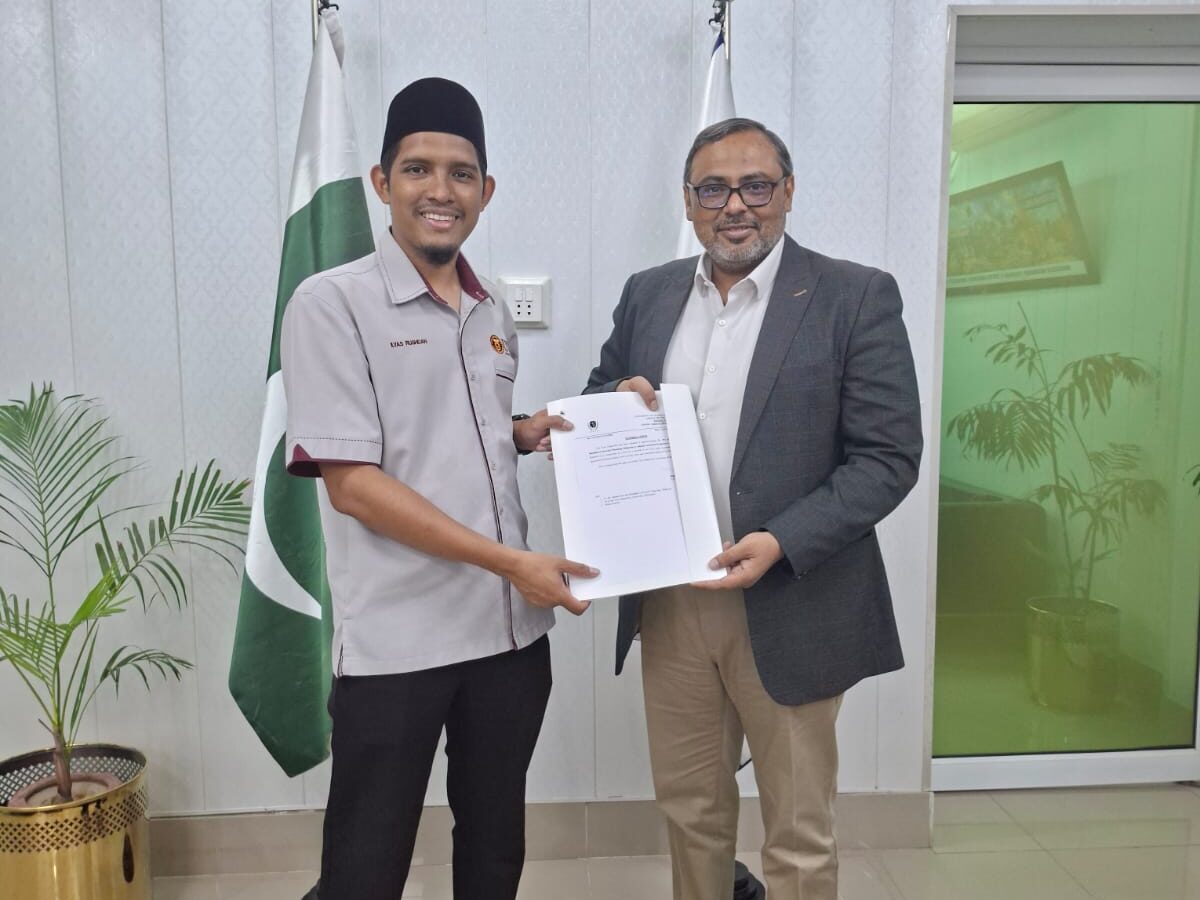
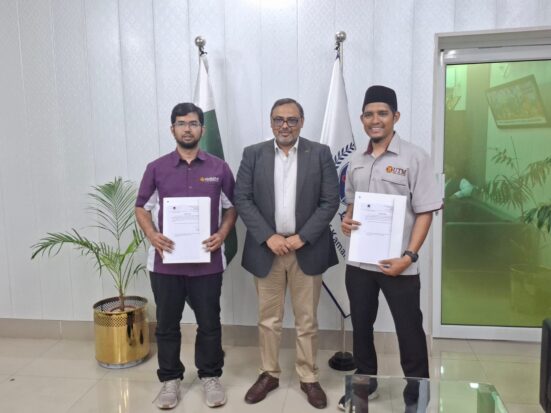
Beyond the lectures, Ts. Dr. Ahmad Ilyas engaged with the University of Kamalia’s leadership, including Vice Chancellor Prof. Dr. Yasir Nawab, to discuss potential academic links with UTM. Areas considered included collaborative research, faculty and student mobility, joint academic activities, research training and knowledge exchange in emerging technologies and innovation.
The programme also featured a Letter of Expression (LoE), reflecting interest in exploring future academic cooperation. Any future activities arising from the engagement would depend on the institutions’ discussions, agreed priorities and necessary approvals.
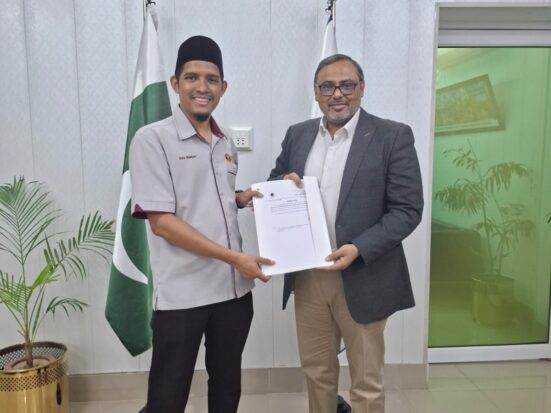
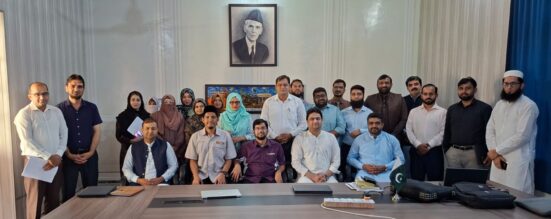
The discussions highlighted the importance of turning academic exchanges into practical and sustained relationships. For UTM, international engagement can create channels for researchers and students to share expertise, explore common research interests and identify opportunities for professional development. The longer-term value of such links will depend on whether initial discussions lead to concrete activities and mutually beneficial outcomes.
Sustainability as a symbol of friendship
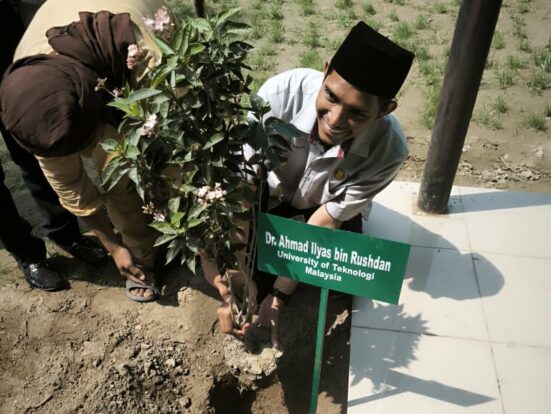
As part of the visit, Ts. Dr. Ahmad Ilyas participated in a commemorative tree-planting activity on the University of Kamalia campus. The activity symbolised environmental stewardship, academic friendship and the aspiration for lasting Malaysia–Pakistan educational ties. While symbolic in nature, sustainability-related engagement also provides a shared theme through which institutions can connect environmental responsibility with education and research.
The engagement received coverage in Pakistani news and education outlets, including UrduPoint, Pakistan Point, Star News HD Online and Academia Magazine. This coverage helped raise awareness of UTM’s academic engagement in Pakistan and the potential for cross-border cooperation.
By bringing together research capacity-building, student development, partnership dialogue and sustainability outreach, the University of Kamalia programme provided a platform for exchanging expertise and exploring future collaboration. It reflects UTM’s commitment to internationally engaged education, responsible innovation and research with societal relevance. The next step is to translate the areas discussed into clearly defined activities, which are mutually agreed and formally approved, so that the engagement can deliver tangible value for students, researchers and both institutions.
