


📝 Summary
A research team from Universiti Teknologi Malaysia (UTM) is developing a comprehensive plan for Sarawak’s hydrogen economy, combining demand forecasting, mathematical optimisation, and carbon footprint assessment to ensure sustainability and competitiveness. The team’s research aims to support Sarawak’s long-term hydrogen economy planning and implementation of the Sarawak Hydrogen Economy Roadmap. The initiative demonstrates how Malaysian research and innovation can contribute to building a competitive, sustainable, and internationally recognised hydrogen economy for Sarawak.
KUCHING, Oct 9 – A research team from Universiti Teknologi Malaysia (UTM) is supporting Sarawak’s ambition to become a leading hydrogen hub in Southeast Asia through an integrated engineering approach to strengthen long-term hydrogen economy planning.
Led by Prof. Ir. Ts. Dr. Sharifah Rafidah Wan Alwi from UTM’s Faculty of Chemical and Energy Engineering (FKT), the research programme, “Planning of a Sustainable Hydrogen Economy for Sarawak State”, is funded under Sarawak Premier’s Chair Grant, sponsored by the Land and Survey Department Sarawak (JTS).
The programme combines hydrogen demand forecasting, mathematical optimisation, industrial symbiosis and carbon footprint assessment to identify suitable production technologies and capacities, improve resource efficiency and minimise production costs and carbon emissions.
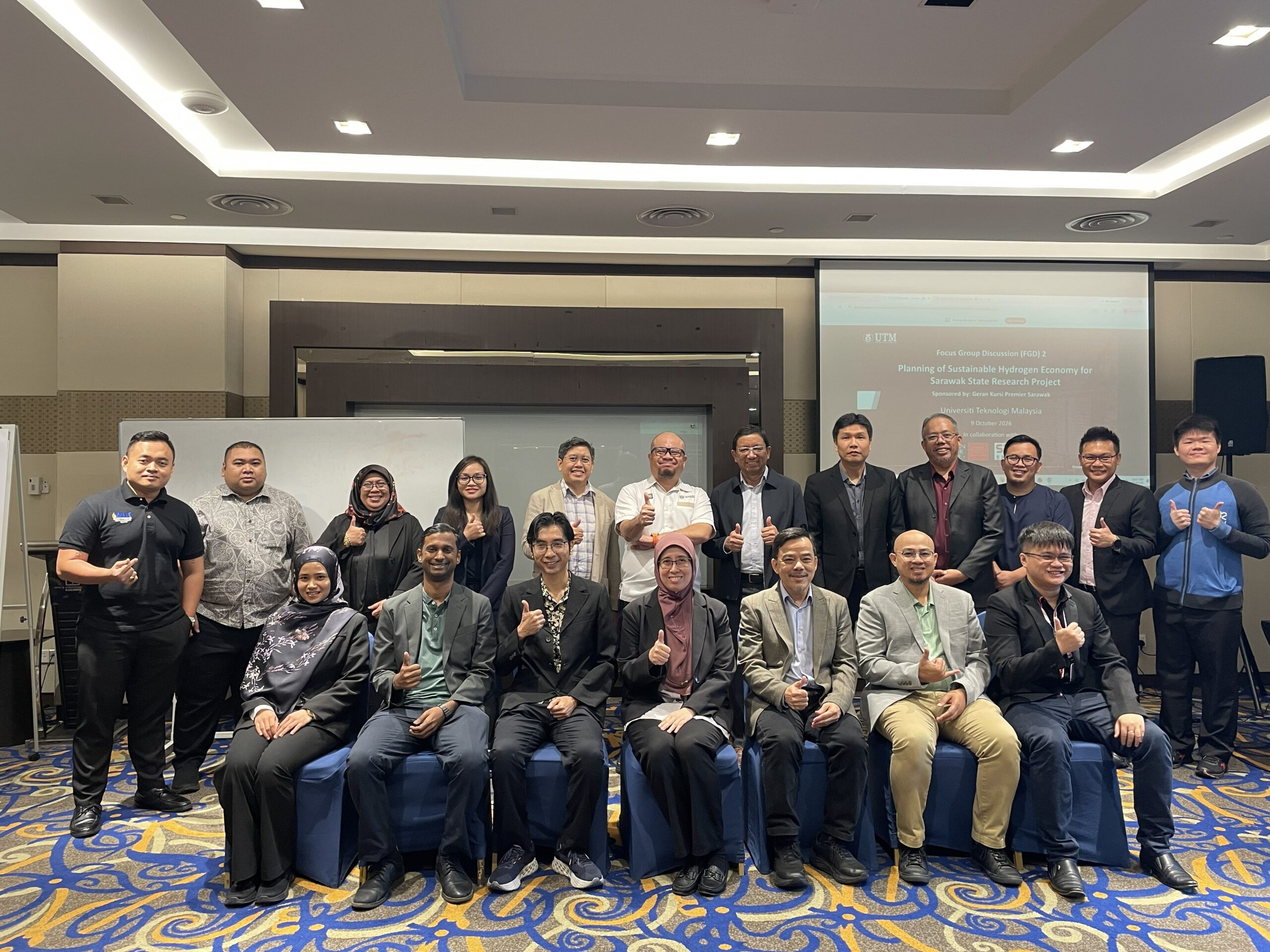
The team presented its latest progress during the Second Focus Group Discussion (FGD 2) and Knowledge Transfer Programme (KTP), held on 9 October 2026 at Raia Hotel and Convention Centre, Kuching. The session built on the first discussion, held on 31 March 2026, which gathered input from government agencies, industry stakeholders and academic institutions on Sarawak’s hydrogen development priorities.
Participating organisations included the Ministry of Energy and Environmental Sustainability Sarawak (MEESty), the Ministry of Utility and Telecommunication Sarawak, SEDC Energy, PETROS, Sarawak Energy Berhad, Sarawak Metro, Senari Synergy, Sarawak Petchem, Swinburne University of Technology Sarawak Campus and UTM.
The research comprises three complementary studies. The first, led by Assoc. Prof. Ir. Dr. Lim Jeng Shiun, focuses on integrated hydrogen and energy planning, forecasting demand and evaluating production pathways towards 2050 under different economic, energy and policy scenarios.
The second study, led by Prof. Ir. Ts. Dr. Zainuddin Abd Manan, explores net-zero emission hydrogen production through industrial symbiosis, particularly within the Bintulu–Samalaju industrial cluster. It examines how shared carbon capture, utilisation and storage (CCUS) infrastructure could improve resource efficiency, strengthen cost competitiveness and reduce emissions.
The third study, led by Prof. Sharifah Rafidah Wan Alwi, assesses hydrogen product carbon footprints using Life Cycle Assessment (LCA) and examines international standards and certification frameworks in markets including the European Union, Japan, South Korea and China.
A key outcome highlighted during the programme was a Greenhouse Gas (GHG) Emission Calculation Tool for Sarawak’s Green and Low-Carbon Hydrogen Pathways. Developed under the third study, the tool enables stakeholders to quantify and compare carbon footprints across hydrogen production pathways and benchmark carbon intensity against relevant international standards and certification requirements.
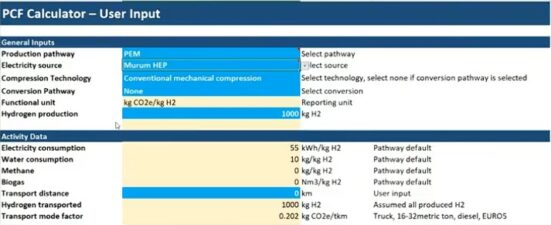
“As international hydrogen markets place greater emphasis on carbon intensity and traceability, having reliable assessment methodologies is becoming increasingly important. Our research aims to translate advanced engineering analysis into practical decision-support tools that can assist industries and policymakers in making informed decisions,” Prof. Sharifah explained.
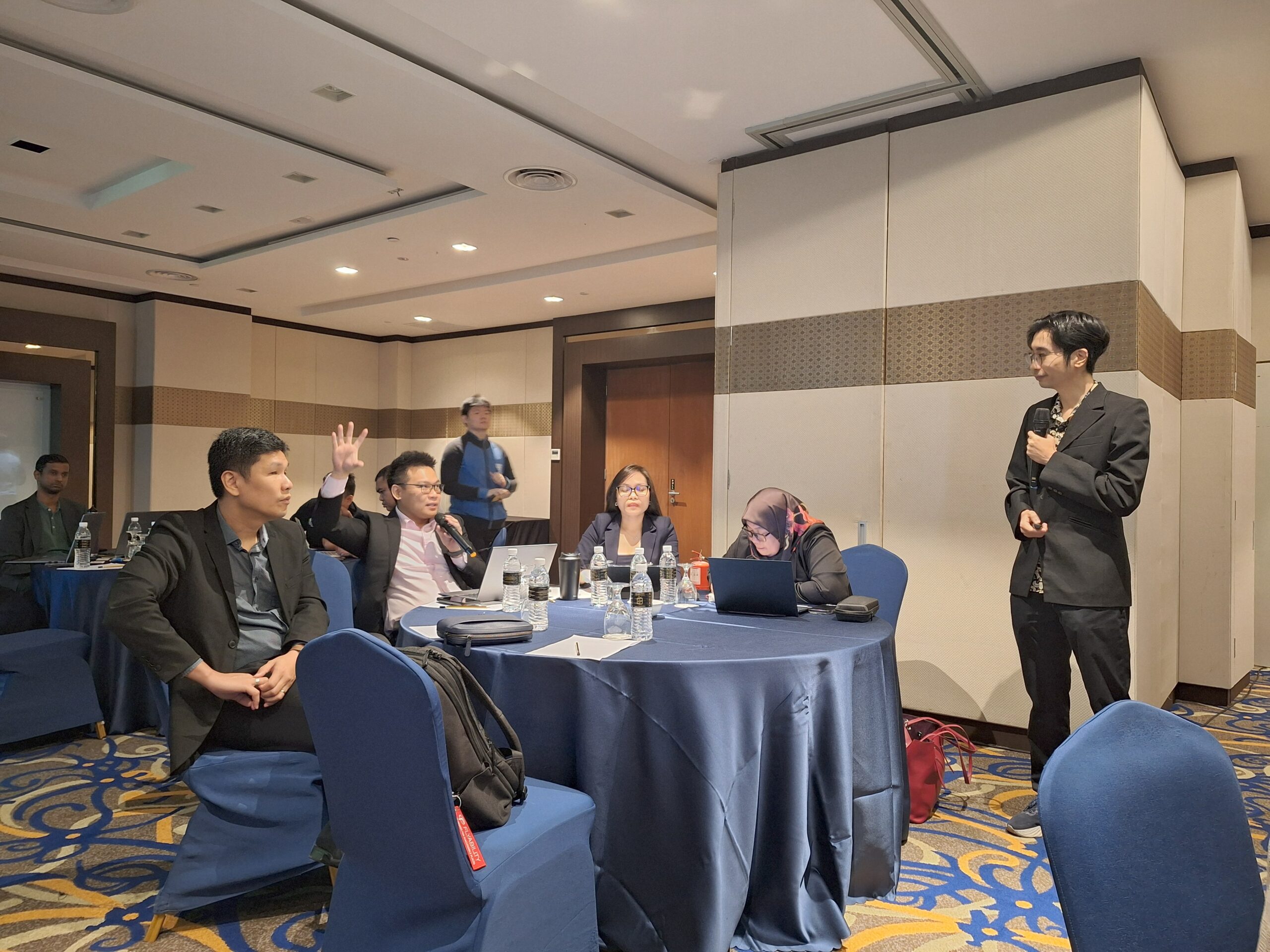
Feedback from stakeholders will support the next research phase, including refining and validating models using Sarawak-specific data, strengthening techno-economic and environmental assessments and developing practical policy and strategic recommendations.
The programme aims to deliver integrated hydrogen planning models, optimised production pathways, practical carbon assessment tools and evidence-based recommendations to support the Sarawak Hydrogen Economy Roadmap and the state’s long-term decarbonisation objectives.
