


📝 Summary
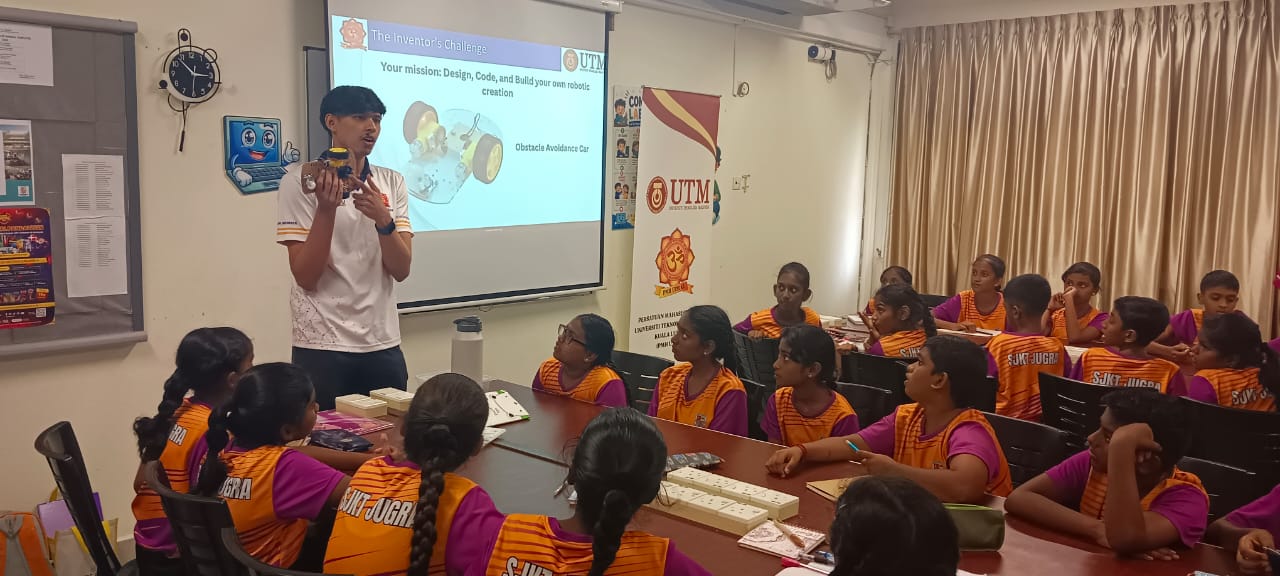
The Puthiya Manitha 2.0 programme, organized by Persatuan Mahasiswa Hindu (PMH) UTM Kuala Lumpur, introduced 56 students from a rural school to Science, Technology, Engineering, and Mathematics (STEM) concepts through hands-on activities and demonstrations. The programme aimed to provide early exposure to STEM-related pathways and show how classroom concepts can be applied through engineering, robotics, and technology. The students participated in three main sessions: Engineering, Robotics, and Programming, and received certificates at the conclusion of the programme.
JUGRA, Aug 19 – The first Puthiya Manitha programme of 2026, organised by Persatuan Mahasiswa Hindu (PMH), Universiti Teknologi Malaysia (UTM) Kuala Lumpur, introduced Science, Technology, Engineering and Mathematics (STEM) to 56 students from Standards 4, 5 and 6 at Sekolah Jenis Kebangsaan (Tamil) (SJKT) Jugra.
The programme aimed to provide students from a rural school with greater exposure to STEM and show how classroom concepts can be applied through engineering, robotics and technology.
The programme was organised by PMH UTM Kuala Lumpur in collaboration with the Institute of Electrical and Electronics Engineers (IEEE) Subsection Kuala Lumpur and IEEE UTM Kuala Lumpur Student Branch, with support from Vision Waste Disposal Sdn. Bhd. as programme sponsor. Seven facilitators guided the students through three main sessions – Engineering, Robotics and Programming – with an emphasis on interaction, demonstrations and hands-on learning.
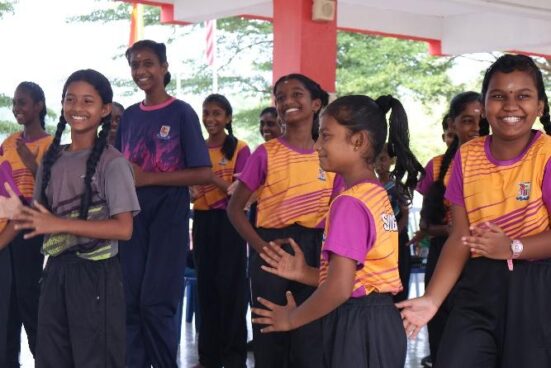
The programme began with a welcoming session by the school’s Headmaster, followed by a senamrobik session as an icebreaker.
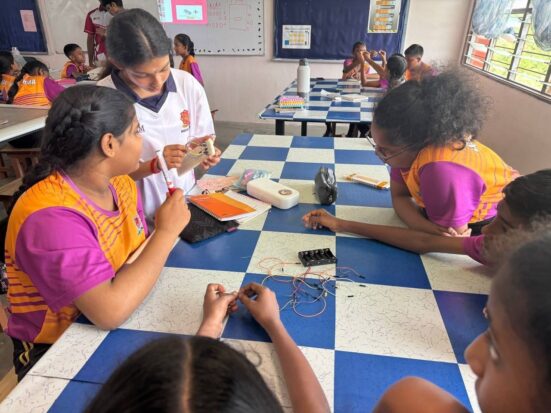
The Engineering session introduced basic electrical engineering through a hands-on breadboard activity, where students worked in 10 groups to build a timed traffic light system. The activity allowed them to observe how electrical components can be connected and controlled to produce a sequence of outputs.
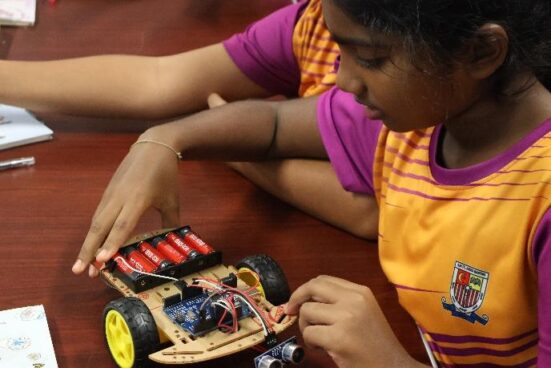
The Robotics session introduced students to the fundamentals of robotics, including how robots work and their applications in manufacturing, agriculture, healthcare and space exploration. A practical demonstration using a robotic car showed how sensors enable a robot to respond to obstacles and search for an alternative path, with Virocchan introducing students to the fundamentals and real-world applications of robotics.
The Programming session introduced students to programming as the process of giving instructions to computers or robots. Students were exposed to beginner-friendly technologies including Arduino Uno, BBC micro and ESP32, as well as concepts such as LED programming, sensors, servo motors and IF–ELSE decision-making. Tinkercad Circuits was also introduced as a virtual platform for exploring electronics and programming through circuit simulation, with Shamalan, Harine and Kanesh demonstrating programming concepts involving LEDs, sensors and electronic components.
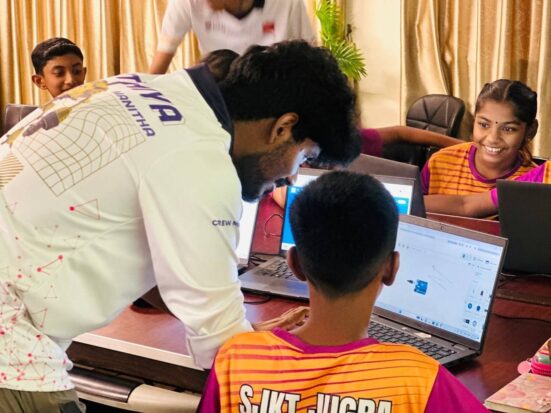
Throughout Puthiya Manitha 2.0, students were encouraged to ask questions and explore STEM through practical experiences. The programme brought engineering, robotics and programming together to show how these fields are connected and contribute to technologies used in everyday life, while providing early exposure to possible STEM-related pathways.
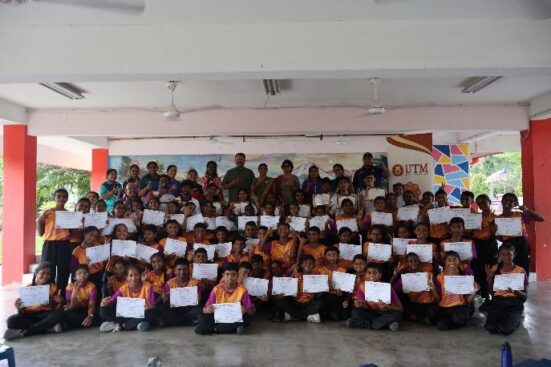
The programme concluded with a certificate presentation for participating students and facilitators, with Dr. Pritheega Magalingam, Senior Lecturer from the Faculty of Artificial Intelligence (FAI), UTM Kuala Lumpur, representing UTM. PMH also expressed its appreciation to Prof. Ts. Dr. Shreeshivadasan Chelliapan, Advisor of PMH UTM, for his leadership and moral support in guiding the initiative.
Prepared by: Dr. Pritheega Magalingam, Programme Advisor and Niveeshana Balachandran, PMH President
