
JOHOR BAHRU, Oct 29 – Universiti Teknologi Malaysia (UTM), under the Knowledge Transfer Program – Research Innovation Grant (KTP-RIG), has strengthened Science, Technology, Engineering and Mathematics (STEM) education at Sekolah Menengah Kebangsaan (SMK) Taman Universiti by introducing Google Teachable Machine as a practical Artificial Intelligence (AI) tool for learning.
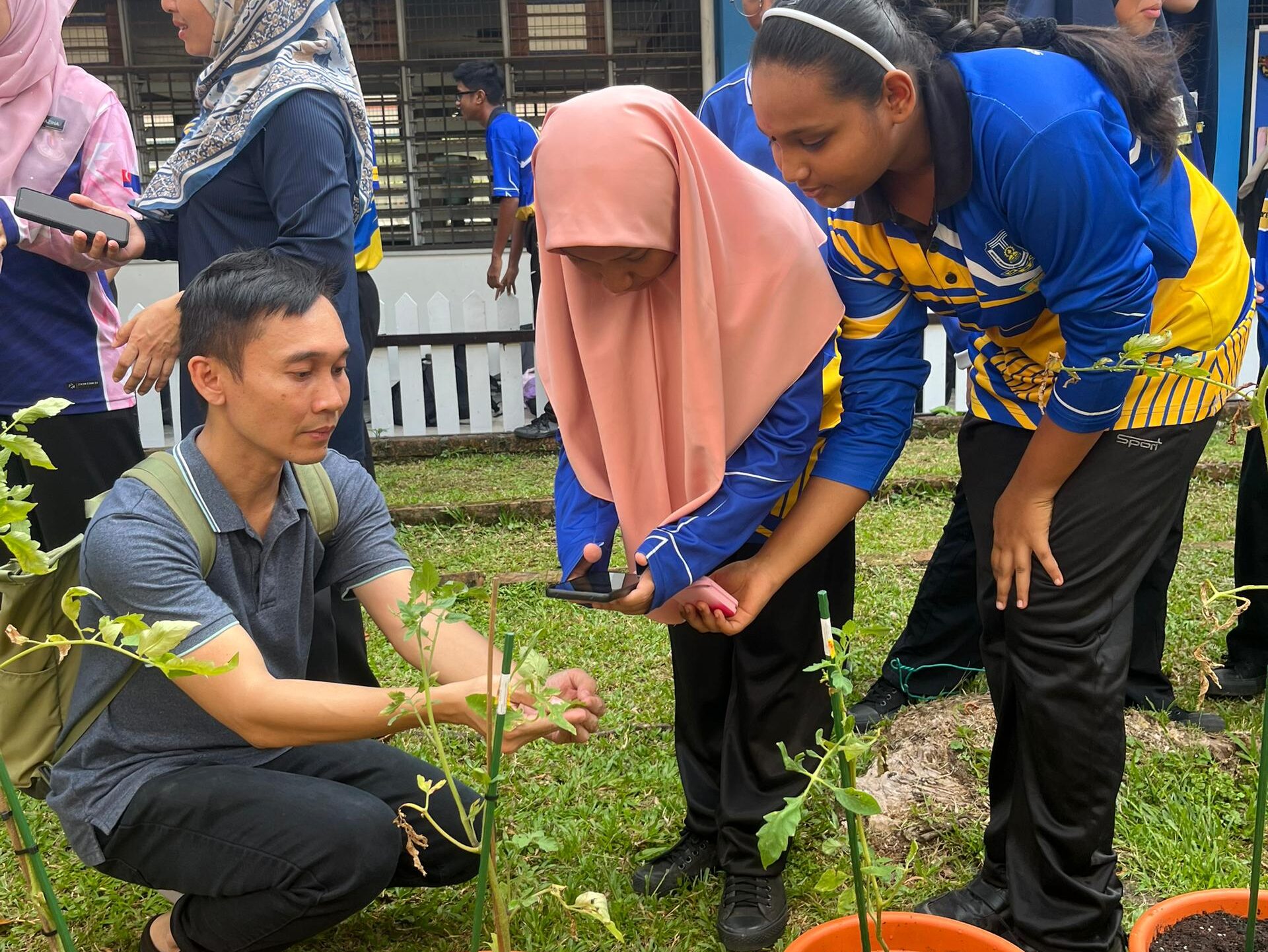
Guided by Associate Professor Ts. Dr. Nor Erne Nazira Bazin from the Faculty of Computing, teachers and students learned to develop a tomato disease detection model using leaf images showcasing how simple AI tools can support hands-on STEM activities and digital agriculture concepts. The program, titled “Pemindahan Teknologi AI Bagi Pengesanan Penyakit Tumbuhan”, supports the Malaysian Education Blueprint 2013–2025 by promoting digital literacy, inquiry-based learning, and 21st-century skills. Participants learned how to collect plant image data, train machine-learning models, and apply the AI model for real-time disease identification in the school’s Taman Sains.
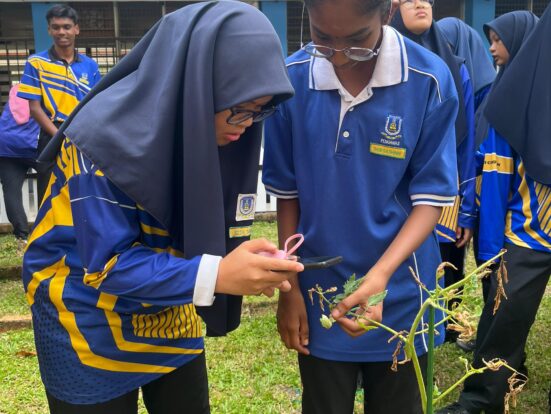
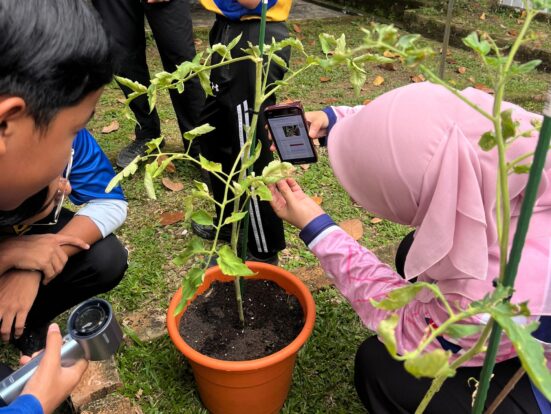
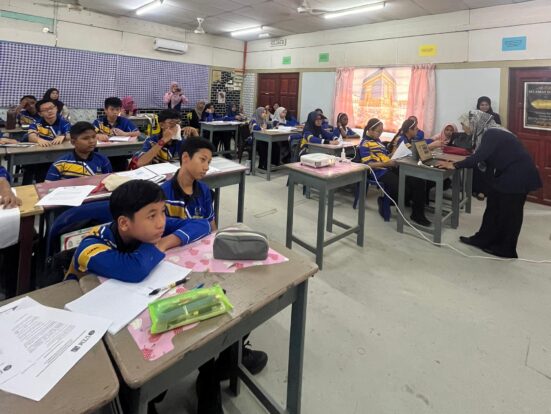
The workshop is part of the ongoing project “Pemindahan Teknologi AI Bagi Pengesanan Penyakit Tumbuhan”, aimed at enhancing STEM learning and strengthening AI literacy in schools. Participants learned how to gather leaf image data, train a machine-learning model, and apply the model to support real-time disease detection for tomato plants grown in the school’s Taman Sains.
Supporting the Malaysian Science & Biology Curriculum
The initiative introduces students to the practical use of AI in agriculture, reinforcing key concepts from Science and Biology while familiarising them with emerging digital agriculture technologies. At the same time, teachers gained new competencies in using AI tools such as Google Teachable Machine, which they can integrate into classroom activities, investigations, and project-based learning.
The project also aligns well with topics in the Malaysian Secondary School Standard Curriculum (KSSM) for Science and Biology. For lower secondary Science, the workshop enhanced students’ understanding of basic plant structures and scientific investigation through hands-on data collection and leaf image observation. For upper secondary Biology, students were able to connect classroom lessons such as plant organisation, physiology, and plant health to real examples encountered in the school garden.
By linking AI activities with existing syllabus content, the program enriches teaching and learning, offering teachers and students meaningful exposure to technology-enhanced STEM practices that support and reinforce curriculum objectives.
Knowledge Transfer That Empowers Teachers and Enhances STEM Teaching
A key component of this KTP-RIG project is the empowerment of teachers to confidently use AI tools as part of their teaching practice. Through hands-on activities, teachers learned how to prepare image datasets, train simple AI models, and apply digital tools to support the teaching of plant-related topics. These skills allow teachers to introduce real examples of digital agriculture in Science and Biology lessons, enriching inquiry-based learning and improving STEM engagement.
Associate Professor Ts. Dr. Nor Erne Nazira emphasized the importance of developing AI literacy among educators, “This program helps students understand how AI assists in solving real problems in agriculture. When students and teachers build their own AI model, they gain confidence and see the relevance of technology in everyday life.”
By strengthening teachers’ capacity to use AI as an instructional tool, the program supports project-based learning (PBL) and encourages higher-order thinking skills (HOTS) among students.
Real-Time Digital Agriculture Experience Through Field Data Collection
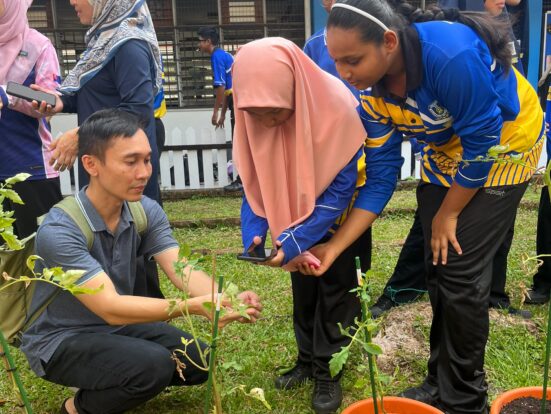
The workshop extended beyond the classroom with field-based activities in Taman Sains. Teachers and students collected tomato leaf images, prepared simple datasets, and tested their trained AI models directly on the plants, demonstrating how AI can complement scientific investigation. This blend of digital learning and outdoor investigation promotes environmental awareness, scientific inquiry, and applied STEM learning.
Long-Term Impact: Building Malaysia’s AI-Ready Generation
Expected long-term outcomes include increased digital competency among teachers, greater readiness to integrate AI in Science and Biology lessons, stronger student interest in STEM and biotechnology, development of classroom-ready AI learning modules and real agricultural datasets that support UTM’s ongoing research.
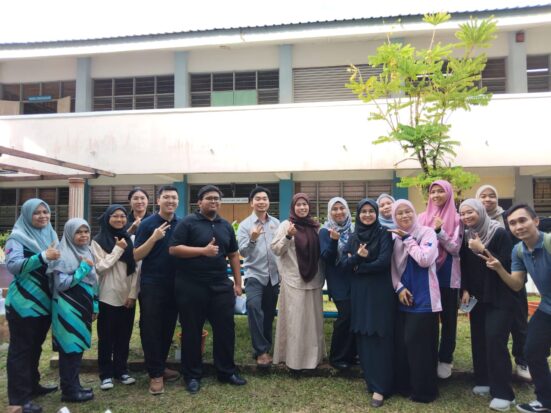
This initiative reinforces UTM’s role in community empowerment, digital innovation, and knowledge transfer contributing to Malaysia’s long-term goals in digital agriculture and STEM education.
